

The Hungry Hunters: Why Do Some Plants Eat Bugs?
 Sluvk
SluvkExplore the fascinating world of carnivorous plants in a soggy swamp! Discover how Venus Flytraps, Pitcher Plants, and Sundews have adapted to hunt insects for food, explaining their unique trapping mechanisms and why they need to eat bugs to survive.
 6 - 8 jaar oud
I am walking through a very wet, squishy swamp. The ground is like a giant sponge. I see moss, tall grass, and strange-looking flowers. But there is a problem here: the soil is very poor. It doesn't have enough "vitamin" food for the plants to grow big and strong.
Most plants get their food from the dirt and the sun. But these swamp plants had a clever idea. If they can't get enough vitamins from the ground, they will get them from the air! They decided to become carnivorous, which means they are meat-eaters.
I see a plant that looks like a tiny green mouth with long, pointy teeth. This is the Venus Flytrap. It is sitting very still, wide open, waiting for a visitor. It looks like it is yawning, but it is actually ready for a meal.
Why would a bug fly into a mouth? I lean in close. The plant smells like sweet nectar! To a fly, this smells like a delicious candy shop. The fly lands on the pink "tongue" of the plant, thinking it has found a treat.
I look at the surface of the trap. There are six tiny, hair-like triggers. If the fly touches just one hair, nothing happens. The plant is smart—it doesn't want to close for a raindrop or a piece of dust. But if the fly touches two hairs quickly... SNAP!
In less than a second, the two leaves slam shut! The pointy teeth lock together like the bars of a cage. The fly is trapped. The plant now turns into a "stomach" and begins to slowly turn the bug into liquid soup so it can drink the nutrients.
I move further into the swamp and find a plant that looks like a tall, elegant vase. This is the Pitcher Plant. It is filled with a little pool of water at the bottom. The top has a pretty "hood" to keep the rain out, like a little umbrella.
I watch an ant crawl onto the rim of the vase. The rim is very bright and smells like honey. But it is also as slippery as a slide covered in ice! The ant loses its grip and falls—Splash!—straight into the pool at the bottom.
The pool isn’t just water. It is a special "digestive juice." It breaks down the bug’s body so the plant can absorb the nitrogen it needs to stay healthy. The Pitcher Plant is like a deep, beautiful pitfall trap.
Next, I find a plant covered in tiny red hairs with glowing drops on the tips. This is the Sundew. In the sunlight, it looks like it is covered in expensive diamonds or morning dew. It is the most beautiful trap in the forest.
A gnat flies over and touches one of the "jewels." Oh no! It’s not dew; it’s the world’s stickiest glue. The more the gnat struggles, the more the long red hairs curl around it, hugging it tight. The Sundew is like a living piece of flypaper.
I look at these hungry plants and realize how amazing nature is. They found a way to survive in a place where other plants would give up. By being hunters, they keep the forest in balance and show us that even a flower can be a mighty warrior.
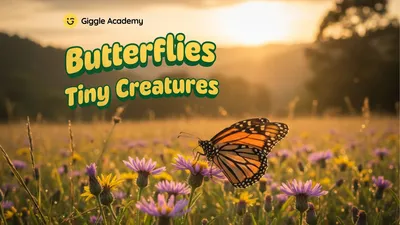 Butterflies
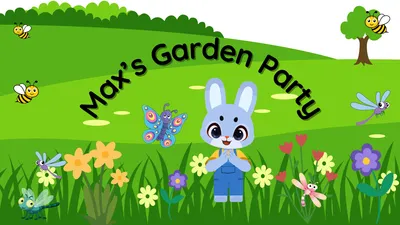 Max's Garden Party
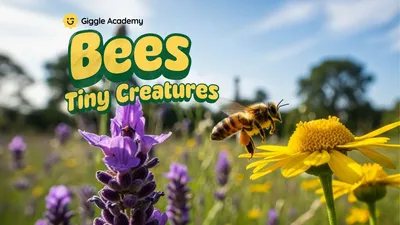 Bees
Bees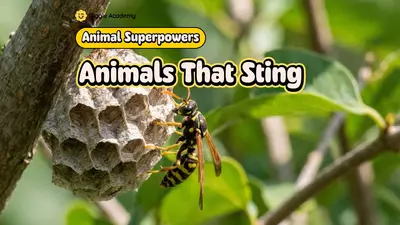 Animals That Sting
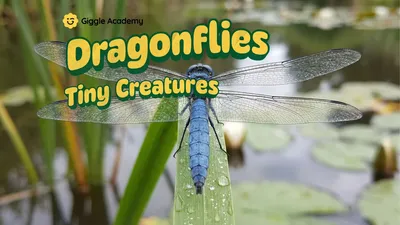 Dragonflies
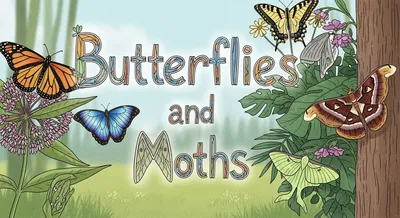 Butterflies and Moths
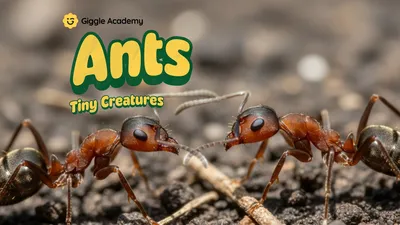 Bug Eyes: Ants
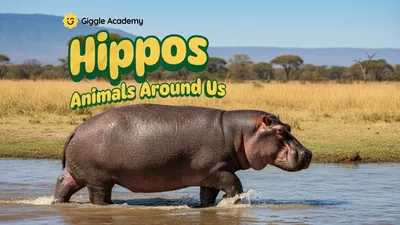 Hippos
 Animals That Dig
 Deep Sea Creatures
 Tree Frogs
Discover the amazing world of butterflies in this factual and wonder-filled reader. Learn about their colorful wings, unique feeding habits, incredible life cycle from egg to chrysalis, and the astonishing journeys some take across vast distances, all while helping flowers grow.
When Max notices fewer insects coming to his garden, he throws a party to encourage more to visit!
This is an informative story that introduces young readers to the fascinating world of bees. It covers where bees live, their physical characteristics, how they work in a hive, the process of making honey, and their importance to plants.
This book introduces young readers to various animals that sting, explaining why they sting and how it helps them survive. It covers bees, jellyfish, fireworms, rays, ants, and wasps.
Discover the incredible world of dragonflies! Learn about their unique ability to fly forward and backward, their big eyes, and how they transform from water nymphs to winged adults. A fascinating look at these amazing insects.
An informative and realistic exploration of butterflies and moths, highlighting their physical features, behaviors, habitats, and ecological importance. The story is written in clear, simple language suitable for young readers interested in nature and science.
This is an informative story about ants, detailing their physical characteristics, social structure, daily activities, and life cycle. Perfect for young readers curious about the natural world.
A factual and clear nonfiction book introducing young readers to hippos, their physical characteristics, habitat, and behaviors in a simple, direct manner.
Discover fascinating facts about animals that dig, from moles burrowing underground to crabs digging in the sand. Learn why digging is essential for their survival, providing shelter and helping them find food.
An informative and engaging introduction to the mysterious deep sea, exploring its unique environment and diverse creatures through clear, simple language suitable for young readers.
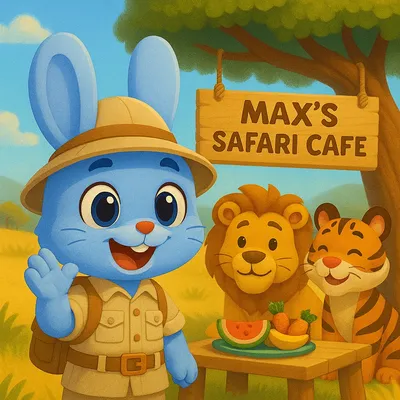
Max opens a cafe to cook lunch for his wild animal friends!
A documentary-style picture book introducing young readers to the basic characteristics and habitats of tree frogs, using simple, factual language.
© Kopiereg 2024 - Giggle Academy
上海吉咯教育科技有限公司
Kopiereg © 2026 - Giggle Academy