

The Moving Earth: How Mountains are Made
 Sluvk
SluvkExplore the fascinating process of how mountains are formed, from the movement of tectonic plates to volcanic activity and erosion, revealing that our seemingly solid Earth is constantly changing.
 6 - 10 jaar oud
I am looking at the Himalayas. The peaks are so high they touch the clouds and are covered in white, sparkly snow. They look like giant, sleeping stone kings. They seem so solid and still, but I know a secret: these mountains weren't always here. A long time ago, this land was flat, and some of it was even under the ocean!
I look at a map of the world. It looks like one big piece of land and water, but that is a disguise. I zoom in deep under the grass and the dirt. The Earth's surface is actually broken into giant pieces called Tectonic Plates. They fit together like the pieces of a massive, curved puzzle.
I look even deeper, beneath the plates. It is very hot down there! The plates are floating on a layer of rock that is so hot it acts like thick, gooey syrup or melted chocolate. Because they are floating, these giant plates are always sliding, turning, and bumping into each other.
How fast do they move? I look at my fingernails. Tectonic plates move about the same speed that your fingernails grow! It is very slow, but because the plates are so big and have been moving for millions of years, they can travel a very long way.
I watch what happens when two plates crash into each other. Imagine pushing two rugs together on a floor. The middle part will bunch up and create ridges. This is exactly how "Fold Mountains" are made. The Earth’s crust gets squeezed and pushed up, up, up into the sky.
I find something strange on top of a high mountain: a fossil of a sea snail! How did it get there? When the two plates crashed together, they pushed up the bottom of the ancient ocean. The mountain carried the old sea floor all the way to the clouds. It is like a history book made of stone.
I see a different kind of mountain—a Volcano. Sometimes, two plates pull apart, or one plate slides under another. This creates a hole where hot, melted rock called magma can escape. When the magma comes out, it cools down and turns into hard stone. Over many years, these layers of stone build up to make a mountain.
I dive under the ocean. Did you know the longest mountain range in the world is actually underwater? It is called the Mid-Ocean Ridge. It was made by volcanoes under the sea. Some of these mountains grow so tall that they poke their heads above the water and become islands, like Hawaii!
I look at the sharp, jagged edges of the mountain peaks. They weren't always that sharp. I see a giant "river" of ice called a Glacier sliding slowly down the mountainside. This ice is very heavy and has rocks stuck in it. It acts like giant sandpaper, carving out deep valleys and making the peaks look like dragon teeth.
I see rain, wind, and rushing rivers hitting the mountains. This is called Erosion. While the tectonic plates are pushing the mountains up, the wind and water are trying to wash them down. It is a never-ending battle between the inside of the Earth and the weather outside.
I check a special GPS tool on Mount Everest. I discover another secret: Mount Everest is still growing! Because the plates are still crashing together, the mountain gets about half an inch taller every year. If I come back in a thousand years, the mountain will be much higher than it is today.
I stand on a small hill and feel the solid ground. It’s amazing to think that the Earth is alive and moving beneath me. Mountains are like the Earth’s wrinkles, showing us how much the planet has moved and changed over time. Every rock has a story of a journey that took millions of years.
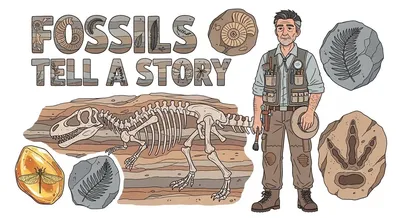 Fossils Tell a Story
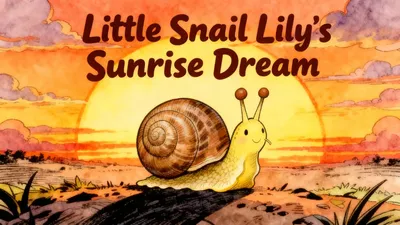 Little Snail Lily's Sunrise Dream
 Land Vehicles
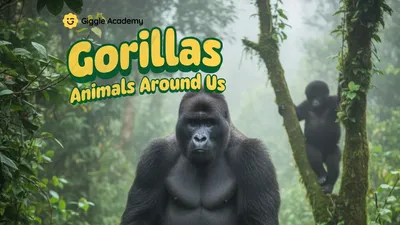 Gorillas
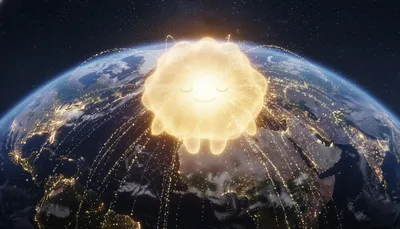 The Stardust Traveler's Earthly Lights
 Why Does Light Bend?
 Things That Change
 Move, Move, Move for Beginning Readers
 A Special Day
 Round Things in the World
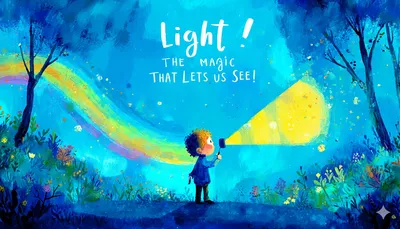 Light: The Magic That Lets Us See!
A Bright Adventure from the Sun to Earth
This nonfiction story introduces young readers to fossils and paleontology through clear, factual descriptions. It explains how fossils form, different types of fossils, and their importance in uncovering Earth's ancient past. The tone is educational and engaging, suitable for children beginning to explore natural science.
Little snail Lily wants to see the sunrise on the mountain top, but she crawls slower than a falling leaf! Luckily, Sam the groundhog’s “tunnel express”, Max the monkey’s “tree slide” and Lucy the bird’s “branch plane” help her. Can she catch the sunrise and make her dream come true? This warm light-chasing trip—come and see!
An early reader book designed to help young children recognize and name common vehicles. Each page features a clear illustration of a vehicle with a simple phrase, focusing on observation and vocabulary building.
A simple and factual introduction to gorillas, exploring their habitat, physical characteristics, and behaviors through clear and concise language, suitable for young readers.
A lonely stardust traveler discovers Earth’s gentle lights — guiding, joyful, and warm — all lit by people for one another. He transforms into a guardian star, forever watching over this planet where kindness shines brightest in the dark.
Light is like a magician! It zooms, bounces, and even bends. Join us on a bright adventure to discover the secrets of physics—from sunlight to lenses. This book is perfect for curious little scientists who love to ask 'Why?'
This simple and insightful story explores the concept of change through everyday examples, like seeds becoming plants and caterpillars turning into butterflies. It concludes with a comforting message about personal growth, making it perfect for young readers to learn about evolution and development.
An engaging non-fiction book that explores various ways humans can move their bodies, from walking and running to dancing, swimming, and climbing.
This story conveys the importance of environmental protection through a special birthday adventure. Issues like waste pollution, climate change, and ocean pollution affect every life on Earth. Through unity and cooperation, we can use wisdom and action to protect our home and make the Earth a better place.
This child-friendly nonfiction picture book invites early readers to discover 'round' shapes in everyday objects and scenes around them. Through calm, simple, and observational photography, children will learn to identify shared visual features across real-world examples, from the sun in the sky to a coin in their hand, and ultimately, the Earth itself.
A bright and joyful journey into the science of light! Kids discover how light shines, travels, and helps us see colors, shadows, and rainbows. Simple facts, gentle words, and warm illustrations make learning about light fun and full of wonder.
© Kopiereg 2024 - Giggle Academy
上海吉咯教育科技有限公司
Kopiereg © 2026 - Giggle Academy