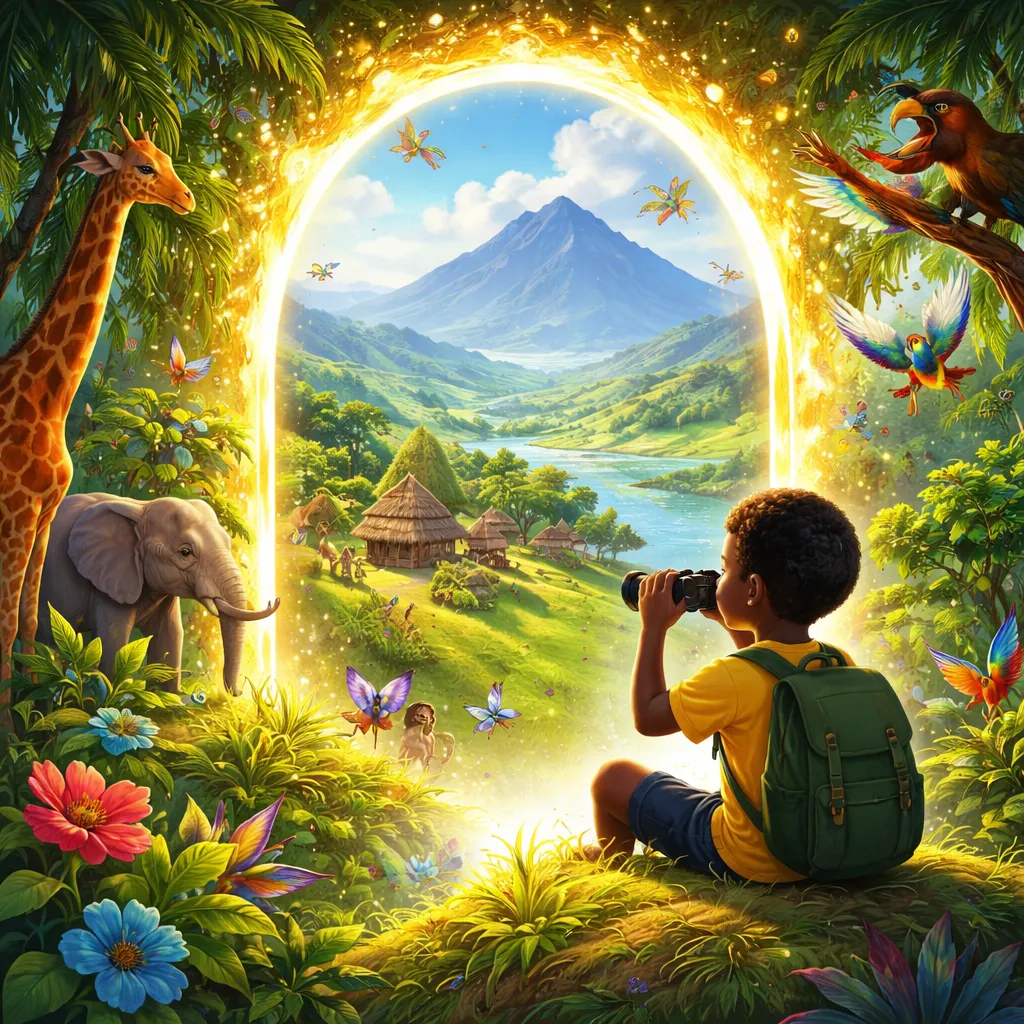

Introduction to Rwanda Rwanda is a small country in Africa. It has mountains, forests, and many animals. Children there learn to read and speak multiple languages. These include Kinyarwanda, English, French, and Swahili. Language learning reading: Rwanda offers a unique example. Kids in Rwanda read books in English at school. They also tell stories in their local language at home. This mix builds strong reading skills. Your child can learn from Rwanda’s example. Reading about other countries makes language learning exciting. It connects new words to real places. Rwanda shows that small nations can teach big lessons. Let us explore this amazing country together.
Where Is Rwanda? Rwanda sits in East Africa. It touches Uganda, Tanzania, Burundi, and Congo. You cannot find an ocean near Rwanda. Instead, you see hills and green land. People call it “the land of a thousand hills.” The capital city is Kigali. Kigali sits in the center of the country. Rwanda is small but full of life. Its size is about 26,000 square kilometers. That is smaller than Maryland in the United States. But Rwanda has many people. Over 13 million people live there. The country lies close to the equator. So the weather stays warm all year. But the high hills make it cooler at night. Language learning reading: Rwanda becomes easier when you see the map. Point to Rwanda on a globe. Then say the name out loud. This helps children remember.
Interesting Facts About Rwanda Rwanda protects nature very well. You can find mountain gorillas there. These gorillas live in Volcanoes National Park. Only a few places on Earth have these gorillas. Rwanda also has a special bird called the shoebill. It looks like a dinosaur. Another fact: Rwanda cleans its villages every month. People call this Umuganda. On the last Saturday of each month, everyone helps clean. This builds community pride. Rwanda also banned plastic bags. You cannot bring plastic bags into the country. This keeps the land beautiful. Children in Rwanda learn to care for their environment. They plant trees and save water. Language learning reading: Rwanda teaches us green habits. Your child can learn words like “gorilla,” “volcano,” and “recycle.” These words connect to real actions. Rwanda also has a king story. Before 1961, Rwanda had a king called the Mwami. Now it is a republic. But stories about kings and drums remain. Drums are very important in Rwandan music. Each fact gives you a new sentence to read.
Key Vocabulary About Rwanda Let us learn five important words.
First is “hill.” A hill is land that goes up. Rwanda has many hills.
Second is “gorilla.” A gorilla is a big, strong ape. It lives in forests.
Third is “drum.” A drum is a musical instrument. You hit it with your hands.
Fourth is “coffee.” Coffee is a drink. Rwanda grows tasty coffee beans.
Fifth is “community.” A community is a group of people. They help each other.
Language learning reading: Rwanda helps you use these words. Say each word three times. Then write them on paper. Draw a picture next to each word. For hill, draw a green mountain. For gorilla, draw a furry animal. For drum, draw a circle shape. For coffee, draw a small bean. For community, draw many stick figures together. These pictures make the words stay in your mind. Parents can ask: “What sound does a drum make?” Or “Where do gorillas sleep?” These questions build conversation. Vocabulary grows when you use words in daily life. Try to find these things in your town. A park hill or a drum in music class. Connect Rwanda to your own world.
The Famous People About Rwanda Rwanda has famous people your child can learn about. One is Paul Kagame. He is the president of Rwanda. He helped bring peace after a difficult time. Another famous person is Clarisse Iribagiza. She is a young woman who makes technology. She creates mobile phones and computers for children. Your child can see her as a role model. There is also a famous runner named Dieudonné Disi. He ran long races for Rwanda. He won medals in African games. In music, Jean-Paul Samputu sings traditional Rwandan songs. He won a Grammy award. These people show that Rwandans do great things. Language learning reading: Rwanda connects names to stories. Read each name slowly. Cl-a-risse. Die-u-don-né. Say them with your child. Then talk about what each person did. “What does Clarisse build?” “She builds technology.” “What does Dieudonné do?” “He runs fast.” These famous people make the country feel real. Your child can imagine meeting them. This makes reading fun and personal.
Simple Sentences for Reading Practice Here are easy sentences about Rwanda. Read each one aloud.
Rwanda has many hills.
I see a gorilla in the forest.
Children in Rwanda read books.
The drum makes a loud sound.
Coffee grows on green plants.
We help our community clean.
Kigali is the capital city.
Umuganda happens every month.
The shoebill bird is very tall.
Rwanda protects nature with laws.
Language learning reading: Rwanda gives you these ten sentences. Read them three times each. First, you read. Then your child repeats. Then your child reads alone. Point to each word as you read. Notice small words like “in” and “on.” Notice big words like “community” and “protects.” After reading, ask your child to act out one sentence. For sentence four, pretend to hit a drum. For sentence seven, point to a map. For sentence ten, pretend to pick up trash. Actions help memory. You can also change one word in each sentence. “Rwanda has many hills” becomes “My town has many hills.” This shows how sentences work. Your child builds confidence with small changes.
Short Reading Passage About Rwanda Read this passage together. It uses all the words we learned.
Rwanda is a small country in Africa. People call it the land of a thousand hills. In the hills, you can find mountain gorillas. These gorillas live in Volcanoes National Park. Rwandan children learn to read in English and Kinyarwanda. They also learn to care for their community. Every month, families join Umuganda. They clean streets and plant trees. Rwanda does not use plastic bags. This keeps the land green. The capital city Kigali looks very clean. Rwandans also grow coffee. They sell coffee to many countries. Music is important too. Drummers play at celebrations. Famous people like Clarisse Iribagiza build computers for kids. Runners like Dieudonné Disi make the country proud. Language learning reading: Rwanda shows that small places can teach big ideas. When you read about Rwanda, you learn new words. You learn about hills, gorillas, and drums. You learn about helping your community. Now close your eyes. Imagine you are walking on a green hill in Rwanda. What do you see? What do you hear?
This passage has 150 words. Read it slowly. Stop after each sentence. Ask your child to tell you what they remember. “What animals live in Rwanda?” “What is Umuganda?” “Who builds computers?” These questions check understanding. If your child does not know, read that part again. Reading together builds patience. It also builds a love for stories.
Fun Questions About Rwanda Use these questions to talk about Rwanda.
Why do people call Rwanda “the land of a thousand hills”?
What does a mountain gorilla look like?
How does Umuganda help the community?
Why did Rwanda ban plastic bags?
What sound does a Rwandan drum make?
Would you like to visit Volcanoes National Park? Why?
How is Kigali different from your city?
What job would you do in Rwanda? Farmer? Drummer? Runner?
How many languages do Rwandan children learn?
What can you do to help your own community?
Language learning reading: Rwanda makes these questions easy to answer. You do not need right or wrong answers. Just talk together. Parents can answer first. “I would like to see a gorilla because they are strong.” Then your child answers. Let them use new words. If they say “drum,” ask “What color is the drum?” Keep the conversation light. You can draw answers too. Draw a gorilla family. Draw a drum circle. Draw a clean street. Drawing uses a different part of the brain. It helps children remember words longer. Ask one question each day. By day ten, you will have a whole Rwanda story.
Tips for Learning English with This Topic Now let us make Rwanda part of your English learning routine. First, keep a Rwanda notebook. Write new words on the left page. Draw pictures on the right page. Review this notebook every morning. Second, listen to Rwandan music online. Search for “Rwandan drum music.” Clap or tap along. Say the word “drum” as you tap. Third, cook a Rwandan meal together. Look up “Rwandan beans and bananas.” This dish is common there. Say the food words out loud. “Beans.” “Bananas.” “Rice.” Fourth, watch a short video about mountain gorillas. Mute the sound. You and your child describe what you see. “The gorilla eats leaves.” “The baby gorilla climbs.” Fifth, write a letter to a pretend friend in Rwanda. Use your new words. “Dear friend, I like hills and drums. Do you like coffee?” This writing practice feels real. Language learning reading: Rwanda becomes a door. Each tip opens that door wider. Do one tip each week. Do not rush. Learning a language takes time. Rwanda rebuilt itself slowly after hard times. You can build your English skills the same way. One word. One sentence. One story at a time.
Your child will remember Rwanda. They will remember gorillas and drums and clean hills. But most importantly, they will remember reading with you. That shared moment makes language learning work. So keep reading. Keep asking questions. Keep drawing and cooking and clapping. Rwanda is far away, but its lessons live in your home today.