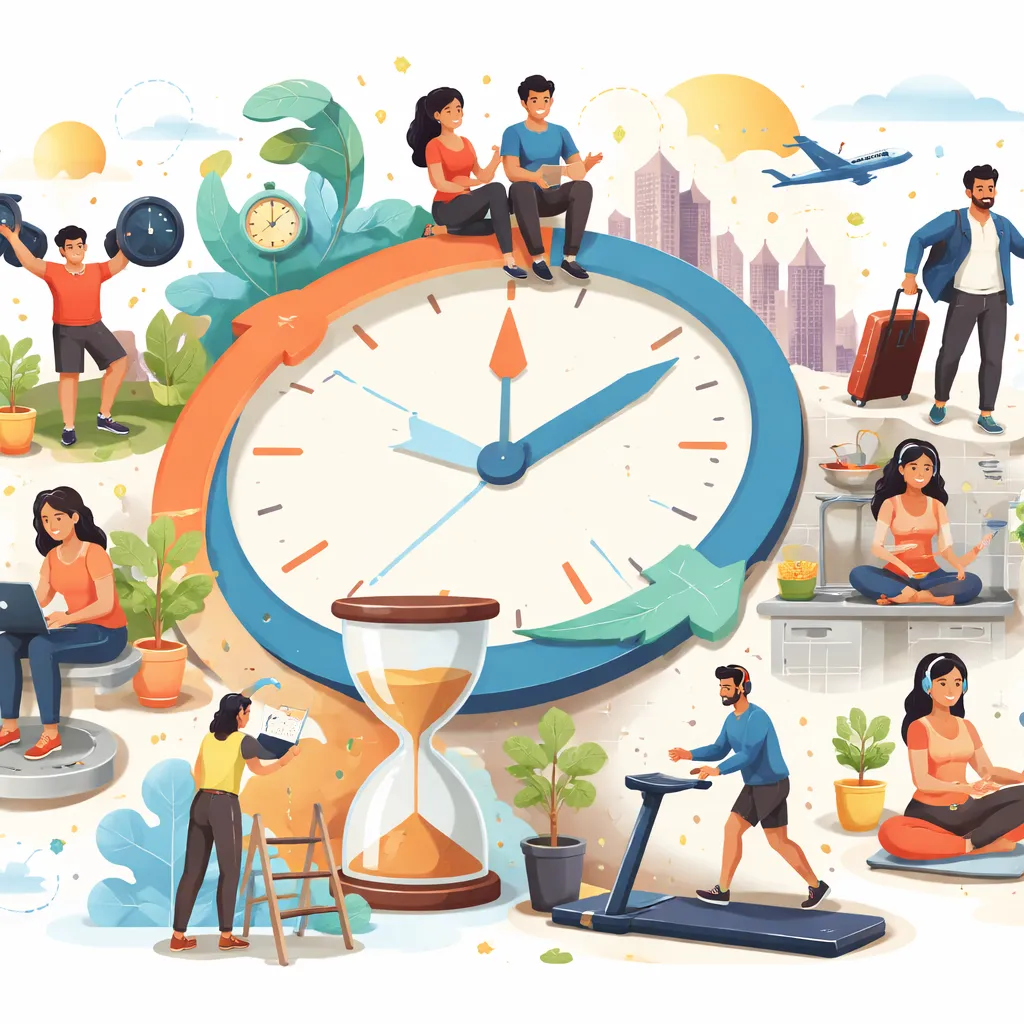

Hello, little time captain! Imagine it is your birthday next week. You will be blowing out candles. But think about this: by the time you blow them out, how long will you have been waiting for your party? A whole week! We have a special way to talk about how long an action will have been happening up to a certain time in the future. It is the future perfect continuous tense. It is like a special river that starts now and flows all the way to a point in the future. Today, we will learn about one hundred verbs in the future perfect continuous tense. Your guide is River the Raccoon. River loves to watch things flow for a long, long time. He will show you how actions flow at home, the playground, school, and the forest. Let's follow the river of time!
What Is the Future Perfect Continuous Tense? The future perfect continuous tense is a special verb form. It shows an action that starts before a time in the future and keeps going up to that time. We use it to say how long something will have been happening. Think of a sand timer. "By bedtime, I will have been playing for two hours." The playing starts now. It continues. At bedtime, we look back. The playing will have been going on for two hours. "By next month, the plant will have been growing for 30 days." The growing starts now. In a month, it will have been happening for 30 days. It is about the duration of an action up to a future point. We will explore one hundred verbs in the future perfect continuous tense.
Why Learn About Future Action Length? This tense helps you talk about the future length of activities. It helps your ears listen. You can understand how long someone plans to do something. "By noon, I will have been reading for an hour." It helps your mouth speak. You can tell others about your long future efforts. "I will have been practicing my song all week!" It helps your eyes read. You might see it in advanced stories. It helps your hand write. You can write about your future projects. Knowing the future perfect continuous tense lets you share your patient efforts.
How Can You Spot This Long Future River? Look for the long helper phrase: will have been. The full formula is: will have been + [verb-ing]. "I will have been playing. You will have been running."
Look for the length of time. Phrases like: for two hours, for a week, for ten minutes, all day, all year, since morning. "By 5 PM, I will have been drawing for an hour."
Look for the starting point. Sometimes we use 'since'. "By bedtime, I will have been waiting for you since 4 o'clock."
Ask: Will this action be ongoing for a period of time before a future moment? If yes, it might be this tense. "How long will you have been sleeping by 7 AM?" "I will have been sleeping for ten hours."
River shows us. "By dinnertime, I will have been building this tower for an hour." The helpers are 'will have been'. The verb is 'building' (with 'ing'). The time is 'by dinnertime'. The length is 'for an hour'. The building starts now, continues, and at dinnertime, it will have been going on for an hour. This is the future perfect continuous tense.
How Do We Build This Long River Sentence? We need the helpers 'will have been' (for everyone!) and the main verb with -ing. Let’s see the patterns.
For Positive Sentences (Saying how long): For I, you, he, she, it, we, they: [Person] + will have been + [verb-ing] + [length of time]. "I will have been sleeping for ten hours. He will have been running for five minutes. They will have been playing all day."
For Negative Sentences (Saying it will NOT have been happening): Use will not have been (won't have been) + verb-ing. "I will not have been waiting long. / I won't have been waiting long."
For Questions (Asking how long): Move 'will' to the front. Will + [person] + have been + verb-ing + [time]? "Will you have been painting for long? Will she have been studying all morning?"
Let’s Fix Some River Mistakes. Sometimes we miss a part of the river. Let’s fix it.
Forgetting the 'been'. "I will have playing for an hour." This is wrong. We need 'been' after 'have'. "I will have been playing for an hour."
Forgetting the 'ing' on the main verb. "I will have been play for an hour." The main verb must have 'ing'. "I will have been playing for an hour."
Using it for simple completed actions. "By 5 PM, I will have been finished my work." For a completed action, use future perfect: "I will have finished my work." For the ongoing activity leading to completion, use: "By 5 PM, I will have been working for two hours."
Confusing the time length. "I will have been playing at 3 PM." This misses the 'for' phrase. It should be: "By 4 PM, I will have been playing for one hour." Or "At 3 PM, I will be playing." (future continuous).
Can You Be a Duration Captain? You are great at this! Let’s play. I say: "By noon, I (read) for 30 minutes." The verb is 'read'. Add 'ing'? 'reading'. We need 'will have been'. "By noon, I will have been reading for 30 minutes." Good! Now, "By the time Dad comes home, I (practice) my piano since 4 o'clock." Verb? 'practice'. Add 'ing'? 'practicing'. "By the time Dad comes home, I will have been practicing my piano since 4 o'clock." Perfect! Ask a question: "Will you have been waiting long?" Excellent time-captaining!
River’s Long Flow List: 100 Common Verbs in Future Perfect Continuous. Here is a list of one hundred common action verbs. We will see them in the future perfect continuous tense. Remember: will have been + verb-ing.
Long Flows at Home: I will have been sleeping. / Mom will have been cooking. Dad will have been reading. / I will have been brushing my teeth. My sister will have been getting ready. / We will have been eating. The baby will have been crying. / The phone will have been ringing. I will have been watching a show. / He will have been working. She will have been talking. / They will have been cleaning. I will have been helping. / The dog will have been barking. The cat will have been chasing a toy. / I will have been drawing. My brother will have been playing. / We will have been listening. Grandpa will have been sitting. / The kettle will have been whistling. The water will have been running. / The clock will have been ticking.
Long Flows at the Playground: I will have been running. / She will have been jumping. He will have been climbing. / They will have been sliding. We will have been swinging. / The kids will have been laughing. A boy will have been kicking a ball. / A girl will have been catching. My friend will have been riding his bike. / Children will have been singing. We will have been playing tag. / They will have been building. I will have been drinking water. / The sun will have been shining. The wind will have been blowing. / Birds will have been chirping. Parents will have been watching. / A dog will have been digging.
Long Flows at School: The teacher will have been writing. / We will have been listening. I will have been raising my hand. / She will have been reading. He will have been writing. / They will have been coloring. We will have been learning. / The class will have been singing. My friend will have been sharing. / The bell will have been ringing. Children will have been lining up. / I will have been trying. The clock will have been showing the time. / Our teacher will have been smiling. We will have been working. / Someone will have been asking. I will have been thinking. / We will have been having fun.
Long Flows in Nature: The sun will have been rising. / Birds will have been chirping. A bee will have been buzzing. / Butterflies will have been flying. The river will have been flowing. / Leaves will have been falling. Rain will have been falling. / A flower will have been growing. The grass will have been getting wet. / A squirrel will have been climbing. A spider will have been making a web. / Fish will have been swimming. A rabbit will have been hopping. / A bird will have been building. Clouds will have been moving. / The moon will have been shining. Stars will have been twinkling. / A frog will have been jumping.
Examples in Your World with Time Lengths.
At Home (How Long by a Certain Time): "By 6 PM, I will have been playing with my blocks for an hour. Mom will have been cooking dinner for 30 minutes. Dad will have been fixing the chair since this afternoon. The dog will have been napping all day."
At the Playground (Duration Before Leaving): "By the time we go home, I will have been swinging for twenty minutes. My friend will have been sliding again and again. We will have been playing tag for a long time. The sun will have been shining on us all afternoon."
At School (Ongoing Action Up to a Point): "By lunchtime, we will have been learning new words for an hour. I will have been sitting at my desk all morning. Our teacher will have been reading stories to us. I will have been waiting for lunch since 11 o'clock!"
In Nature (Long Processes): "By next summer, this tree will have been growing for five years. By tomorrow morning, the sun will have been rising for many hours. The river will have been flowing to the sea for a very long time. By winter, the birds will have been flying south for weeks."
You Are a Master of Future Durations! You did it! You know that the future perfect continuous shows how long an action will have been happening up to a future point. You use 'will have been' plus a verb with 'ing'. It is like a river of action that flows to a future moment. River the Raccoon gives you a captain's hat. You have explored one hundred verbs in the future perfect continuous tense. You can now talk about the future length of your activities.
Here is what you learned from our river adventure. You know the future perfect continuous tense focuses on the duration of an action up to a future time. You can use it with 'for' and 'since' to show how long. You remember the formula: will have been + verb-ing. It helps you describe ongoing efforts and long processes.
Now, let’s do some life practice! Your mission is this evening. Think about your favorite activity. Tell someone how long you will have been doing it by a certain time. Say: "By 7 o'clock, I will have been drawing for 20 minutes." Or, "By my birthday, I will have been waiting for my party for a whole week!" Keep watching the river of time flow!