
What Is Articles: 'the' or no article?
Articles in English are small grammar words that help shape meaning in a sentence. The focus of this topic is understanding when to use “the” and when to use no article at all. This choice is one of the most subtle yet important parts of English grammar. It helps learners express whether something is specific or general, known or unknown, shared or not mentioned before.
“The” is called a definite article. It shows that both the speaker and the listener know what is being talked about. No article means the noun is general, abstract, or not specified. For example, “the water” refers to a specific water source, while “water” without an article refers to water in general.
Children often find this distinction confusing because many languages do not use articles in the same way. However, in English, this system is essential for clear communication. It allows speakers to guide attention and meaning in a very precise way.
When children learn this concept early, they begin to understand how English builds meaning through context rather than just vocabulary. This understanding becomes a foundation for reading comprehension and fluent speaking.
Rules of Articles: 'the' or no article
The rules for choosing between “the” and no article depend on meaning, context, and familiarity. One of the most important rules is specificity. When something is specific or already known, we use “the.” When something is general or not identified, we use no article.
We use “the” when both the speaker and listener know what is being discussed. For example, “the book on the table” refers to a particular book that both people can identify. Without context, “book on table” would be incomplete in English.
We use no article when talking about general concepts. For example, “children need love” does not refer to specific children or specific love. It refers to the idea in general.
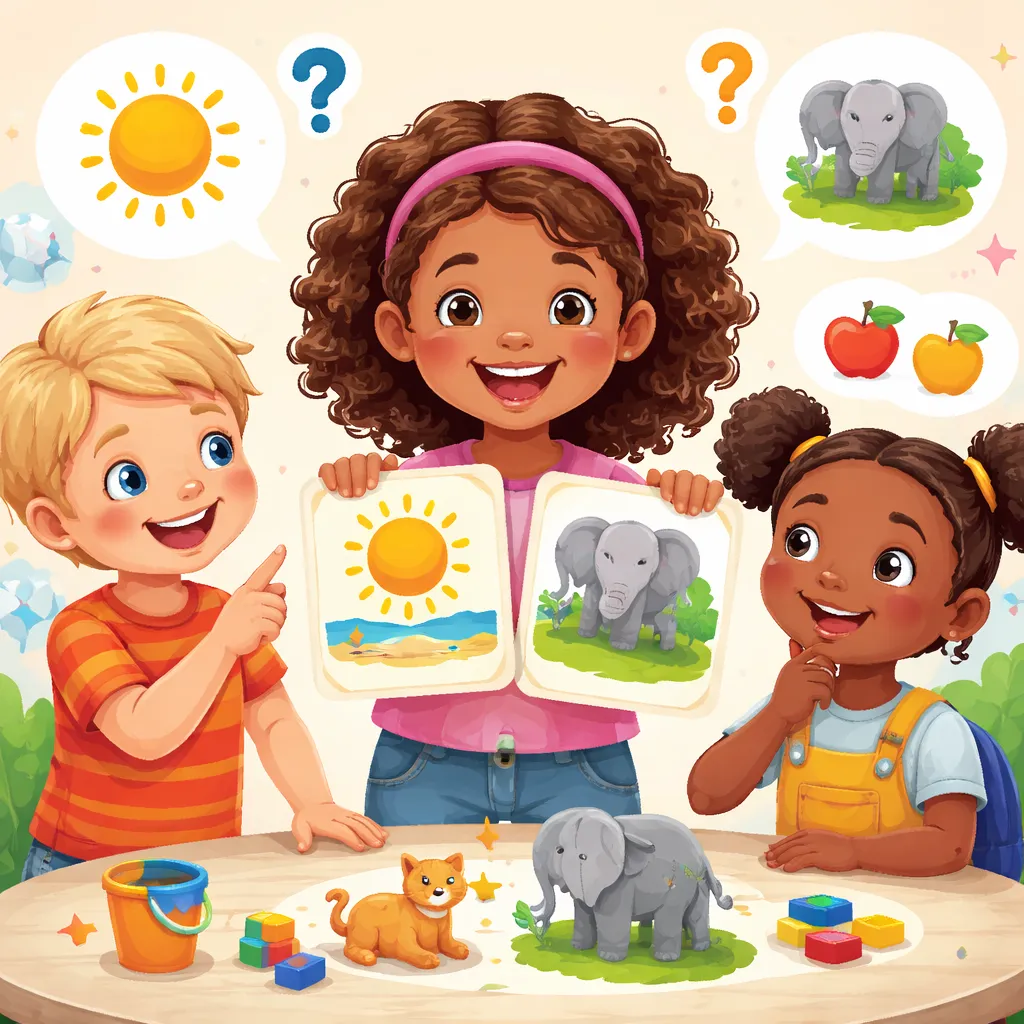
We also use “the” for unique things in the world. For example, “the sun,” “the moon,” and “the internet” are considered unique or widely recognized systems.
No article is often used with plural nouns and uncountable nouns when speaking generally. For example, “cats are friendly animals” and “milk is healthy” both use no article because they refer to general categories.
Another important rule is first and second mention. When something is mentioned for the first time, we often use no article or “a/an.” When it is mentioned again, we switch to “the” because it becomes known in context.
How to Use Articles: 'the' or no article
Using “the” or no article correctly depends on how information is shared in communication. When introducing a new idea, English often uses no article or an indefinite form. When referring back to that idea, “the” becomes necessary.
For example, a child might say “I saw a dog in the park.” This introduces a new subject. Later, the child might continue, “The dog was very friendly.” Now the dog is known in the conversation, so “the” is used.
This pattern helps create smooth storytelling and clear communication. It allows listeners to follow the flow of information without confusion.
In daily life, this structure appears constantly. A parent might say “I bought bread,” and later refer to “the bread on the table.” A teacher might mention “students in the classroom,” and then say “the students are working quietly.”
No article is often used when talking about general truths. For example, “birds can fly” does not refer to specific birds but to birds in general. Similarly, “music helps people relax” uses no article because it expresses a universal idea.
Children learn this naturally when they are exposed to repeated language patterns. The key is not memorizing rules but noticing how meaning changes depending on article use.
Examples of Articles: 'the' or no article
Examples help children see how grammar works in real communication. When learners observe sentences in context, they begin to understand the difference between specific and general meaning.
For instance, “the water in this bottle is cold” refers to a specific water source. In contrast, “water is important for health” refers to water in general without a specific context.
Another example is “the teacher explained the lesson.” This refers to a specific teacher and a specific lesson. But “teachers help students learn” refers to teachers in general, so no article is used.
In daily life, children encounter these patterns often. “The sun is shining today” refers to one known sun. “Sunlight gives energy” refers to a general concept without an article.
Storytelling is especially effective for illustrating this concept. A story might begin with “a girl found a key.” Later, it becomes “the key opened a door.” This shows how language shifts from introduction to identification.
Even simple classroom sentences follow this pattern. “A student asked a question. The question was difficult. The teacher answered the question.” Each sentence builds on the previous one using article changes.
Through repeated exposure, children begin to recognize these patterns naturally without needing to consciously analyze grammar rules.
Common Mistakes
Children learning the difference between “the” and no article often make predictable mistakes. These mistakes are natural and part of the learning process.
One common mistake is overusing “the.” Many learners think every noun needs “the,” leading to sentences like “the water is important for the life.” In correct English, we say “water is important for life” because both nouns are general.
Another frequent mistake is forgetting “the” when it is needed. For example, saying “I went to store” instead of “I went to the store.” In this case, the listener expects a specific place.
Learners also struggle with abstract nouns. Words like “happiness,” “information,” and “advice” often do not require an article, but children may incorrectly add “the” before them.
Confusion also happens with plural nouns. Children may say “the cats are animals” when they actually mean “cats are animals” in a general sense.
Another mistake is using no article when specificity is required. For example, “I like book on table” should be “I like the book on the table” because it refers to a specific book.
These mistakes gradually decrease as children hear more natural English. Consistent exposure helps them develop intuition for correct usage.
Comparison (if needed)
Understanding the difference between “the” and no article becomes easier when we compare them side by side.
“The” always refers to something specific. It narrows meaning and points to a known object or idea. No article refers to something general, broad, or undefined.
For example, “the dogs in my street are loud” refers to specific dogs in a specific place. “Dogs are loyal animals” refers to all dogs in general.
“The water in this glass is cold” refers to a specific glass. “Water is essential for life” refers to water in general without limitation.
“The” helps identify. No article helps generalize. This is the core difference between the two forms.
Another comparison is that “the” depends on shared understanding between speaker and listener. No article does not require shared knowledge because it refers to general truths.
Children benefit from seeing these comparisons in real contexts rather than isolated rules. Patterns become clearer when they are connected to meaning.
Practice Exercises
Practice helps children strengthen their understanding of when to use “the” and when to use no article. The following sentences help learners focus on meaning and context.
Fill in the blanks with “the” or leave blank for no article:
___ water in the glass is cold. ___ water is important for health. I like ___ music in this movie. ___ music can change mood. She opened ___ door slowly. ___ doors in this building are old. He read ___ book you gave him. ___ books are useful for learning. We visited ___ park near our home. ___ parks are good for children.
These exercises help learners think about whether the noun is specific or general. This decision-making process is the key to mastering articles.
Answers and Explanations the water – specific water in a glass. water – general concept of water. the music – specific music in a movie. music – general idea of music. the door – a specific door being referred to. the doors – specific doors in a building. the book – a specific book previously mentioned or known. books – general statement about books. the park – a specific park near home. parks – general idea about parks.
Each answer depends on whether the noun is specific or general. Understanding this logic is more important than memorizing answers.
Learning Tips
Children learn the difference between “the” and no article most effectively through natural exposure rather than direct memorization. When language is experienced in meaningful situations, grammar becomes intuitive.
Reading stories regularly helps children see how articles function in context. Stories naturally repeat nouns, which helps learners notice when “the” is used and when it is not.
Parents can support learning by gently emphasizing articles during conversation and reading. Highlighting phrases like “the dog” or “water is” helps children recognize patterns without pressure.
Everyday conversation is also powerful. Describing surroundings naturally builds awareness. Saying “the table is clean” versus “tables are useful” helps children hear the difference between specific and general meaning.
Visual learning strengthens understanding. Pointing to objects and naming them in different ways helps connect language to real-world meaning. For example, pointing to a cup and saying “the cup is full” versus “cups are used for drinking.”
Mistakes should be corrected calmly and consistently. Encouragement helps children stay confident, which is essential for long-term language development.
Over time, children begin to use articles correctly without thinking about rules. They rely on patterns, context, and natural understanding. This shift from conscious learning to automatic usage is the goal of grammar development.
English articles may seem small, but they carry deep meaning. Mastering “the” and no article allows children to express ideas clearly, understand texts more easily, and communicate with greater confidence in everyday English.