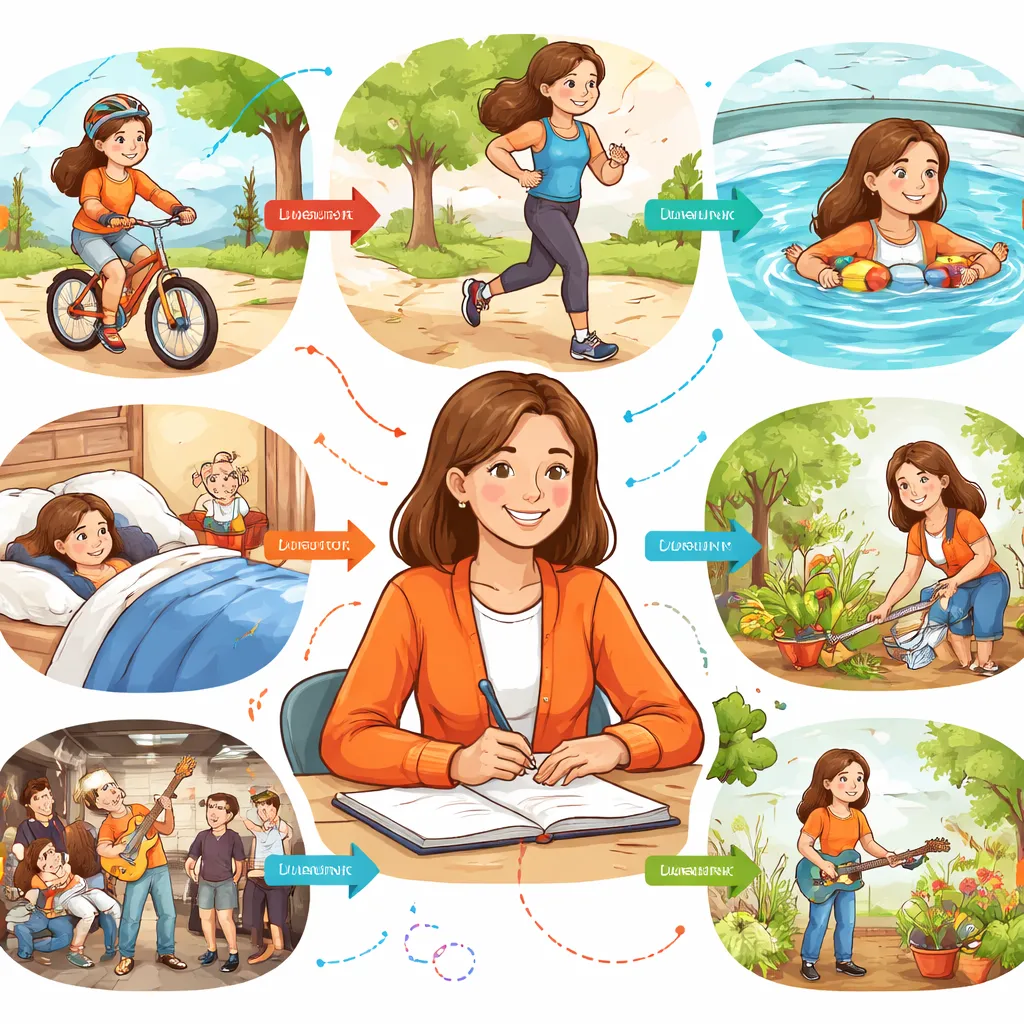

What Is "Used To"?
In English, 'used to' is a versatile phrase that helps express past habits, repeated actions, or states. It shows that something was true in the past but is no longer the case in the present. Children learning English will frequently encounter this structure as they talk about things they did regularly, things that were true in the past, or things they were accustomed to doing.
"Used to" can describe various types of situations:
Past habits: Actions or behaviors that were regular in the past but no longer happen. Past states: Things that were true at some point in the past but have since changed. Negative or question forms: These help in questioning or negating past habits or situations.
Understanding the different uses of 'used to' helps in forming sentences that reflect how things were in the past, which is essential for effective communication in English.
Rules of "Used To"
The structure of 'used to' is fairly simple, but it is essential to know how to use it correctly in different situations. Here’s how 'used to' works:
Affirmative Form: Subject + used to + base verb Example: She used to play soccer every weekend. Negative Form: Subject + didn't + use to + base verb Example: He didn't use to like vegetables when he was younger. Question Form: Did + subject + use to + base verb? Example: Did you use to live in that house?
Note that in the negative and question forms, 'used to' changes to 'use to' after the auxiliary verb 'did'. This can be a source of confusion, but it is essential to get the right form.
How to Use "Used To" Using "Used To" for Past Habits
The most common use of 'used to' is to describe actions or habits that were repeated regularly in the past but no longer happen. This is a great way for children to talk about things they did when they were younger or things they did frequently but stopped doing.
For example:
I used to go to the park every Sunday. When I was a child, I used to play with my friends after school.
These sentences tell us that these activities were once regular but are no longer part of the speaker's life.
Using "Used To" for Past States
'Used to' can also describe states or situations that were true in the past but are not true now. This allows speakers to talk about how things were, even though they have changed. This usage is less about actions and more about situations or characteristics.
For example:
He used to be very shy, but now he’s more confident. We used to live in a small town before we moved to the city.
In these examples, 'used to' highlights a state or condition that was true in the past but has changed over time.
Negative Form of "Used To"
The negative form of 'used to' helps us express that something did not happen regularly or was not true in the past. This is formed by using 'didn't use to' instead of 'used to' in the affirmative form.
For example:
I didn't use to like spinach, but now I love it. She didn't use to enjoy reading, but now she reads every night.
In these cases, the speaker is telling us that in the past, they did not have a habit or belief that they now have.
Question Form of "Used To"
When forming a question, 'used to' changes to 'use to' after 'did'. This structure allows us to ask about past habits, states, or actions.
For example:
Did you use to play video games after school? Did they use to go on family vacations every year?
In both cases, the speaker is inquiring about something that was true in the past but may not be the case now.
Examples of "Used To" Affirmative Examples I used to wake up early every day when I was younger. She used to play the piano for hours every week. We used to visit our grandparents every summer. Negative Examples I didn't use to like math, but now I find it interesting. He didn't use to drink coffee, but now he drinks it every morning. They didn't use to travel abroad, but now they go every year. Question Examples Did you use to have a pet when you were a child? Did she use to live in that neighborhood? Did they use to play soccer together? Common Mistakes with "Used To"
While using 'used to' may seem straightforward, there are a few common mistakes that learners, especially children, often make. Understanding and avoiding these mistakes can help ensure proper usage.
Incorrect use of 'used to' with the auxiliary verb 'did': Incorrect: Did you used to go there? Correct: Did you use to go there? Using 'used to' with present tense: Incorrect: I used to go to the park every day, but I use to go there now. Correct: I used to go to the park every day, but I go there now. 'Used to' should only describe past actions. If the action is happening in the present, use the simple present tense instead. Confusing 'used to' with 'usually': Incorrect: I used to go to school by bus every day (when referring to a present, regular action). Correct: I usually go to school by bus every day. Using 'used to' for actions that may still happen: Incorrect: I used to go to the cinema on weekends (but still do). Correct: I go to the cinema on weekends. Comparison: 'Used To' vs. 'Would' vs. 'Be Used To'
Although 'used to' is often used to describe past actions or states, there are other ways to talk about past routines or experiences. Two common alternatives are 'would' and 'be used to'.
'Would': Like 'used to', 'would' can describe repeated actions in the past. However, 'would' is not used for past states (only actions). Example: When we were kids, we would play outside every day. 'Be used to': This expression is different from 'used to' because it describes a state of being familiar with something, not necessarily a past action or habit. Example: I am used to waking up early now, but it was difficult when I first started. Practice Exercises for "Used To" Fill in the blanks: I __________ (play) soccer every weekend when I was younger. She __________ (not like) vegetables, but now she enjoys them. __________ you __________ (live) in the city before you moved here? Rewrite the sentences using "used to": I drank milk every morning when I was a child. We didn't travel much when I was younger. Choose the correct form: I used to/ use to go to the library every week. She used to/ use to love chocolate, but now she prefers cake. Answers and Explanations Exercise 1: Fill in the blanks I used to play soccer every weekend when I was younger. She didn't use to like vegetables, but now she enjoys them. Did you use to live in the city before you moved here? Exercise 2: Rewrite the sentences using "used to" I used to drink milk every morning when I was a child. We didn't use to travel much when I was younger. Exercise 3: Choose the correct form I used to go to the library every week. She used to love chocolate, but now she prefers cake. Learning Tips for "Used To" Use Real-Life Examples: Encourage children to make sentences using 'used to' about their own past habits and experiences. Practice with Flashcards: Create flashcards with 'used to' sentences and ask children to guess whether the sentence describes an action or state. Use "Used To" in Storytelling: Ask children to tell short stories about their past, incorporating 'used to' to describe their past habits and states.
By understanding the different uses of 'used to', children can become more confident in describing the past. Practicing these sentences will help them form clearer, more expressive statements about their personal history and experiences.