
Original Poem:
“Hope” is the thing with feathers -
That perches in the soul -
And sings the tune without the words -
And never stops - at all -
And sweetest - in the Gale - is heard -
And sore must be the storm -
That could abash the little Bird
That kept so many warm -
I’ve heard it in the chillest land -
And on the strangest Sea -
Yet - never - in Extremity,
It asked a crumb - of me.
Introduction and Explanation of the Poem
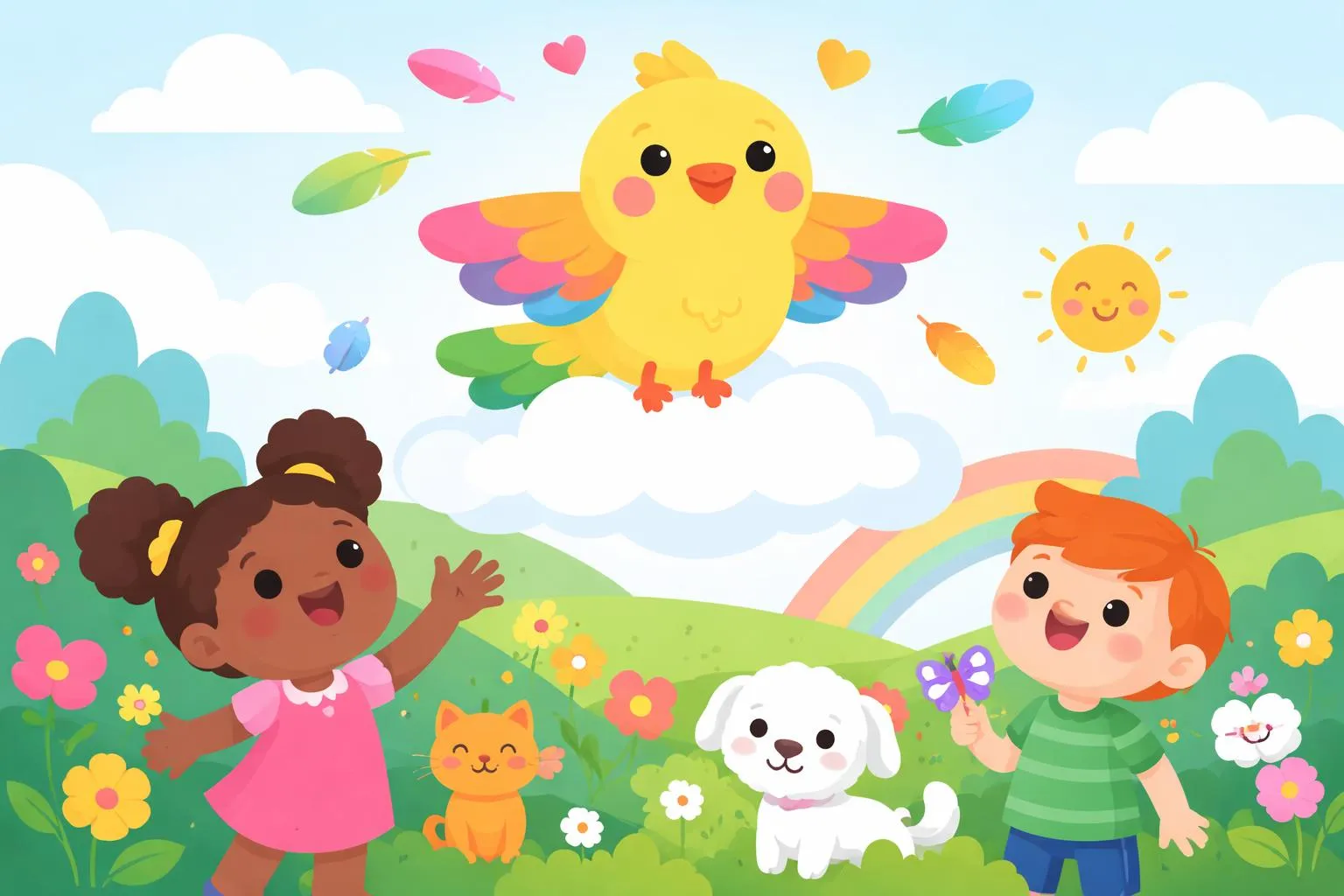
Emily Dickinson’s poem, “Hope” is the thing with feathers, beautifully captures the essence of hope as an enduring and uplifting force within the human spirit. The poem uses the metaphor of a bird with feathers to symbolize hope, suggesting that hope perches in the soul and continuously sings a wordless tune. This tune represents the persistent and comforting presence of hope, which never ceases, even in the darkest or most challenging times.
The poem emphasizes that hope is most sweetly heard during the stormiest moments—the "Gale"—highlighting how hope offers warmth and encouragement when life is toughest. Dickinson suggests that only a very severe storm could silence this hopeful bird, but despite harsh conditions, it remains resilient. The speaker has experienced hope even in the coldest and most unfamiliar places, yet hope never demands anything in return—it is selfless and freely given.
Background and Author Introduction
Emily Dickinson (1830–1886) was an American poet known for her unique style and profound exploration of themes such as death, immortality, nature, and inner emotions. Living much of her life in reclusive isolation, Dickinson’s poetry often reflects deep introspection and a keen observation of the human condition.
This poem was written during a period when Dickinson was exploring abstract concepts through vivid imagery and metaphor. The bird as hope metaphor is one of her most famous and enduring images, symbolizing the intangible yet powerful presence of hope in human life. Dickinson’s work was largely unpublished during her lifetime, but she is now recognized as one of the most important figures in American poetry.
Interpretation and Appreciation
The poem’s structure is simple yet profound, with short lines and a rhythmic flow that mimics the continuous song of the hopeful bird. The use of dashes creates pauses that invite readers to reflect on each image and idea. The bird’s song is described as “without the words”, which suggests that hope is a feeling or intuition rather than something that can be easily articulated.
Dickinson’s choice to describe hope as a bird that “never stops” singing implies that hope is constant and unwavering. It is not dependent on external circumstances but is an internal force that sustains people through adversity. The poem also conveys a sense of gratitude and wonder, as the speaker acknowledges hope’s generosity in never asking for anything in return.
Lessons and Learning Points for Children and Students
This poem offers several valuable lessons for children and students:
- Understanding abstract concepts: The poem helps learners grasp the idea of hope as an invisible but powerful feeling.
- Use of metaphor: Students can learn how poets use metaphors to convey complex emotions and ideas.
- Resilience and positivity: The poem encourages maintaining hope even during difficult times, teaching emotional strength.
- Appreciation of poetry form: The poem’s rhythm, structure, and punctuation provide examples of poetic techniques.
In life and learning, hope can inspire perseverance when facing challenges such as exams, personal struggles, or changes. Recognizing hope as a constant inner resource helps build confidence and emotional well-being.
Practical Applications and Inspirations
- In education: Teachers can use this poem to discuss emotional intelligence and coping strategies.
- In daily life: Children can remember the image of the hopeful bird when feeling discouraged.
- In creative writing: Students can try writing their own poems using metaphors to express feelings.
Reading Comprehension Questions
- What does the bird symbolize in the poem?
- How does the poem describe the way hope behaves during difficult times?
- Why does the speaker say hope “never asked a crumb” of them?
- What literary device is used when hope is compared to a bird?
- How does the poem make you feel about the idea of hope?
Answers
- The bird symbolizes hope.
- Hope sings continuously and is strongest during storms or difficult times.
- Because hope is selfless and does not demand anything in return.
- The poem uses a metaphor.
- (Open-ended) The poem may make readers feel comforted, inspired, or encouraged by the idea that hope is always present and supportive.
This timeless poem by Emily Dickinson reminds us that hope is a gentle yet powerful force that lives within us all, ready to uplift and sustain us no matter the circumstances.














