
Original Poem:
All the Sioux were defeated. Our clan
got poor, but a few got richer.
They fought two wars. I did not
take part. No one remembers your vision
or even your real name. Now
the children go to town and like
loud music. I married a Christian.
Crazy Horse, it is not fair
to hide a new vision from you.
In our schools we are learning
to take aim when we talk, and we have
found out our enemies. They shift when
words do; they even change and hide
in every person. A teacher here says
hurt or scorned people are places
where real enemies hide. He says
we should not hurt or scorn anyone,
but help them. And I will tell you
in a brave way, the way Crazy Horse
talked: that teacher is right.
I will tell you a strange thing:
at the rodeo, close to the grandstand,
I saw a farm lady scared by a blown
piece of paper; and at that place
horses and policemen were no longer
frightening, but suffering faces were,
and the hunched-over backs of the old.
Crazy Horse, tell me if I am right:
these are the things we thought we were
doing something about.
In your life you saw many strange things,
and I will tell you another: now I salute
the white man’s flag. But when I salute
I hold my hand alertly on the heartbeat
and remember all of us and how we depend
on a steady pulse together. There are those
who salute because they fear other flags
or mean to use ours to chase them:
I must not allow my part of saluting
to mean this. All of our promises,
our generous sayings to each other, our
honorable intentions—those I affirm
when I salute. At these times it is like
shutting my eyes and joining a religious
colony at prayer in the gray dawn
in the deep aisles of a church.
Now I have told you about new times.
Yes, I know others will report
different things. They have been caught
by weak ways. I tell you straight
the way it is now, and it is our way,
the way we were trying to find.
The chokecherries along our valley
still bear a bright fruit. There is good
pottery clay north of here. I remember
our old places. When I pass the Musselshell
I run my hand along those old grooves in the rock.
Analysis and Interpretation of the Poem
This poem reflects on the historical and cultural struggles of the Sioux people, particularly focusing on the aftermath of their defeat and the changes experienced by their community. The speaker acknowledges the loss and hardship faced by their clan, the wars fought, and the fading memory of important figures like Crazy Horse, a legendary Sioux leader. The poem contrasts the past and present, highlighting how traditions and visions have been overshadowed by modern influences such as Christianity, urban life, and loud music favored by the younger generation.
The poem also explores themes of identity, resilience, and reconciliation. It reveals a profound awareness of internal and external conflicts, suggesting that enemies are not always obvious but can hide within individuals, especially those who are hurt or scorned. The speaker emphasizes the importance of empathy and healing rather than perpetuating harm. This message is conveyed through the metaphor of learning to "take aim when we talk," indicating a careful and intentional approach to communication.
The salute to the "white man’s flag" symbolizes a complex relationship with the dominant culture. The speaker respects the flag but holds a personal, heartfelt connection to their heritage and community, affirming promises and honorable intentions. This act is likened to a spiritual ritual, showing a deep reverence for unity and shared humanity despite historical wounds.
The poem closes with a nostalgic remembrance of the land and natural resources, such as chokecherries and pottery clay, grounding the speaker’s identity in their ancestral environment. The imagery of running a hand along old grooves in the rock evokes a tactile connection to history and tradition.
Background and Author Introduction
This poem is inspired by the history of the Sioux Nation and the legacy of Crazy Horse, a revered Native American leader who resisted U.S. government forces in the 19th century. The author, though not explicitly named here, writes from a perspective deeply rooted in Native American experience, blending historical reflection with contemporary realities. The poem likely emerges from a context of cultural preservation and education, aiming to bridge past and present while fostering understanding and respect.
Educational Value and Learning Points
Students and children can learn several important lessons from this poem:
- Historical Awareness: Understanding the impact of colonization and war on Indigenous peoples, especially the Sioux, and recognizing the significance of leaders like Crazy Horse.
- Cultural Identity: Appreciating the importance of heritage, traditions, and the connection to land.
- Empathy and Conflict Resolution: Learning that enemies can be hidden in pain and misunderstanding, and that kindness and support are essential in healing divisions.
- Critical Thinking: Reflecting on the symbolism of the flag salute and what it means to honor one’s culture while engaging with broader society.
- Language and Expression: Noticing how poetry uses metaphor and imagery to convey complex emotions and ideas.
Practical Applications
- In classroom discussions, this poem can prompt conversations about history, cultural diversity, and social justice.
- It can be used in language arts to analyze poetic devices such as metaphor, symbolism, and tone.
- The poem encourages emotional intelligence, helping students recognize the importance of empathy in interpersonal relationships.
- It can inspire art projects related to Native American culture, history, and environmental awareness.
- The poem’s themes can be linked to current social issues, fostering awareness of ongoing struggles for Indigenous rights.
Reading Comprehension Questions
- Who is Crazy Horse, and why is he important in the poem?
- What does the speaker mean by saying "we are learning to take aim when we talk"?
- How does the poem describe the current generation of children compared to the past?
- What is the significance of the salute to the white man’s flag in the poem?
- What message does the teacher in the poem give about enemies?
- How does the poem connect the speaker’s identity to the land?
- What emotions does the poem evoke when describing the rodeo scene?
- Why does the speaker say it is not fair to hide a new vision from Crazy Horse?
Answers to the Questions
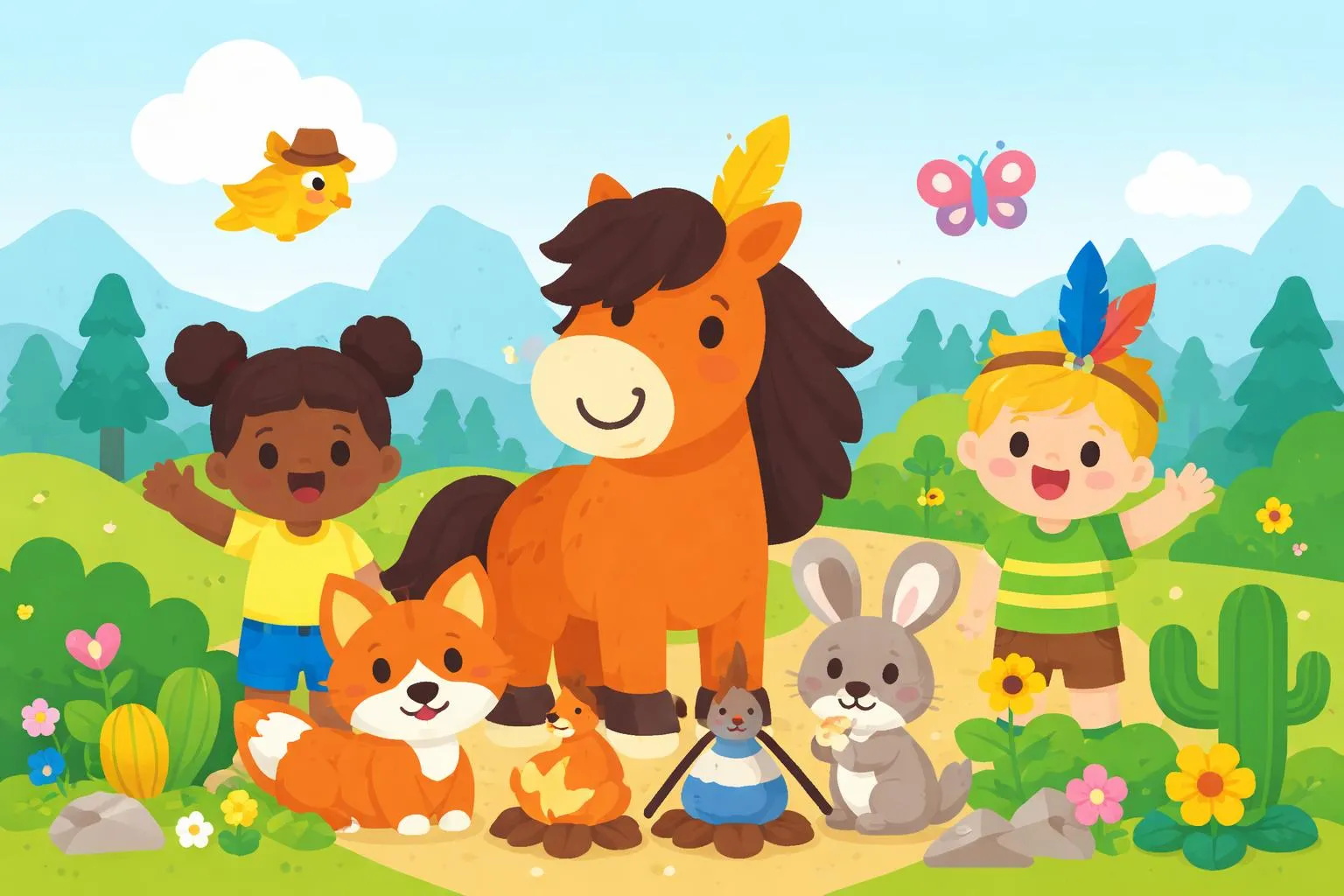
- Crazy Horse was a Sioux leader who fought against U.S. forces. He symbolizes resistance and the cultural heritage of the Sioux people.
- It means learning to speak carefully and thoughtfully, aiming to communicate clearly and avoid harm.
- The children now go to town and enjoy loud music, showing a shift away from traditional ways.
- The salute represents respect for the flag but also a complex relationship with the dominant culture, affirming unity and honorable intentions.
- The teacher says that real enemies hide in hurt or scorned people, and that we should help rather than hurt others.
- The speaker feels a deep connection to the land through memories and natural elements like chokecherries and pottery clay.
- The rodeo scene evokes feelings of fear, suffering, and the vulnerability of people rather than the presence of horses or policemen.
- Because Crazy Horse represents the old vision, and the speaker wants to share the new ways and understandings that have developed since then.
This poem offers a rich resource for education, encouraging reflection on history, culture, and personal growth. It invites readers to honor the past while embracing change with courage and compassion.