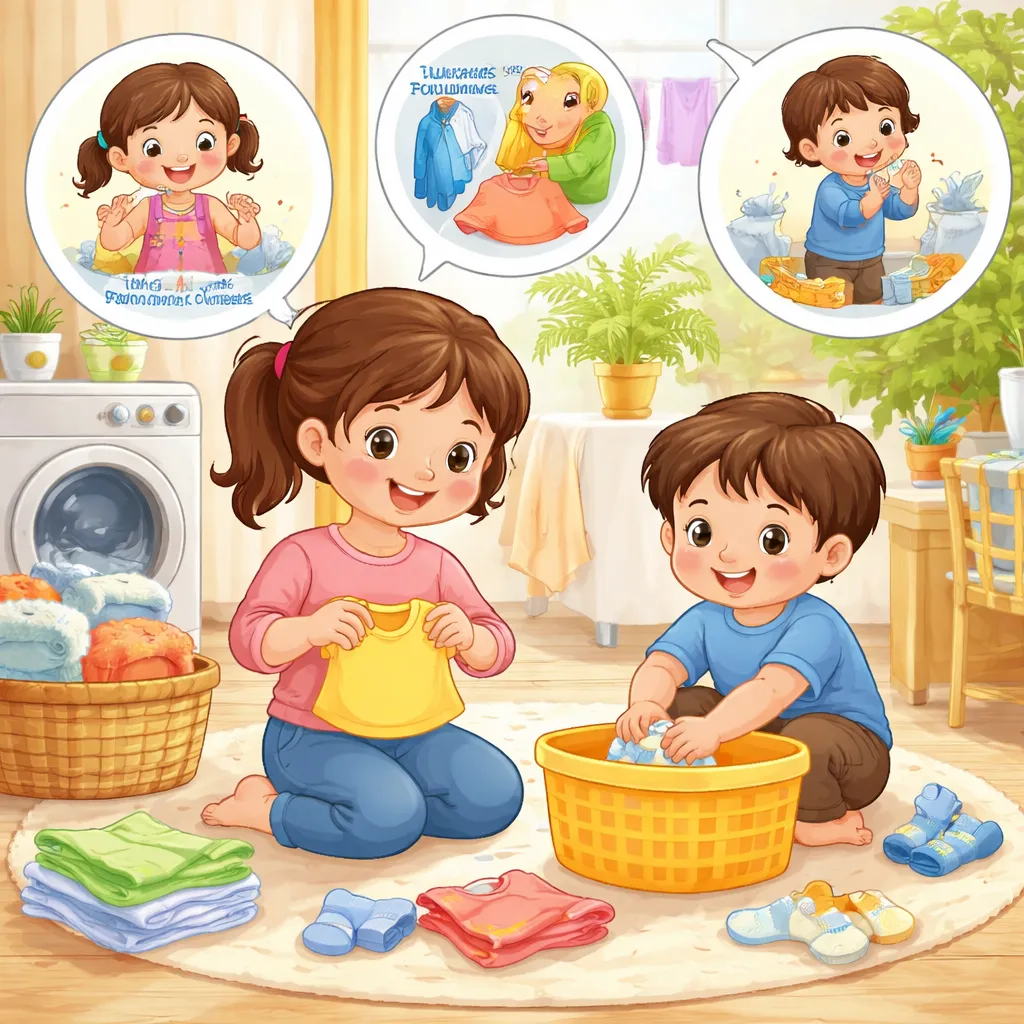

Some songs help children get ready for the day with smiles. The Chinese Songs: Little Clothes (小衣服) does exactly that. This cheerful children's song celebrates the clothes we wear every day, from shirts to pants to cozy socks. For families learning English and Chinese together, this song offers a wonderful way to explore clothing vocabulary, daily routines, and the simple joy of getting dressed. Let us discover what makes this traditional song so helpful for young learners.
What Is the Story Behind This Famous Song?
The Chinese Songs: Little Clothes (小衣服) is a beloved children's song from China. It describes a child's clothes as friendly helpers that keep them warm, protect them, and make them look nice. The song turns the daily routine of getting dressed into a happy game.
In Chinese culture, clothing carries meaning. Parents often choose clothes with care, considering colors, comfort, and practicality. Teaching children to dress themselves is an important step toward independence. This song makes that learning fun.
The song personifies each piece of clothing as a little friend. The shirt hugs the body. The pants cover the legs. The socks keep feet cozy. The shoes carry the child on adventures.
The melody is bouncy and cheerful, like a child hopping into their clothes. Children often act out putting on each item while singing, making the routine playful.
Understanding this背景 helps families appreciate the song's connection to daily independence and the universal experience of getting dressed each morning. It opens conversations about clothing, colors, and taking care of ourselves.
The Complete Lyrics of the Song
Reading the words helps us understand this cheerful dressing routine. Here are the lyrics to the Chinese Songs: Little Clothes (小衣服) in Chinese characters, pinyin, and English.
小衣服,小衣服,穿在我身上
Xiǎo yī fu, xiǎo yī fu, chuān zài wǒ shēn shàng
Little clothes, little clothes, wear on my body
伸伸袖子伸伸头,真呀真漂亮
Shēn shēn xiù zi shēn shēn tóu, zhēn ya zhēn piào liang
Stretch stretch sleeves stretch stretch head, really really beautiful
小裤子,小裤子,套在我腿上
Xiǎo kù zi, xiǎo kù zi, tào zài wǒ tuǐ shàng
Little pants, little pants, put on my legs
左左右右穿进去,站得直又壮
Zuǒ zuǒ yòu yòu chuān jìn qù, zhàn de zhí yòu zhuàng
Left left right right wear into, stand straight and strong
小袜子,小鞋子,也都准备好
Xiǎo wà zi, xiǎo xié zi, yě dōu zhǔn bèi hǎo
Little socks, little shoes, also all prepare well
谢谢衣服照顾我,每天哈哈笑
Xiè xiè yī fu zhào gù wǒ, měi tiān hā hā xiào
Thank you clothes take care of me, every day ha ha laugh
Learning New Words from the Song
The Chinese Songs: Little Clothes (小衣服) introduces many useful words. Let us explore them in both Chinese and English.
First, "小衣服" (xiǎo yī fu) means little clothes. "衣" (yī) means clothing. "服" (fú) also means clothing. Together they mean clothes.
"穿在我身上" (chuān zài wǒ shēn shàng) means wear on my body. "穿" (chuān) is the verb for putting on clothes.
"伸伸袖子伸伸头" (shēn shēn xiù zi shēn shēn tóu) means stretch stretch sleeves stretch stretch head. This describes putting on a shirt. "袖子" (xiù zi) means sleeves.
"真呀真漂亮" (zhēn ya zhēn piào liang) means really really beautiful. "漂亮" (piào liang) means beautiful or pretty.
"小裤子" (xiǎo kù zi) means little pants. "裤子" (kù zi) are pants or trousers.
"套在我腿上" (tào zài wǒ tuǐ shàng) means put on my legs. "套" (tào) means to slip over or put on. "腿" (tuǐ) means legs.
"左左右右穿进去" (zuǒ zuǒ yòu yòu chuān jìn qù) means left left right right wear into. This describes putting each leg in.
"站得直又壮" (zhàn de zhí yòu zhuàng) means stand straight and strong. Once dressed, the child is ready.
"小袜子" (xiǎo wà zi) means little socks. "袜子" (wà zi) are socks.
"小鞋子" (xiǎo xié zi) means little shoes. "鞋子" (xié zi) are shoes.
"也都准备好" (yě dōu zhǔn bèi hǎo) means also all prepare well. Everything is ready.
"谢谢衣服照顾我" (xiè xiè yī fu zhào gù wǒ) means thank you clothes take care of me. The clothes protect and warm the child.
"每天哈哈笑" (měi tiān hā hā xiào) means every day ha ha laugh. Dressing becomes joyful.
Exploring Pronunciation and Rhythm
The Chinese Songs: Little Clothes (小衣服) offers wonderful practice with Mandarin tones and rhythm. The bouncy melody matches the cheerful dressing routine.
Listen to "Xiǎo yī fu" repeated. The tones go: xiǎo (third tone, falling then rising), yī (first tone, high level), fu (neutral). The first tone provides stability.
The phrase "shēn shēn xiù zi shēn shēn tóu" uses first tone for "shēn" (high level), repeated, fourth tone for "xiù" (falling), neutral for "zi", first tone for "shēn" (high level), repeated, and second tone for "tóu" (rising). The stretching action comes alive.
"Zuǒ zuǒ yòu yòu chuān jìn qù" uses third tone for "zuǒ" (falling then rising), repeated, fourth tone for "yòu" (falling), repeated, first tone for "chuān" (high level), fourth tone for "jìn" (falling), and fourth tone for "qù" (falling). The left-right pattern helps coordination.
Finding Grammar Patterns in the Lyrics
The Chinese Songs: Little Clothes (小衣服) offers useful grammar examples for Chinese learners. One pattern appears with the verb "穿" (chuān) meaning wear. "穿在身上" shows wearing on the body.
The song uses directional complements. "穿进去" (chuān jìn qù) uses "进去" (jìn qù) to show putting into. This structure is essential for describing dressing.
Another pattern appears with verb repetition. "伸伸" (shēn shēn) and "左左右右" (zuǒ zuǒ yòu yòu) show actions done repeatedly or carefully.
The word "得" (de) in "站得直" (zhàn de zhí) connects the verb to its description. Standing results in being straight.
"也" (yě) means "also" and "都" (dōu) means "all" in "也都准备好". Everything is ready together.
The gratitude expression "谢谢衣服照顾我" shows thanking someone for an action.
Fun Learning Activities for the Whole Family
Listening to the Chinese Songs: Little Clothes (小衣服) can inspire many family activities. Here are some ideas to try together.
First, practice getting dressed while singing. Each morning, sing the song while putting on clothes. Name each item in Chinese as you put it on. "穿衣服" (put on clothes), "穿裤子" (put on pants), "穿袜子" (put on socks). This turns routine into language practice.
Second, play the clothing color game. Name a color in Chinese and have children find clothing of that color. "找红色的衣服" (find red clothes), "找蓝色的裤子" (find blue pants). This builds color and clothing vocabulary.
Third, practice folding clothes together. After laundry, fold clothes while naming them in Chinese. "叠衣服" (fold clothes), "叠裤子" (fold pants), "放袜子" (put socks). This builds responsibility and vocabulary.
Creating Printable Materials at Home
Families can make simple learning tools based on the Chinese Songs: Little Clothes (小衣服). These activities help reinforce new ideas.
Create bilingual clothing flashcards. On one side, write the Chinese character and pinyin for clothing words. Clothes, 衣服. Shirt, 衬衫. Pants, 裤子. Socks, 袜子. Shoes, 鞋子. On the other side, draw a picture and write the English word. Practice by pointing to real clothes.
Make a getting dressed sequence chart. Draw simple pictures showing the order of dressing. Under each, write the Chinese phrase. "先穿衣服" (first wear clothes), "再穿裤子" (then wear pants), "最后穿鞋子" (last wear shoes). This builds sequencing vocabulary.
Create a fill-in-the-blank page using song lyrics in pinyin. Remove key words like "yī fu", "kù zi", "wà zi", "xié zi", "chuān", and "tuǐ". Leave blanks where those words belong. Listen to the song together and fill in the missing words. This builds listening and character recognition.
Connecting the Song to Daily Life
The Chinese Songs: Little Clothes (小衣服) connects to daily life through the universal routine of getting dressed. Every morning, children put on clothes. This song gives them words for that experience.
Talk with your children about their favorite clothes. What do they like to wear? Why? Use Chinese to share. "我喜欢红衣服" (I like red clothes), "这件衣服很舒服" (these clothes are very comfortable). This builds personal connection to vocabulary.
The song also teaches about gratitude. The clothes "take care" of the child by providing warmth and protection. Use Chinese to express thanks. "谢谢衣服让我暖和" (thank you clothes for keeping me warm), "谢谢鞋子保护我的脚" (thank you shoes for protecting my feet).
Parents can model independence. Let children dress themselves as much as possible. Encourage with Chinese. "你自己穿" (wear it yourself), "做得好" (good job).
Educational Games to Play Together
Games make learning with the Chinese Songs: Little Clothes (小衣服) exciting. Here are some simple games to try.
Play the dress-up relay race. Set out piles of clothes. Children race to put them on while saying each item in Chinese. "穿衣服" (wear clothes), "穿裤子" (wear pants). First one fully dressed wins. This builds speed and vocabulary.
Try the clothing store game. Set up a pretend clothing store with real or paper clothes. Take turns being customer and shopkeeper. Use Chinese phrases. "我要买袜子" (I want to buy socks), "这件衣服多少钱" (how much are these clothes). This builds conversational skills.
Play the what's missing game. Lay out several clothing items. Have children close eyes. Remove one item. They open eyes and say what's missing in Chinese. "袜子不见了" (socks disappeared). This builds observation and vocabulary.
Why This Song Helps Language Learning
The Chinese Songs: Little Clothes (小衣服) helps learners in special ways. The cheerful tempo makes words easy to hear. Each phrase is clear. This helps children catch new vocabulary without feeling rushed.
The clothing theme connects to daily routine. Children use these words every morning. Repetition in real life reinforces learning.
The independence theme builds confidence. Children learn to dress themselves while learning language.
The gratitude practice builds character. Children learn to appreciate the things that serve them.
Making Music Part of Your Routine
Families can make songs a regular part of bilingual learning. Choose one song each week to explore together. Listen during morning routines or while getting dressed.
The Chinese Songs: Little Clothes (小衣服) works perfectly for starting the day. Play it while children dress. Let the music make morning routines joyful.
Remember that language learning thrives in daily moments. When children associate Chinese with getting dressed and starting their day, they learn naturally. They understand that words help them navigate their world.
Keep singing, keep dressing, and keep smiling together. In the colorful closet of bilingual learning, every new word is like a piece of clothing, ready to dress your child's mind with beauty and meaning.














