
Original Story:
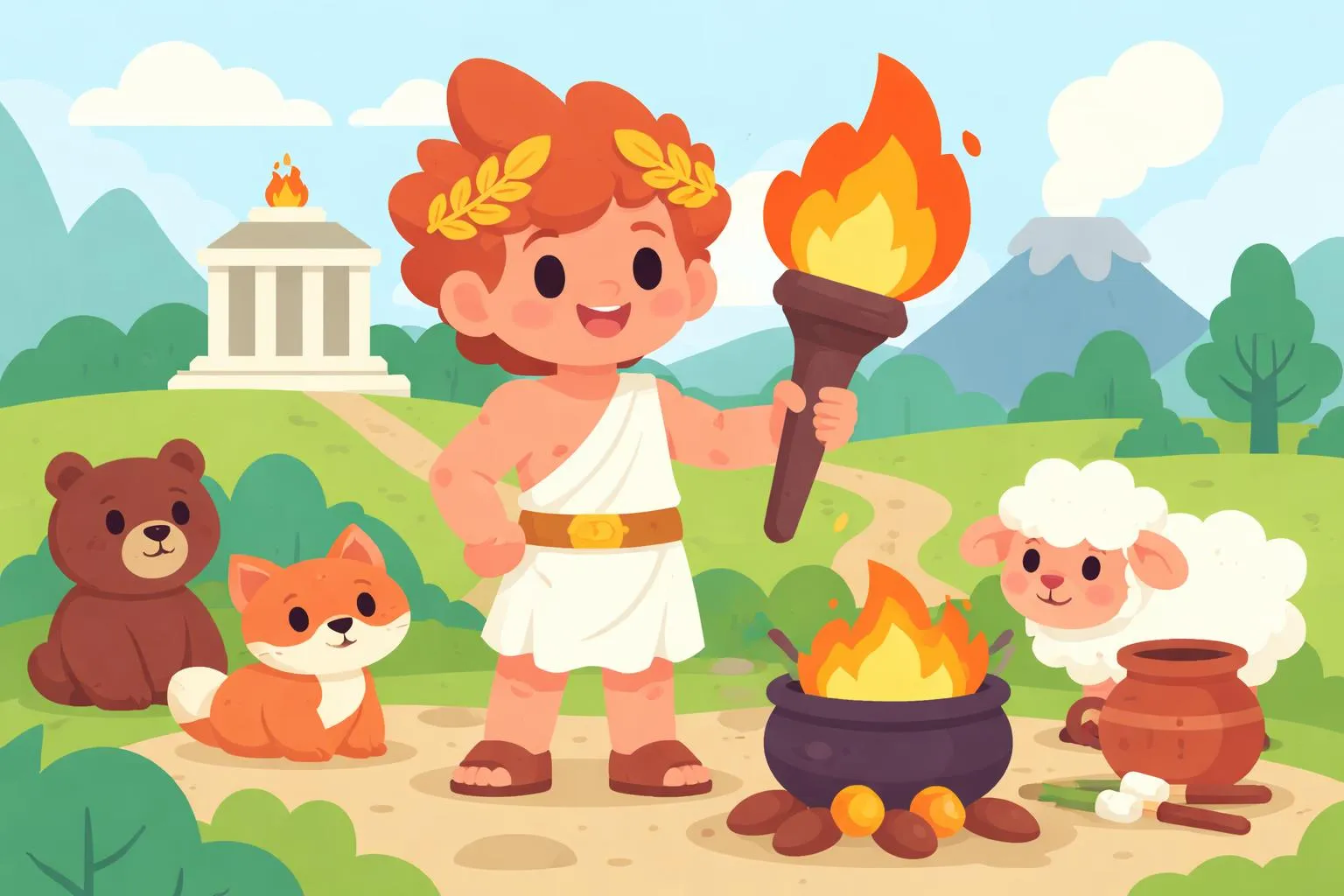
Prometheus stole from Heaven the sacred fire
And swept to earth with it o’er land and sea.
He lit the vestal flames of poesy,
Content, for this, to brave celestial ire.
Wroth were the gods, and with eternal hate
Pursued the fearless one who ravished Heaven
That earth might hold in fee the perfect leaven
To lift men’s souls above their low estate.
But judge you now, when poets wield the pen,
Think you not well the wrong has been repaired?
‘Twas all in vain that ill Prometheus fared:
The fire has been returned to Heaven again!
We have no singers like the ones whose note
Gave challenge to the noblest warbler’s song.
We have no voice so mellow, sweet, and strong
As that which broke from Shelley’s golden throat.
The measure of our songs is our desires:
We tinkle where old poets used to storm.
We lack their substance tho’ we keep their form:
We strum our banjo–strings and call them lyres.
Expansion and Analysis
Summary and Explanation
This poem tells the story of Prometheus, a figure from Greek mythology, who stole the sacred fire from Heaven and brought it to Earth. This fire symbolizes knowledge, creativity, and inspiration—specifically the "flames of poesy," or poetic inspiration. Prometheus bravely defied the gods to give humanity this gift, which would help lift human souls beyond their ordinary existence.
However, the gods were furious and punished Prometheus for his defiance. Despite their anger, the poem suggests that the gift of fire (inspiration and creativity) has ultimately been returned to Heaven through the work of poets. The poem laments that modern poets do not have the same power or passion as the great poets of the past, such as Shelley, whose voice was "mellow, sweet, and strong." The poem contrasts contemporary poetry, which it sees as lacking substance despite maintaining form, with the powerful, stormy poetry of earlier times.
Background and Author Introduction
This poem is inspired by the myth of Prometheus, a Titan in Greek mythology who is famous for stealing fire from the gods and giving it to humans. The story symbolizes the gift of knowledge and enlightenment to humanity, often at great personal cost.
The mention of Shelley refers to Percy Bysshe Shelley, a major English Romantic poet known for his passionate and powerful poetry. Shelley himself wrote a famous poem titled Prometheus Unbound, which explores themes of rebellion, freedom, and the power of the human spirit.
The poem reflects on the decline of poetic power in modern times compared to the grand, inspiring works of past poets. It serves as both a tribute to the mythic figure of Prometheus and a critique of contemporary culture’s diminished artistic spirit.
Themes and Literary Devices
- Mythology and Symbolism: Prometheus represents the heroic spirit of rebellion and the gift of enlightenment.
- Contrast: Between ancient heroic poets and modern ones, highlighting a perceived loss of depth and passion.
- Allusion: References to Greek mythology and Shelley’s poetry enrich the poem’s meaning.
- Metaphor: Fire as a metaphor for inspiration, creativity, and knowledge.
- Tone: Reflective and somewhat mournful about the state of modern poetry.
Lessons for Children and Students
From this story and poem, children and students can learn:
- The importance of courage and sacrifice: Prometheus risked everything to help humanity.
- The value of creativity and inspiration: Fire symbolizes the spark of imagination that drives progress.
- Respect for history and culture: Understanding myths and classic literature helps us appreciate the roots of modern ideas.
- Critical thinking about art and expression: Not all art is equal; passion and substance matter.
- The power of language: Poetry can elevate human experience and express deep emotions.
Practical Applications and Insights
- In School: Students can explore mythology to understand cultural history and symbolism.
- In Writing: Encourages aspiring poets and writers to seek depth and passion in their work.
- In Life: Teaches the value of standing up for what is right, even against powerful opposition.
- In Creativity: Inspires children to nurture their imagination and express themselves boldly.
Key Vocabulary
- Prometheus: A Titan who stole fire for humanity.
- Poesy: Poetry or poetic inspiration.
- Celestial ire: Anger of the gods.
- Leaven: Something that causes transformation or improvement.
- Mellow: Soft, rich, and pleasant in tone.
- Substance: Meaning or depth in content.
Reading Comprehension Questions
- Who is Prometheus and what did he do for humanity?
- What does the "sacred fire" symbolize in the poem?
- Why were the gods angry with Prometheus?
- How does the poem describe modern poets compared to ancient poets?
- Who is Shelley and why is he mentioned in the poem?
- What lesson can we learn from Prometheus’s story?
- What does the poem suggest about the current state of poetry?
- How does the poem use the metaphor of fire?
- What does the phrase "we strum our banjo–strings and call them lyres" imply?
- How can this poem inspire students in their own creative work?
Answers
- Prometheus is a Titan who stole fire from Heaven and gave it to humans to help them improve their lives.
- The sacred fire symbolizes knowledge, creativity, and poetic inspiration.
- The gods were angry because Prometheus defied them by stealing the fire and giving it to humans.
- The poem says modern poets lack the passion and substance of ancient poets, even though they keep the form.
- Shelley was a great Romantic poet known for his powerful voice; he represents the highest standard of poetic inspiration.
- We learn about courage, sacrifice, and the importance of bringing knowledge and creativity to others.
- The poem suggests that modern poetry is weaker and less meaningful than in the past.
- Fire is a metaphor for the spark of creativity and enlightenment that Prometheus gave to humanity.
- It implies that modern poetry is superficial, playing with form but lacking true depth and power.
- It encourages students to be bold, passionate, and meaningful in their creative efforts.
This poem and story offer rich material for understanding mythology, poetry, and the enduring power of artistic inspiration. It encourages readers to appreciate the gifts of creativity and to strive for excellence in their own expressions.