
Original Story:
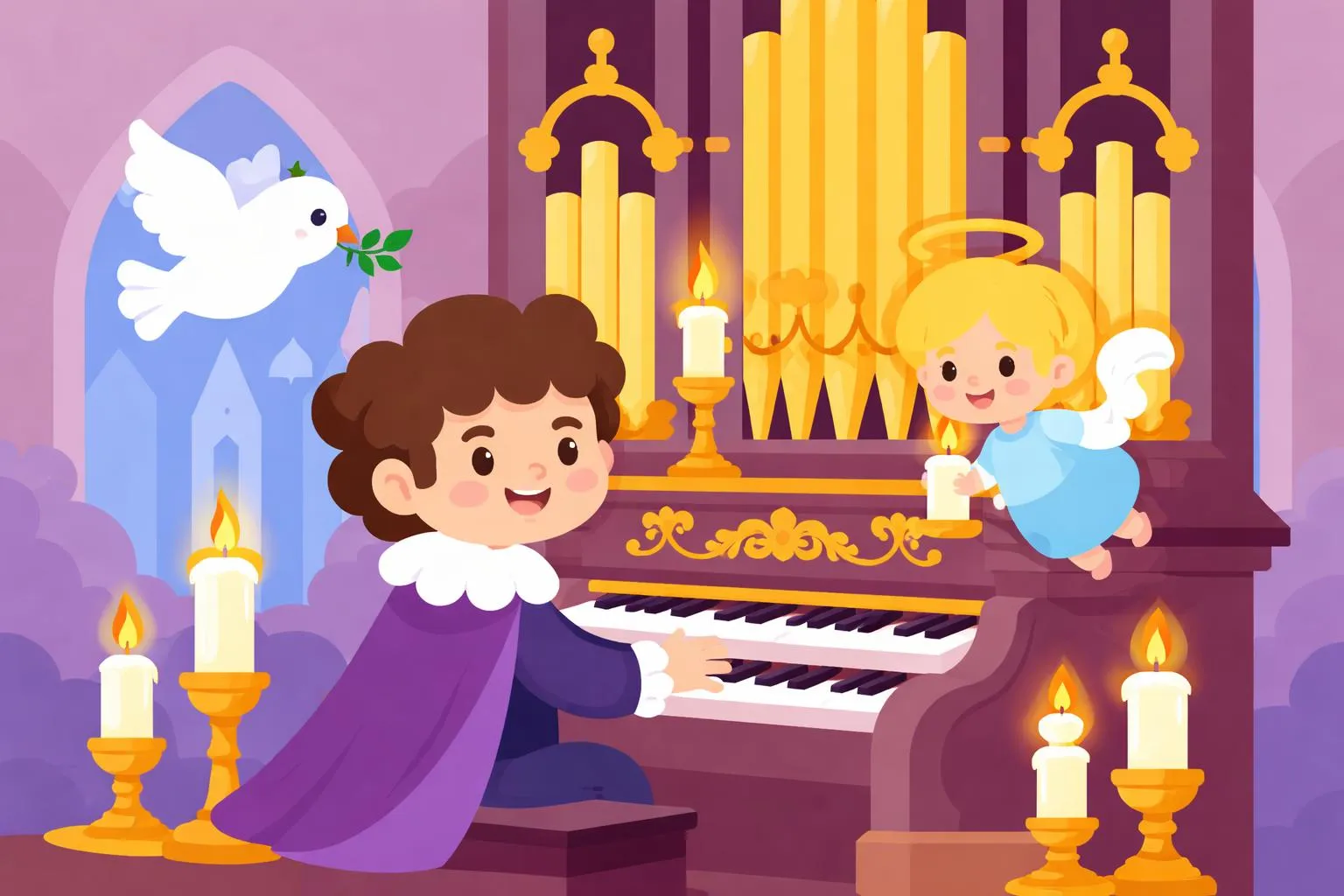
She sang, and I listened the whole song thro’. (It was sweet, so sweet, the singing.) The stars were out and the moon it grew From a wee soft glimmer way out in the blue To a bird thro’ the heavens winging.
She sang, and the song trembled down to my breast,— (It was sweet, so sweet the singing.) As a dove just out of its fledgling nest, And, putting its wings to the first sweet test, Flutters homeward so wearily winging.
She sang and I said to my heart “That song, That was sweet, so sweet i’ the singing, Shall live with us and inspire us long, And thou, my heart, shalt be brave and strong For the sake of those words a–winging.”
The woman died and the song was still. (It was sweet, so sweet, the singing.) But ever I hear the same low trill, Of the song that shakes my heart with a thrill, And goes forever winging.
Expansion and Analysis
Summary and Interpretation
This beautiful poem tells the story of a woman singing a sweet song under the night sky, and the deep emotional impact it has on the listener. The song is described as gentle and inspiring, likened to a young bird testing its wings for the first time. The listener feels the song deeply in their heart, promising to carry its inspiration forward. Even after the woman’s death, the song continues to resonate, symbolizing the lasting power of art and memory.
The poem uses vivid imagery of nature—the stars, the moon, and birds—to convey the delicate and uplifting qualities of the song. The recurring phrase “It was sweet, so sweet, the singing” emphasizes the beauty and emotional sweetness of the moment. The song becomes a metaphor for hope, courage, and the enduring influence of heartfelt expression.
Background and Author Introduction
While the exact author of this poem is not specified here, the style suggests a romantic or lyrical poet who values nature, emotion, and the power of music. Poems like this often come from the 19th or early 20th century when poetry was a common form of expressing deep feelings and connecting human experience with the natural world.
The poem reflects themes common in Romantic literature: the beauty of nature, the innocence and vulnerability of youth (symbolized by the fledgling bird), and the idea that art and emotion outlive physical existence.
Personal Reflection
Reading this poem invites us to pause and appreciate the simple yet profound moments in life—the sweetness of a song, the comfort of nature, and the strength we can draw from beauty and memory. It reminds us that even when people leave us, their words, songs, and actions can continue to inspire and encourage us.
Educational Insights and Learning Points
Children and students can learn several important lessons from this poem:
- Appreciation of Nature: The poem encourages noticing the stars, moon, and birds, fostering a connection with the natural world.
- Emotional Expression: It shows how music and poetry can express feelings and touch hearts deeply.
- Resilience and Inspiration: The listener’s heart becomes “brave and strong” because of the song, teaching the power of inspiration to build courage.
- Legacy of Art: The idea that songs and words can live on beyond a person’s life introduces concepts of memory, legacy, and cultural heritage.
Practical Applications and Life Lessons
- In Daily Life: Children can learn to appreciate music and poetry as ways to express feelings and find comfort.
- In School: This poem can be used to teach literary devices such as imagery, metaphor, and repetition.
- In Personal Growth: The story encourages developing inner strength by holding onto positive memories and inspirations.
- In Social Settings: Understanding how art connects people emotionally can foster empathy and communication skills.
Key Vocabulary
- Trembled: Shook slightly, showing emotion or excitement.
- Fledgling: A young bird learning to fly; used metaphorically for someone new or inexperienced.
- Trill: A musical sound consisting of a rapid alternation between two notes.
- Wing: Used metaphorically to mean to fly or move freely.
Reading Comprehension Questions
- What natural elements are mentioned in the poem?
- How does the listener feel about the woman’s song?
- What does the fledgling bird symbolize in the poem?
- What promise does the listener make to their heart?
- How does the poem describe the lasting effect of the song after the woman’s death?
- What is the main theme of the poem?
- How can this poem inspire readers in their own lives?
Answers
- The stars, the moon, and a bird are mentioned.
- The listener finds the song very sweet and inspiring, feeling it deeply in their heart.
- The fledgling bird symbolizes new beginnings, innocence, and the first test of strength or courage.
- The listener promises their heart to be brave and strong inspired by the song.
- The poem says the song’s trill continues to be heard, shaking the listener’s heart and going on forever.
- The main theme is the enduring power of art and inspiration.
- It can inspire readers to find strength in beauty and memories, and to appreciate the lasting impact of heartfelt expression.
This poem is a wonderful resource for children and students to explore poetic language, emotional depth, and the connection between art and life. It encourages both appreciation and personal growth through the power of song and memory.