
Original Story:
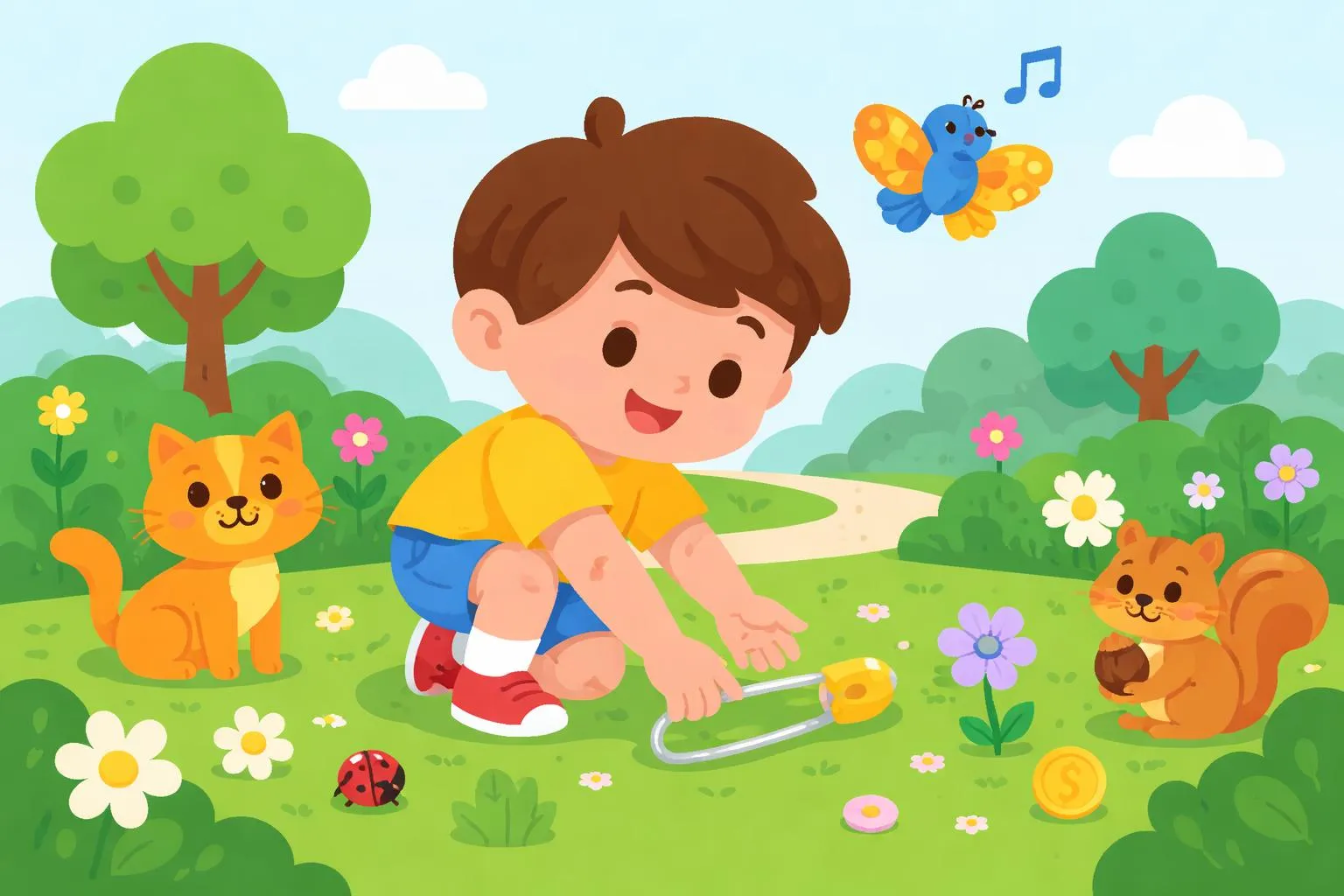
See a pin and pick it up,
All the day you’ll have good luck.
See a pin and let it lay,
You’ll have bad luck all the day.
Explanation and Interpretation
This short rhyme is a traditional children’s saying that connects a simple action—picking up a pin—with the idea of bringing good luck throughout the day. Conversely, ignoring the pin is believed to bring bad luck. The rhyme uses a clear cause-and-effect structure to teach children about attentiveness and the consequences of their actions, even in small matters.
The underlying message is about mindfulness and the value of taking positive actions, no matter how minor they seem. It encourages children to be observant and proactive, suggesting that small deeds can influence their day’s fortune.
Background and Author Introduction
This rhyme is an example of folk wisdom passed down through generations. Its exact origin is unknown, as it belongs to the oral tradition of nursery rhymes and superstitions common in many cultures. Such sayings were often used by parents and teachers to instill good habits in children by linking behavior with outcomes in a memorable way.
The author of this particular rhyme is anonymous, as is typical for folk rhymes. Its simplicity and rhythm make it easy to remember and share, which helped it survive through time.
Reflection and Personal Response
Reading this rhyme reminds us how children’s literature often blends fun with moral lessons. It shows how even a tiny object like a pin can become a symbol for luck and responsibility. For children, this rhyme can spark curiosity about superstitions and encourage them to think about how their actions affect their lives.
Personally, it highlights the importance of paying attention to details and taking initiative. It also reflects how cultures use storytelling to teach values in a gentle, engaging manner.
Learning Points for Children and Students
From this rhyme, children can learn:
- Cause and effect: Understanding how actions can lead to consequences.
- Mindfulness: Paying attention to their surroundings.
- Responsibility: Taking small actions seriously.
- Cultural literacy: Awareness of traditional sayings and superstitions.
Practical Applications
- In daily life: Encouraging children to pick up litter or small objects to keep their environment clean.
- In school: Teaching the importance of attentiveness in class and how small habits affect learning outcomes.
- Social skills: Understanding that small positive actions can improve relationships and personal well-being.
Challenges and Focus Areas
- Helping children grasp the abstract idea of luck and superstition.
- Encouraging critical thinking about traditional beliefs—what to accept and what to question.
- Reinforcing the habit of mindfulness through practical exercises.
Reading Comprehension Questions
- What happens if you pick up a pin according to the rhyme?
- What is the consequence of leaving a pin lying on the ground?
- What lesson does the rhyme teach about small actions?
- Why do you think this rhyme has been passed down through generations?
- How can this rhyme help children in their daily lives?
Answers
- You will have good luck all day.
- You will have bad luck all day.
- Small actions can have important consequences.
- Because it is easy to remember and teaches a simple, valuable lesson.
- It encourages mindfulness, responsibility, and paying attention to details.
This simple rhyme, while brief, carries rich cultural and educational significance. By exploring its meaning, background, and applications, children and educators can appreciate how traditional stories continue to shape learning and behavior.