
Original Story:
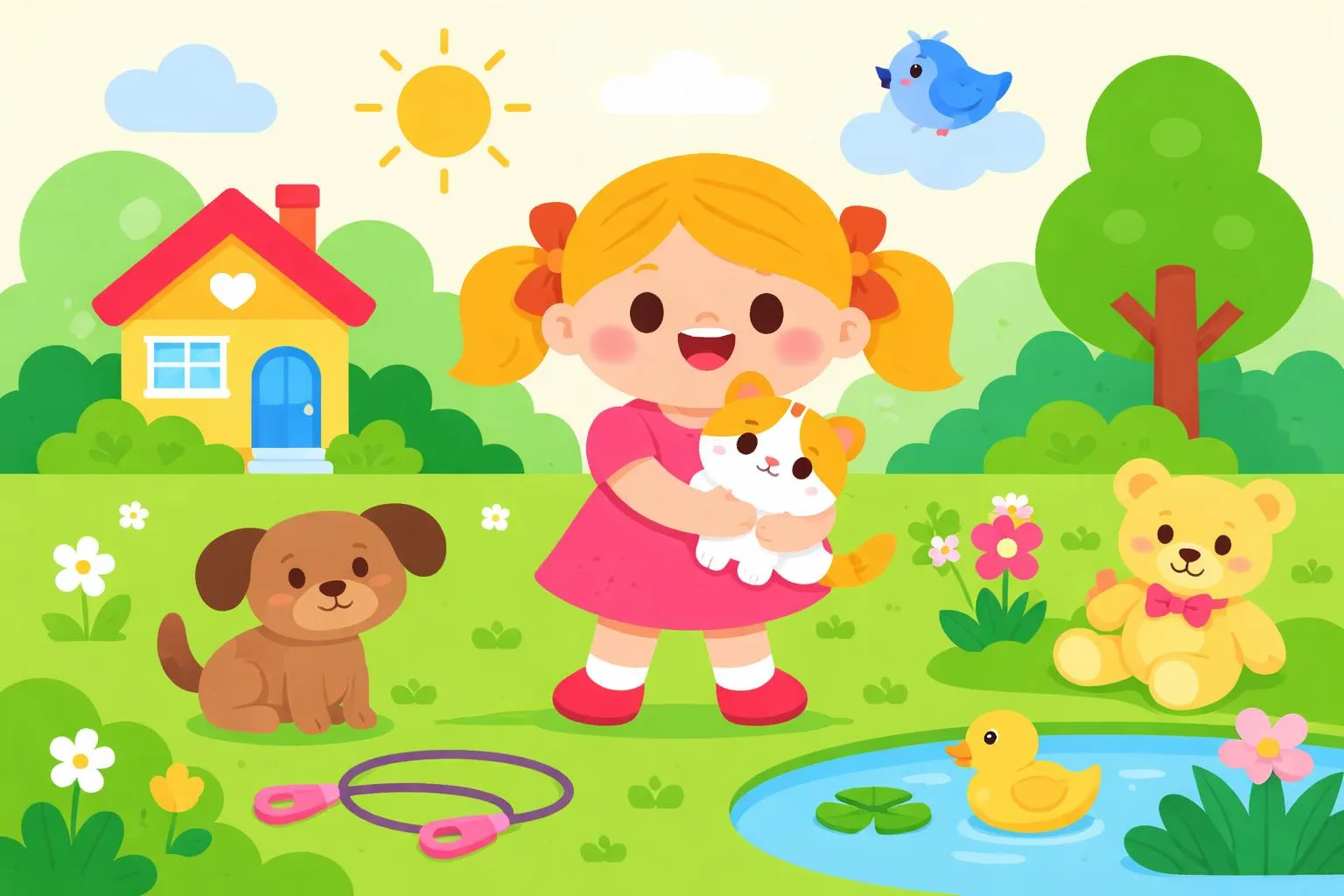
There was a little girl,
And she had a little curl
Right in the middle of her forehead;
When she was good,
She was very, very good;
But when she was bad—she was horrid.
Expansion and Analysis of the Story
Summary and Interpretation
This short poem tells the story of a little girl who has a distinctive curl right in the middle of her forehead. The poem contrasts her behavior by saying that when she is good, she is exceptionally well-behaved and pleasant. However, when she is bad, she becomes quite horrid or unpleasant. The poem captures the dual nature of children’s behavior in a simple and memorable way.
The poem uses contrast to highlight how children can have very different moods and behaviors, sometimes very sweet and other times quite difficult. The curl on her forehead symbolizes her unique identity, making the little girl easily recognizable and memorable.
Background and Author Introduction
This poem is a famous nursery rhyme often attributed to Henry Wadsworth Longfellow, a well-known American poet of the 19th century. Longfellow was known for his ability to write simple yet profound poems that appealed to both children and adults. His works often contained moral lessons and vivid imagery.
The poem reflects the Victorian era’s interest in children’s behavior and character, emphasizing the importance of being good but also acknowledging that children can have moments of mischief. It is a timeless piece that has been passed down through generations as a playful way to talk about children’s moods.
Literary Appreciation
The poem’s strength lies in its simplicity and rhythmic flow. It is easy to memorize, making it ideal for young children. The rhyme scheme and repetition create a musical quality that delights young listeners. The use of the word "horrid" to describe the girl when she is bad is humorous rather than harsh, which makes it suitable for children.
The poem also gently teaches children about the consequences of their behavior, encouraging them to be good while recognizing that everyone has moments when they are not perfect.
Lessons and Knowledge Points for Children and Students
From this poem, children can learn several important lessons:
- Understanding Behavior: Children can recognize that everyone has good and bad days, and it is normal to have different moods.
- Self-awareness: The poem encourages children to think about their own behavior and how it affects others.
- Vocabulary: Words like curl, horrid, and forehead help expand children’s vocabulary in a fun context.
- Rhythm and Rhyme: The poem introduces children to the concept of rhyme and rhythm in poetry, which is fundamental for language development.
Practical Applications and Life Lessons
- In School: Teachers can use this poem to discuss emotions and behavior with children, helping them understand the importance of being kind and well-behaved.
- At Home: Parents can use the poem as a gentle reminder for children about their behavior, making it a fun way to talk about being good.
- Social Skills: The poem can help children learn empathy by understanding that everyone can have different moods and that it is important to be patient with others.
Challenges and Focus Areas for Learning
- Pronunciation Practice: Children can practice pronouncing the words clearly, especially "horrid" and "forehead."
- Comprehension: Understanding the contrast between "good" and "bad" behavior and what it means in different contexts.
- Creative Expression: Children can be encouraged to write or draw their own stories about times when they were good or bad, fostering creativity.
Reading Comprehension Exercises
Questions:
- What is special about the little girl in the poem?
- How is the girl described when she is good?
- What happens when the girl is bad?
- What does the poem teach us about children’s behavior?
- Can you think of a time when you were very good or a little bad? How did it feel?
Answers:
- She has a little curl right in the middle of her forehead.
- When she is good, she is very, very good.
- When she is bad, she is horrid.
- The poem teaches us that children can have different moods and behaviors—sometimes very good and sometimes not so good.
- (This answer will vary depending on the child’s personal experience.)
This poem is an excellent tool for teaching children about emotions, behavior, and language in a simple, engaging way. It encourages reflection on personal actions and helps build vocabulary and comprehension skills, making it valuable in both educational and home settings.