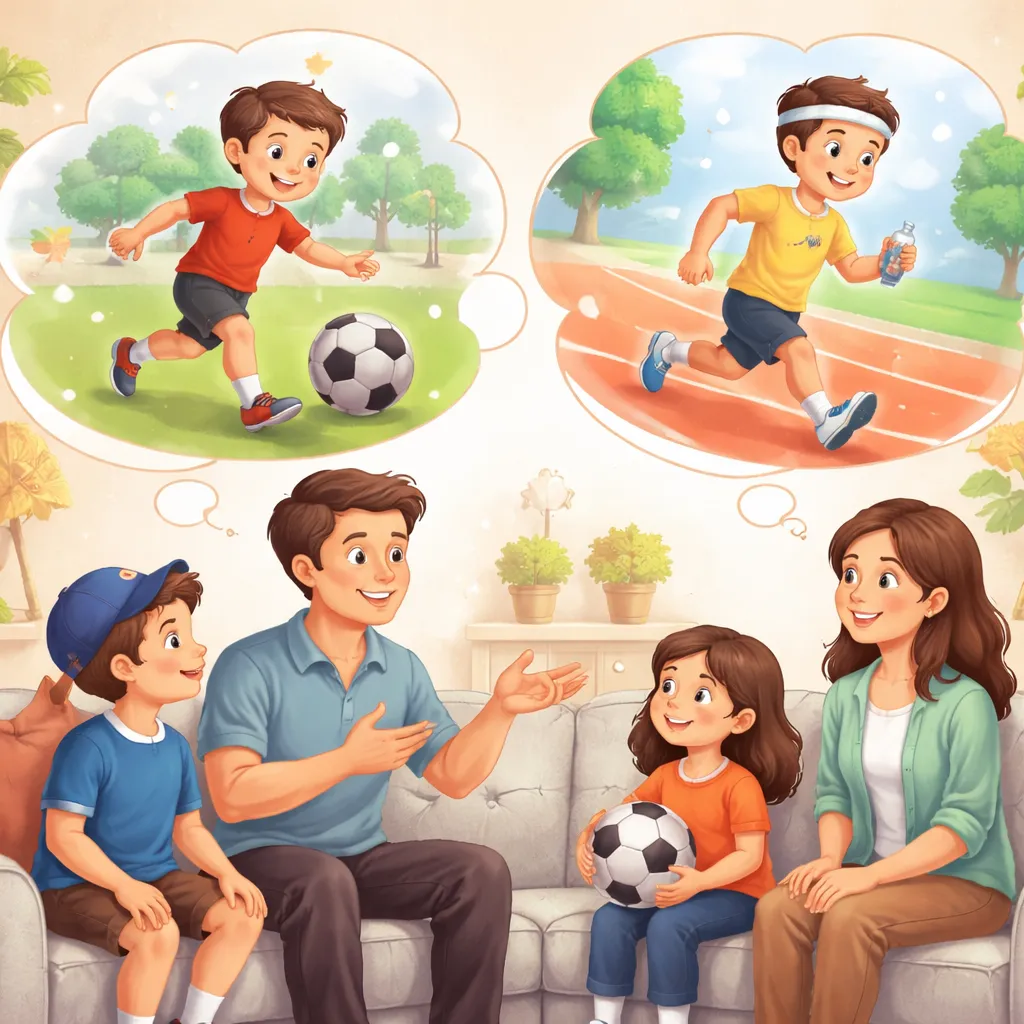

Are Similar Words Really Interchangeable? Many young learners use the words player and athlete as if they describe the exact same person in every situation. In the exciting world of sports, we often see people running on fields or competing in large stadiums. While these two terms often appear together in books and news, they represent different ideas in the English language. One describes someone participating in a specific game, while the other describes someone with high physical skill.
Understanding the unique roles of these words helps children communicate with more precision and professional flair. If a student calls a marathon runner a "game player," it might sound a bit confusing to a native speaker. If they use the word "athlete," the listener immediately understands the person’s physical strength and dedication to training. These small linguistic details are the building blocks of clear communication for young scholars and sports fans.
Learning how these words function together allows parents and children to explore the world of competition more deeply. It moves a student beyond basic labels and into the world of logical and context-aware language application. When a learner knows the specific role of each word, they feel like a true expert in the stadium. This foundation makes reading sports news or watching the Olympics much more engaging for the entire family.
Set 1: Player vs Athlete — Which One Is More Common? The word player is much more common in daily conversation because it applies to many fun activities beyond physical sports. You will hear it when children play board games, video games, or even musical instruments like the piano. It is a high-frequency noun that children encounter almost every single day in many different playful settings. Because it covers so many types of participation, it is one of the first identity words a child masters.
Athlete is a more specialized word that people use when discussing serious physical training and high-level sports performance. While it is a very common word in the media, its usage is more restricted to physical fitness and organized competition. You might hear it more often on a sports channel or in a physical education class at school. It suggests a certain level of discipline and physical power that a casual "game participant" might not always have.
In casual English, "player" acts as a general word for anyone taking part in a structured activity with rules. "Athlete" acts as a more specific label for someone who trains their body to be fast, strong, and highly skilled. Both words are essential for a child's vocabulary, but "player" serves as the broader and more frequent starting point for learners. Knowing which one to use makes a child's speech sound more natural and aware of the social context.
Set 2: Player vs Athlete — Same Meaning, Different Contexts We use the term player when we want to emphasize the person’s role within a specific game or a social team. For example, a parent might say, "You are a very kind soccer player because you always pass the ball to others." In this context, the focus remains on the rules of the game and how the child interacts with their teammates. It describes the social and strategic experience of being part of a fun and organized match.
We use the term athlete when we want to highlight a person’s physical abilities, health, and their dedicated training routine. If a child is very fast at running, a coach might say, "You are a natural athlete with great speed and stamina." Here, the word provides a focus on the person’s body and their physical potential rather than just the game. The context moves from the rules of the sport to the personal strength and dedication of the individual.
Think of it like the difference between a "student" and a "scholar" in a busy school library or a classroom. "Player" is the participant who is following the lesson and doing the work, much like following the rules of a game. The "athlete" is the one who shows a deep, specialized talent and a strong commitment to their physical growth. Using these contexts helps children understand that their identity can change depending on their effort and their surroundings.
Set 3: Player vs Athlete — Which Word Is “Bigger” or More Emphatic? Athlete is the "bigger" word because it represents a massive global ideal of physical excellence and professional human performance. It encompasses the history of the ancient Olympics, the science of the human body, and the dreams of professional competitors. When a student says, "I want to be an athlete," they are expressing a large interest in physical mastery and health. It is an emphatic word that carries the weight of a professional and organized international standard of excellence.
Player is an emphatic word when it is used to describe the importance of a person’s contribution to a specific victory. Phrases like "the most valuable player" or "a key player" show how much impact this word can have on a person's status. It highlights a specific accomplishment within a team that helps everyone feel proud of their shared hard work. While it covers a specific role, the social impact of being a "great player" is very high for young learners.
For a young learner, "athlete" feels like a grand adventure where they must learn to take care of their body and train. "Player" feels like the immediate joy they feel every time they join a game with their friends at the park. One word represents a lifelong habit of fitness and discipline, while the other represents the thrill of participation and teamwork. Both words have power, but they inspire different types of pride and dedication in a child's growing mind.
Set 4: Player vs Athlete — Concrete vs Abstract The word player is often more concrete because it refers to a person’s visible role in a specific, tangible game. You can see the player wearing a jersey, holding a ball, and moving within the white lines of the court. It is very easy for children to point to someone on the field and know they are a participant in the match. This concrete nature makes it an excellent word for beginners to learn through direct observation of their friends.
Athlete can be more abstract because it often refers to an internal quality or a general identity of being fit. You cannot always "touch" athleticism, but you can see the results of the quality through a person's balance and power. It involves abstract ideas like "perseverance," "agility," and "spirit" that guide how a person trains their body every day. This makes it a great word for teaching children about invisible qualities like hard work and personal determination.
Bridging these two concepts helps children see how physical roles support abstract goals in their personal development. A concrete "player" provides the presence on the field, but the "athlete" provides the internal drive and physical progress. This connection helps children develop a more sophisticated way of describing their experiences and their physical growth as they get older. It turns a simple game into a meaningful lesson about the relationship between who we are and what we do.
Set 5: Player vs Athlete — Verb or Noun? First Understand the Role In standard English, the word player is a common noun that comes directly from the very active verb "to play." This makes it very easy for children to understand the meaning: a player is simply someone who plays a game. Understanding this linguistic connection helps children build more creative and flexible sentences in their daily writing and speaking lessons. It allows them to link their actions to their identity with perfect logic and clarity.
The word athlete is strictly a noun that names the person, but it is related to the more formal word "athletics." You might say, "The school athletics department is very proud of its top athlete this year," to sound more official. While "player" is tied to a simple action, "athlete" is tied to a broader field of physical study and sport. Teaching this difference helps children understand how English uses different types of words to describe people based on their focus.
Teaching kids to identify the roles of these words prevents them from making common grammatical mistakes in their schoolwork. They learn that they "play" (verb) to become a "player" (noun), but they "train" (verb) to become an "athlete" (noun). This level of awareness makes their English sound more polished and shows they understand the deeper rules of the language. It gives them the right tools to express their sports interests with both technical accuracy and total confidence.
Set 6: Player vs Athlete — American English vs British English In American English, the word "athlete" is used very frequently in the context of school scholarships and college sports teams. Americans often talk about "student-athletes" to describe children who are successful in both their classroom and their sport. You will find that many children in America are introduced to the word "athlete" through high school sports news and local events. The language used is very direct and reflects the word's popularity as a symbol of achievement.
In British English, "player" is also the standard term, but people might use the word "sportsman" or "sportswoman" in formal settings. While "athlete" is used in the UK, it often refers specifically to people who compete in "track and field" events like running. An American might call a football star an "athlete," while a British person might simply call them a "football player." These regional variations are a fun way for curious children to see how English changes across different cultures.
Despite these small regional flavors, the core meaning of these words remains a universal bridge for kids everywhere. A talented soccer star looks and behaves the same way whether they are in London, Sydney, or New York City. Learning that language can have different "styles" in different countries is a wonderful way to encourage a global mindset. It shows children that they are part of a worldwide community of students who share the same language tools.
Set 7: Player vs Athlete — Which Fits Formal Situations? Athlete is the formal name used by the Olympics, international sports committees, and academic health reports for young people. If a child is writing a formal report on a famous person like Usain Bolt, "athlete" is the necessary and professional choice. It sounds academic and shows that the student understands the official structure of the global sports world. Using the formal name indicates a high level of respect and dedication to the physical mastery being studied.
Player is a perfectly fine word, but it is often considered more specific to the "game" than the "person" in serious writing. In a formal sports contract or an official news report, a writer might use "professional player" to describe a person's job. While "player" is used in every game, "athlete" is preferred when discussing the general health and potential of the human body. Knowing this helps children realize that different situations require different levels of respect and precision in their speech.
Guiding children to choose the right word for the right situation is a key part of their social and educational development. When they use "athlete" in a formal presentation, they sound prepared and mature for their age and learning level. When they use "player" in a specific way, they show they have an "expert's eye" for the rules of the match. Formal language is a tool that helps children communicate their big ideas with authority and total clarity.
Set 8: Player vs Athlete — Which One Is Easier for Kids to Remember? Player is often much easier for children to remember because it is directly linked to the word "play," which they love. Most kids associate the sound of the word with their toys, their friends, and the games they play during recess. The name is easy to recognize and has a very clear association with having fun and participating in an activity. It is one of the first person-based nouns that many children master when learning English.
Athlete is also easy to remember if you link it to the "A" at the beginning of the word "action." Children quickly learn that this special word refers to the people they see doing amazing things on the television or at the park. Its connection to strength, speed, and cool sneakers makes it a very memorable and exciting word for young learners. This unique sound helps the word stick in the brain much more effectively over time for younger students.
To help a child remember both, parents can use the "Game and Gift" memory trick during a fun family sports day. You are a "player" in the game, but you use your "athlete" gifts to run fast and jump high for the team. This hands-on practice ensures that the words are linked to physical movements and positive social emotions in the brain. When learning is tied to fun activities, it becomes a permanent and happy part of their growing memory.
Mini Exercise: Can You Spot the Differences Between These Similar Words? Are you ready to test your skills and see if you can tell these two sports words apart in a sentence? Read the sentences below and decide whether the word player or athlete is the best fit for each blank space. This is a great way for parents and kids to work together while improving their reading and logic. Let's see if you can get all four correct!
Every basketball ______ on the court must follow the rules and listen to the referee's whistle.
She is a very strong ______ because she eats healthy food and trains for two hours every morning.
My favorite video game ______ won a big trophy in the international tournament last weekend.
If you want to be a professional ______, you must work hard on your speed and your balance.
How did you do on our mini-quiz? For sentences one and three, "player" is the best choice because it refers to the court and the video game. For sentences two and four, "athlete" is correct because it refers to training, health, and professional physical potential. If you got them all right, you are ready to be the captain of your own vocabulary team!
Parent Tips: How to Help Kids Learn and Remember Similar Words Helping your child learn new words is most successful when it is part of the activities they already love. If your child enjoys being active, use their time at the field to introduce terms like "teammate," "coach," and "opponent." Instead of a long list of words, these terms become part of the exciting story of their personal progress and fun. This makes the language feel useful and worth remembering for their future games and daily conversations.
Encourage your child to "narrate" their own activity as if they were a professional commentator watching a major event. Ask them to say things like, "The player takes the ball... the athlete shows great speed... they are moving toward the goal!" This active use of language helps bridge the gap between knowing a word and being able to use it correctly. It also builds their confidence in speaking English aloud in a very fun and low-pressure environment.
Keep a "Sports Word Chart" on the wall where you can add new terms as your child discovers them in books. You can even draw a picture of a stadium and label the different people you might see, like the "fans" and the "referee." Seeing the words every day helps with spelling and ensures they become a permanent part of your child's growing vocabulary. Your encouragement and participation make every new word a fresh opportunity for success and a love of learning.
Exploring the world of competition through English is a wonderful way to build a child's mind and body at the same time. By understanding the specific roles of player and athlete, children gain a clearer view of the world and how to describe it. These words are not just for the stadium; they are the tools that help us share our lives and achievements with others. Keep playing, keep training, and enjoy every moment of this incredible educational journey together as a family.