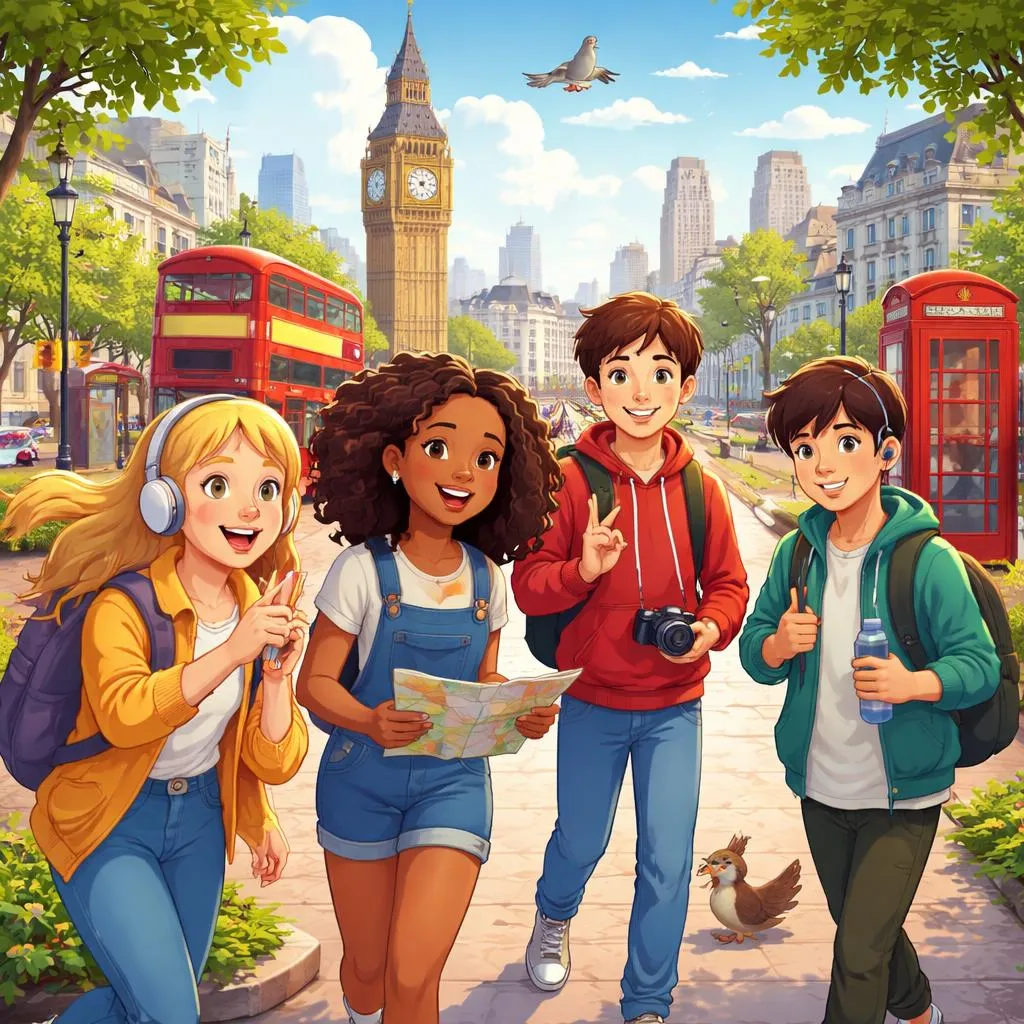
Cities are exciting places. They are full of activity. They have tall buildings, busy streets, and many different people. Teaching about things in cities helps children understand the world around them. It builds vocabulary for places they might visit. It helps them describe their own community. As teachers, we can use this theme to explore neighborhoods, transportation, and community helpers. Let's discover how to bring the city into our classroom.
What Are Things in Cities? Things in cities are the buildings, places, vehicles, and people that make up a city. Cities are large towns where many people live and work. They have special features that you might not find in small villages or rural areas.
When we teach about cities, we help children understand their environment. Some children live in cities. They can connect the vocabulary to their daily lives. Other children may visit cities. They can learn what to expect. All children benefit from understanding this important part of our world.
Meaning and Explanation: Why Learn About Cities? Teaching about cities serves many important purposes.
First, it builds community vocabulary. Children learn words like library, hospital, fire station, and supermarket. These are places they visit or see in their neighborhood.
Second, it helps children understand how communities work. Cities have people with different jobs. They have systems for transportation, safety, and getting food and goods.
Third, it develops observation skills. Children learn to notice the things in cities around them. They become more aware of their environment.
Fourth, it connects to many subject areas. We can do math with city buildings. We can learn about community helpers in social studies. We can create city art. We can read stories set in cities.
Finally, this theme is naturally engaging. Cities are exciting. There is always something happening. Children are curious about the world around them.
Categories or Lists: Types of Things in Cities We can organize things in cities into useful categories.
Buildings and Places:
House: Where people live.
Apartment building: A tall building with many homes inside.
School: Where children go to learn.
Library: A place with many books you can borrow.
Hospital: Where doctors and nurses help sick people.
Fire station: Where fire trucks and firefighters stay.
Police station: Where police officers work.
Supermarket: A large store where people buy food.
Restaurant: A place where you can buy and eat meals.
Park: A green space with grass, trees, and playgrounds.
Museum: A place where you can see interesting objects and art.
Movie theater: A place where you watch films on a big screen.
Bank: A place where people keep their money.
Post office: A place where you can send and receive mail.
Transportation:
Car: A vehicle that takes people places.
Bus: A large vehicle that carries many people.
Train: A vehicle that runs on tracks and carries people.
Subway: An underground train in big cities.
Taxi: A car you can pay to take you places.
Bicycle: A two-wheeled vehicle you pedal.
Motorcycle: A two-wheeled vehicle with an engine.
Truck: A large vehicle that carries things.
Ambulance: A special vehicle that takes sick people to the hospital.
Fire truck: A red vehicle that firefighters use.
Police car: A vehicle that police officers use.
People in the City (Community Helpers):
Teacher: Helps children learn at school.
Librarian: Works at the library and helps people find books.
Doctor: Helps sick people feel better.
Nurse: Helps the doctor and takes care of patients.
Firefighter: Puts out fires and helps in emergencies.
Police officer: Keeps people safe and helps follow laws.
Bus driver: Drives the bus and takes people where they need to go.
Mail carrier: Delivers letters and packages.
Chef: Cooks food in restaurants.
Shopkeeper: Works in a store and helps customers.
Street Things:
Sidewalk: The path where people walk.
Crosswalk: A special place to cross the street safely.
Traffic light: Colored lights that tell cars when to stop and go.
Street sign: A sign that tells the name of the street.
Bench: A seat where people can rest.
Streetlight: A light on a pole that lights up the street at night.
Garbage can: A container for trash.
Mailbox: A box where you can put letters to be mailed.
These categories help children organize their understanding of things in cities.
Daily Life Examples: Talking About the City We can talk about things in cities throughout our daily routine.
During Morning Circle: "Did anyone go somewhere in the city yesterday? A store? A park? A restaurant?"
During Transportation Discussions: "How did you get to school today? By car? By bus? By walking?"
During Community Helpers Theme: We learn about different jobs people do in the city. "The firefighter keeps us safe. The librarian helps us find books."
During Story Time: We read books about cities. "In this book, the family goes to the city. What do they see?"
During Art: Children draw pictures of their neighborhood or a city scene.
During Dramatic Play: We set up different city places. A grocery store. A restaurant. A post office.
By weaving the theme into daily conversation, we make it meaningful and real.
Printable Flashcards: Visual Tools for Learning Flashcards support learning about things in cities.
Building Cards: We create cards with pictures of city buildings. House, apartment, school, library, hospital, fire station, police station, supermarket, restaurant, park. On the back, we write the word and a simple sentence. "The library has many books."
Transportation Cards: We create cards with pictures of city vehicles. Car, bus, train, subway, taxi, bicycle, ambulance, fire truck, police car.
Community Helper Cards: We create cards with pictures of people who work in the city. Teacher, librarian, doctor, nurse, firefighter, police officer, bus driver, mail carrier, chef.
Street Thing Cards: We create cards with pictures of things on city streets. Sidewalk, crosswalk, traffic light, street sign, bench, streetlight, garbage can, mailbox.
These flashcards become a resource for many things in cities activities.
Learning Activities or Games: Hands-On Ideas Here are specific activities to teach about things in cities.
Activity 1: Build a City We provide blocks, boxes, and art materials. Children work together to build a city. They create buildings, roads, and parks. They can add toy cars and people. As they build, they name the things in cities they are creating. "This is the hospital. This is the fire station."
Activity 2: City Sorting Game We provide a collection of picture cards showing different city things. Children sort them into categories. Buildings go in one pile. Vehicles go in another. People go in another. Street things go in another. This builds categorization skills.
Activity 3: Neighborhood Walk We take a walk around the neighborhood near the school. We look for things in cities. We see houses, stores, street signs, and mailboxes. We take pictures. We talk about what we see. Back in class, we create a book about our walk.
Activity 4: Community Helper Dress-Up We provide simple costumes or props for different community helpers. A doctor's coat and stethoscope. A firefighter's hat. A mail carrier's bag. Children dress up and act out the jobs. They tell what they do to help the city.
Activity 5: City Bingo We create bingo cards with pictures of city things. We call out the names. Children cover the matching picture. This game builds listening and recognition.
Activity 6: Where Does It Belong? We describe a place in the city. "You go here to borrow books." Children guess "library." "You go here if you are sick." Children guess "hospital." This builds listening and inference.
Activity 7: City Map Making Children create simple maps of a city. They draw roads and buildings. They label the things in cities on their map. This builds spatial awareness and writing skills.
Activity 8: Vehicle Sounds Game We make sounds of different city vehicles. A siren for an ambulance. A honking horn for a car. A ringing bell for a bicycle. Children guess which vehicle makes each sound.
Activity 9: City Counting We count city things. How many cars do we see in this picture? How many buildings? How many people? This integrates math with the city theme.
Activity 10: My Favorite Place in the City Children draw or write about their favorite place in the city. It might be a park, a library, a restaurant, or their own home. They share with the class. This builds personal connection to the theme.
By using these things in cities activities, we help children understand the world around them. They learn vocabulary for places, vehicles, and people. They become more aware of their community. They see how cities work and how people live together. This knowledge builds confidence and curiosity about the world.