
Introduction to Nicaragua
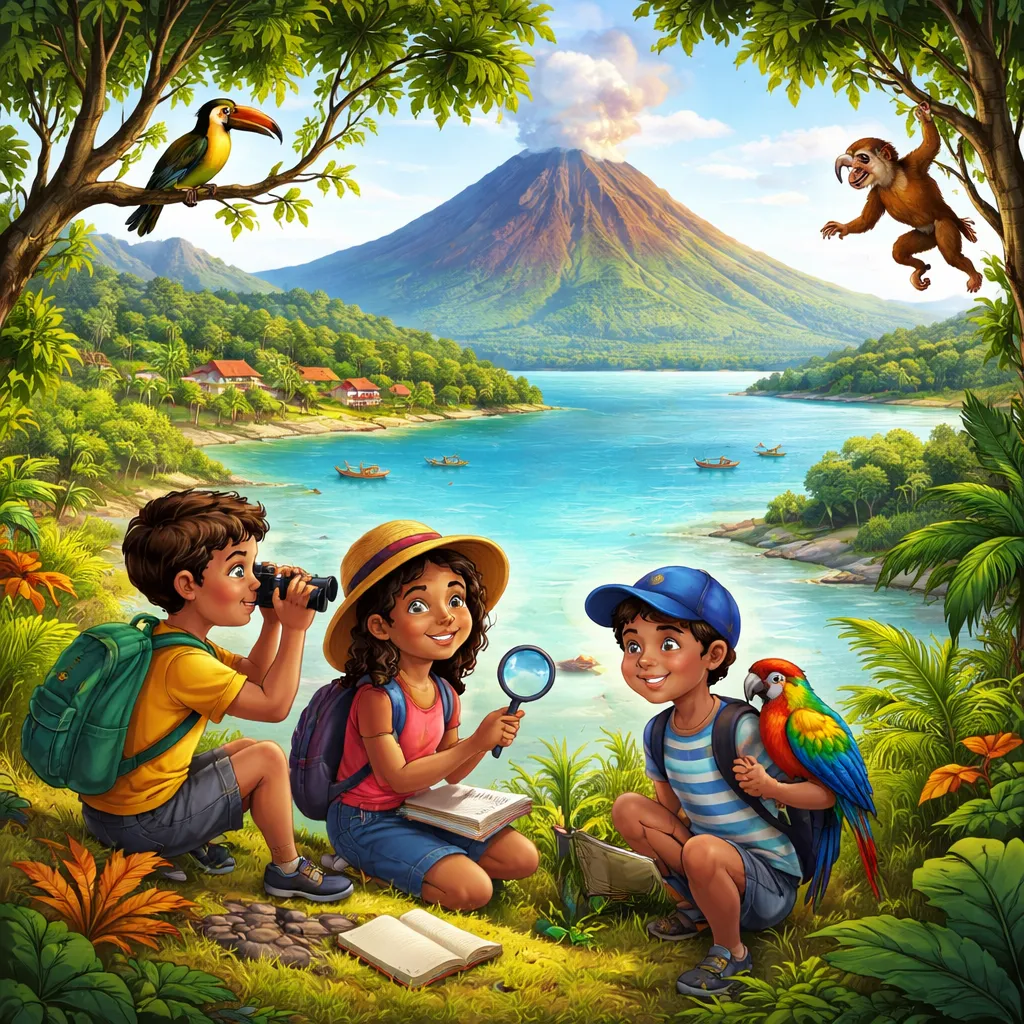
Language learning transports us to a land of lakes, volcanoes, and tropical forests. Today we explore the largest country in Central America. This nation holds two of the largest lakes in the region. Children will discover volcanoes that rise from the water. They will learn about rainforests filled with colorful birds and monkeys. Exploring Nicaragua builds reading skills while revealing a country of natural wonders. Every fact uncovers a new treasure. Every word invites young readers to imagine this vibrant land.
Where Is Nicaragua?
Nicaragua lies in Central America between Honduras and Costa Rica. It sits north of Costa Rica and south of Honduras. The Caribbean Sea borders Nicaragua to the east. The Pacific Ocean borders the country to the west. The capital city is Managua. Managua sits on the southern shore of Lake Managua. The country covers over fifty thousand square miles. It ranks as the largest country in Central America. Two great lakes dominate the landscape. Lake Nicaragua ranks as the largest lake in Central America. Lake Managua sits to the north. Finding Nicaragua on a map shows a country bridging the Caribbean Sea and the Pacific Ocean. Its location gives it coastlines on two oceans.
Interesting Facts About Nicaragua
Nicaragua offers many fascinating facts for young learners. It holds Lake Nicaragua, the largest lake in Central America. This lake contains freshwater sharks. These sharks swim up the San Juan River from the Caribbean Sea. Another interesting fact involves volcanoes. Nicaragua has over forty volcanoes. Many remain active. Volcán Masaya features a lava lake visible at night. Visitors can look into the glowing crater.
Nicaragua also has a unique colonial city. Granada ranks as one of the oldest cities in the Americas. Spanish settlers founded it in 1524. Colorful buildings line its streets. Another fun fact involves biodiversity. The country holds rainforests, cloud forests, and dry forests. Howler monkeys, jaguars, and hundreds of bird species live here. The Indio Maíz Biological Reserve protects one of the largest rainforests in Central America.
The country also has a famous poet. Rubén Darío ranks as one of the most important Spanish-language poets. Nicaragua celebrates his legacy. Another interesting fact involves the Corn Islands. These Caribbean islands offer white sand beaches and clear water. They sit far from the mainland. These facts show children a country of lakes, volcanoes, and rich natural beauty.
Key Vocabulary About Nicaragua
Let us build vocabulary for this Central American nation. These words help children describe what they learn.
Volcano: a mountain that erupts with lava and ash.
Crater: a bowl-shaped depression at the top of a volcano.
Biodiversity: the variety of plants and animals in an area.
Cloud Forest: a tropical forest with constant cloud cover.
Rainforest: a dense forest with high rainfall.
Howler Monkey: a monkey known for its loud calls.
Colonial: relating to the period of European settlement. Introduce these words with pictures and stories. Show a volcano with glowing lava. Show howler monkeys in the trees. Let children say each word aloud. These vocabulary words give children the language to explore Nicaragua's natural wonders.
Simple Sentences for Reading Practice
Short sentences help new readers build confidence. Use these sentences about Nicaragua for practice.
Nicaragua is a country in Central America.
Honduras and Costa Rica border Nicaragua.
The capital city is Managua.
Lake Nicaragua is the largest lake in Central America.
Many volcanoes rise across the country.
Rainforests shelter howler monkeys and jaguars.
Granada is one of the oldest cities in the Americas. Read each sentence together. Let children point to the words. Encourage them to repeat after you. Use pictures to show each fact. These simple sentences prepare young readers for longer passages.
Short Reading Passage About Nicaragua
Here is a short passage for children to read together.
“Nicaragua stretches across Central America between the Pacific Ocean and the Caribbean Sea. Two great lakes fill the western part of the country. Lake Nicaragua ranks as the largest lake in Central America. Freshwater sharks swim in its waters. Lake Managua lies to the north. Volcanoes rise around the lakes. Volcán Masaya glows with lava at night. Visitors peer into its crater from the rim. In the south, the colonial city of Granada lines the shore of Lake Nicaragua. Colorful buildings and churches fill the streets. Spanish settlers built this city over five hundred years ago. East of the lakes, rainforests stretch toward the Caribbean coast. Howler monkeys call from the treetops. Jaguars move silently through the shadows. The Indio Maíz reserve protects one of the largest rainforests in Central America. Nicaragua offers lakes, volcanoes, and forests all in one country.”
Read this passage slowly together. Pause to talk about each idea. Ask children to find vocabulary words in the text. This activity builds reading fluency and deepens understanding.
Fun Questions About Nicaragua
Questions make reading interactive and engaging. Use these to start conversations with young learners.
What two countries border Nicaragua?
What is the capital city of Nicaragua?
What is the largest lake in Central America?
What animal lives in Lake Nicaragua that usually lives in the ocean?
What city is one of the oldest in the Americas?
What can visitors see at Volcán Masaya? Let children answer in complete sentences. Encourage them to use new vocabulary. Ask them to imagine looking into a volcano crater. What would they see and feel? Creative questions make the topic personal and exciting.
Tips for Learning English with This Topic
Use Nicaragua to create rich English learning experiences. Start with a map activity. Let children find Nicaragua between Honduras and Costa Rica. Point out the two coastlines on the Pacific and Caribbean. Discuss how this location gives Nicaragua diverse ecosystems.
Next, introduce the vocabulary through a hands-on activity. Create a simple volcano model using clay or paper. Use baking soda and vinegar to simulate an eruption. Talk about Volcán Masaya and its glowing lava. For the rainforest, create a collage with green paper and animal pictures. Include howler monkeys and jaguars.
Read the passage aloud with excitement and wonder. Let your voice reflect the mystery of freshwater sharks and the power of volcanoes. After reading, let children draw a scene from Nicaragua. One child might draw a volcano with lava flowing down its side. Another might draw howler monkeys in the rainforest. Let them label their drawings with vocabulary words. Add blue for the lakes and green for the forests.
Incorporate a science connection. Talk about why volcanoes form in Central America. Discuss how sharks can live in freshwater. This shows children that language learning reading connects to earth science and biology.
Use music and movement to enhance the experience. Listen to Latin American music with guitars and percussion. Let children move like howler monkeys swinging through trees. Pretend to hike up a volcano. Physical activity reinforces learning in joyful ways.
Encourage children to share their knowledge. Let them tell a family member about the freshwater sharks of Lake Nicaragua. They can explain why the country has so many volcanoes. Teaching others builds confidence and deepens understanding.
Connect Nicaragua to your child's world. Ask, “What lakes have we visited?” Compare them to Lake Nicaragua. Ask about animals in your area. Compare them to howler monkeys. These connections help children see that language learning reading is about understanding different places and ecosystems. By exploring Nicaragua together, you give children a rich experience. They learn new words, discover a land of lakes and volcanoes, and grow their love for reading. This Central American nation becomes a meaningful part of their learning journey.