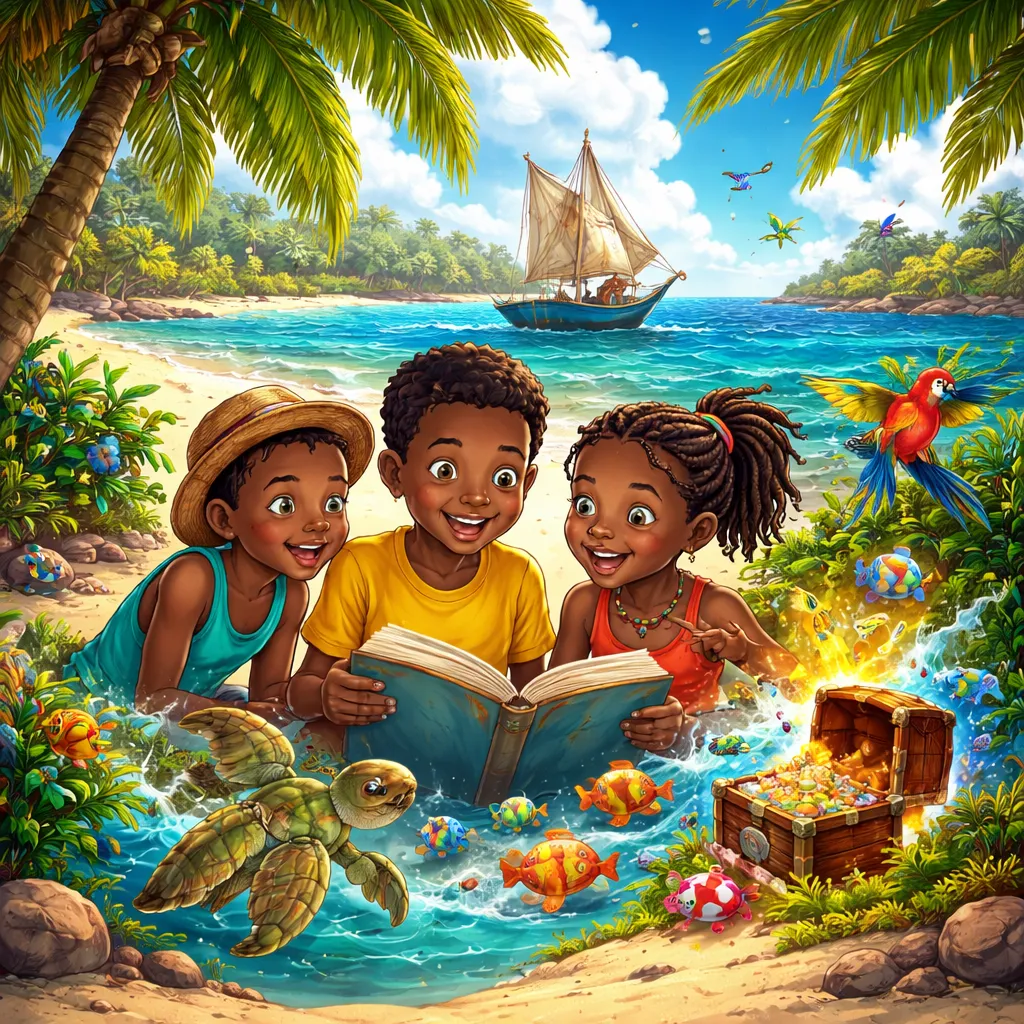

Introduction to Mozambique
Language learning transports us to a land where the Indian Ocean washes long, sandy shores. Today we explore a Southeast African nation with a stunning coastline and rich history. This country holds coral reefs, tropical islands, and a blend of African and Portuguese cultures. Children will discover a place where dhows still sail the waters as they did centuries ago. They will learn about unique animals and vibrant traditions. Exploring Mozambique builds reading skills while revealing a coastal paradise. Every fact opens a window to a world of ocean beauty. Every word invites young readers to imagine life along these tropical shores.
Where Is Mozambique?
Mozambique lies in Southeast Africa along the Indian Ocean. It stretches over one thousand five hundred miles of coastline. The country shares borders with Tanzania to the north, Malawi and Zambia to the northwest, Zimbabwe to the west, and South Africa and Eswatini to the southwest. The Indian Ocean forms its eastern boundary. The capital city is Maputo. Maputo sits in the south on a natural harbor. The country covers over three hundred thousand square miles. It ranks among the larger nations in Africa. The Zambezi River flows through the country. It ranks as one of Africa's great rivers. Finding Mozambique on a map shows a long, coastal country in southeastern Africa. Its location made it a crossroads for trade for centuries.
Interesting Facts About Mozambique
Mozambique offers many remarkable facts for young learners. It has some of the most beautiful coral reefs in the world. The Bazaruto Archipelago holds pristine reefs teeming with marine life. Sea turtles, dolphins, and dugongs swim in these waters. Another interesting fact involves its history. Mozambique was a Portuguese colony for nearly five hundred years. The country gained independence in 1975. Portuguese remains the official language today.
Mozambique also has a unique island. The Island of Mozambique served as the capital during Portuguese rule. A long bridge connects it to the mainland. The island holds stone buildings from the sixteenth century. Another fun fact involves animals. Gorongosa National Park protects a remarkable variety of wildlife. Elephants, lions, zebras, and hundreds of bird species live there. The park has become a major conservation success story.
The country also produces cashew nuts. Mozambique once ranked as the world's largest producer of cashews. The cashew tree arrived here centuries ago. Another interesting fact involves music. Mozambique has a unique instrument called the timbila. This wooden xylophone creates complex rhythms. UNESCO recognizes it as an important cultural heritage. These facts show children a country of ocean riches, wildlife, and cultural depth.
Key Vocabulary About Mozambique
Let us build vocabulary for this coastal nation. These words help children describe what they learn.
Archipelago: a group or chain of islands.
Coral Reef: a ridge of coral near the surface of water.
Dugong: a large marine mammal related to the manatee.
Colony: a territory controlled by another country.
Dhow: a traditional sailing boat used in the Indian Ocean.
Cashew: a nut that grows on a tropical tree.
Savanna: a grassy plain with scattered trees. Introduce these words with pictures and stories. Show the Bazaruto Archipelago with its clear waters. Show a dugong swimming. Let children say each word aloud. These vocabulary words give children the language to explore Mozambique's coastal and wildlife treasures.
Simple Sentences for Reading Practice
Short sentences help new readers build confidence. Use these sentences about Mozambique for practice.
Mozambique is a country in Southeast Africa.
The Indian Ocean forms its eastern border.
The capital city is Maputo.
Beautiful coral reefs lie off the coast.
The Island of Mozambique has old stone buildings.
Gorongosa National Park protects many animals.
People speak Portuguese in Mozambique. Read each sentence together. Let children point to the words. Encourage them to repeat after you. Use pictures to show each fact. These simple sentences prepare young readers for longer passages.
Short Reading Passage About Mozambique
Here is a short passage for children to read together.
“Mozambique stretches along the Indian Ocean coast of Southeast Africa. Warm waters lap its sandy beaches. Offshore, the Bazaruto Archipelago rises from the sea. Coral reefs surround these islands. Colorful fish dart among the corals. Sea turtles glide through clear waters. Dugongs graze on seagrass in sheltered bays. Long before modern times, sailors arrived in dhows. These wooden boats still sail the coast today. The Island of Mozambique holds history in its stones. A bridge connects the island to the mainland. Old buildings from Portuguese times stand there. In the countryside, the Zambezi River flows toward the sea. Gorongosa National Park shelters elephants, lions, and zebras on the savanna. Farmers grow cashew trees in the warm climate. The nuts from these trees become a popular snack. People speak Portuguese, the language from colonial times. They also speak many African languages. Mozambique offers ocean beauty, wild lands, and a rich cultural mix.”
Read this passage slowly together. Pause to talk about each idea. Ask children to find vocabulary words in the text. This activity builds reading fluency and deepens understanding.
Fun Questions About Mozambique
Questions make reading interactive and engaging. Use these to start conversations with young learners.
What ocean borders Mozambique to the east?
What is the capital city of Mozambique?
What animal lives in the waters of the Bazaruto Archipelago?
What country ruled Mozambique for nearly five hundred years?
What national park protects elephants and lions?
What nut does Mozambique produce? Let children answer in complete sentences. Encourage them to use new vocabulary. Ask them to imagine snorkeling on a coral reef. What fish would they see? Creative questions make the topic personal and exciting.
Tips for Learning English with This Topic
Use Mozambique to create rich English learning experiences. Start with a map activity. Let children find Mozambique on the southeast coast of Africa. Point out its long coastline and the Indian Ocean. Discuss how the ocean shaped its history and culture.
Next, introduce the vocabulary through a hands-on activity. Create a simple coral reef model using clay or paper. Let children add colorful fish, turtles, and a dugong. Talk about how reefs provide homes for sea life. For the dhows, fold paper boats and float them in water. Discuss how these traditional boats still carry goods and people.
Read the passage aloud with a sense of ocean calm and wildlife wonder. Let your voice reflect the beauty of the reefs. After reading, let children draw a scene from Mozambique. One child might draw a coral reef with colorful fish. Another might draw elephants in Gorongosa National Park. Let them label their drawings with vocabulary words. Add blue for the ocean and green for the savanna.
Incorporate a history and science connection. Talk about how Portuguese colonization shaped Mozambique's language and architecture. Discuss conservation efforts in Gorongosa National Park. This shows children that language learning reading connects to history and protecting nature.
Use music and movement to enhance the experience. Listen to Mozambican music with timbila rhythms. Let children move like sea turtles swimming or elephants walking. Physical activity reinforces learning in joyful ways.
Encourage children to share their knowledge. Let them tell a family member about the coral reefs of Mozambique or the dugongs that live there. They can explain what a dhow is and how people used it. Teaching others builds confidence and deepens understanding.
Connect Mozambique to your child's world. Ask, “What sea animals have we seen?” Compare them to dugongs and sea turtles. Ask about nuts you eat. Compare to cashews. Ask about boats you have seen. Compare to dhows. These connections help children see that language learning reading is about understanding different places and ways of life. By exploring Mozambique together, you give children a rich experience. They learn new words, discover a land of reefs and wildlife, and grow their love for reading. This Southeast African nation becomes a meaningful part of their learning journey.