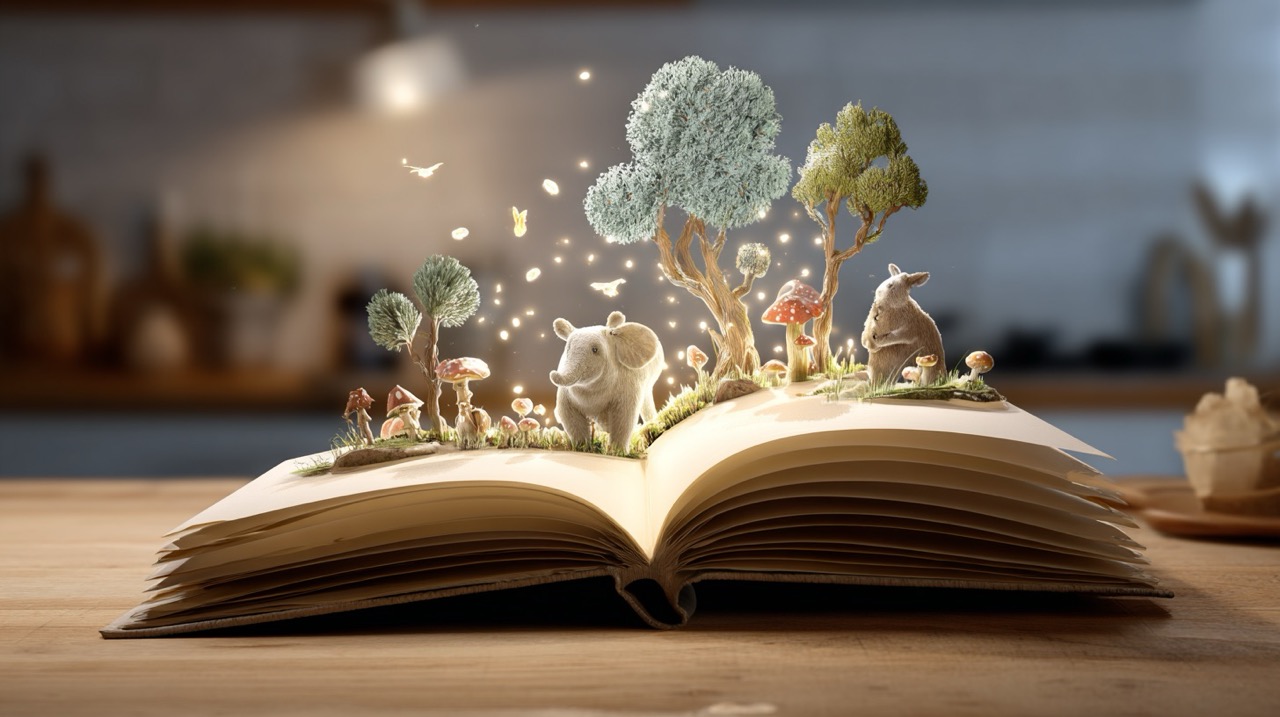

Reading is more than a skill—it’s a gateway to imagination, empathy, and lifelong learning.
When children read stories, they don’t just follow words on a page. They build worlds in their minds, connect with characters, and discover new ideas.
Let’s explore why reading is so important in children’s stories.
🌱 Builds Early Language Skills
- Stories introduce new words, phrases, and sentence patterns.
- Reading aloud strengthens phonics, rhythm, and pronunciation.
- Children who read regularly develop a larger vocabulary and stronger comprehension.
💭 Sparks Imagination
- A book is more than ink—it’s a world waiting to be explored.
- Children picture castles, forests, oceans, and planets in their heads.
- Imaginative reading nurtures creativity, helping kids invent their own stories later.
💓 Develops Empathy
- Through characters, children experience different emotions—joy, fear, bravery, kindness.
- They learn to see from another’s perspective, which builds compassion.
- Stories become a safe place to explore real-life feelings.
🧱 Builds Focus and Patience
- Reading a full story requires attention and memory.
- Unlike short videos, books encourage kids to slow down and follow a journey.
- This develops focus, patience, and critical thinking—skills needed in school and life.
👪 Strengthens Bonds
- Shared reading time with parents or teachers is more than learning.
- It’s warmth, laughter, and connection.
- A bedtime story or a classroom read-aloud creates memories that last forever.
🎯 Lifelong Benefits
Children who fall in love with stories are more likely to:
- Enjoy independent reading
- Perform better in school subjects
- Grow into adults who value knowledge and culture
✨ Final Thought
Reading children’s stories isn’t just about literacy.
It’s about giving kids the tools to imagine, to feel, and to dream.
Every page turned is a step toward a brighter, more creative future.
So open a book today—and let the stories begin.