
生活中的小尷尬
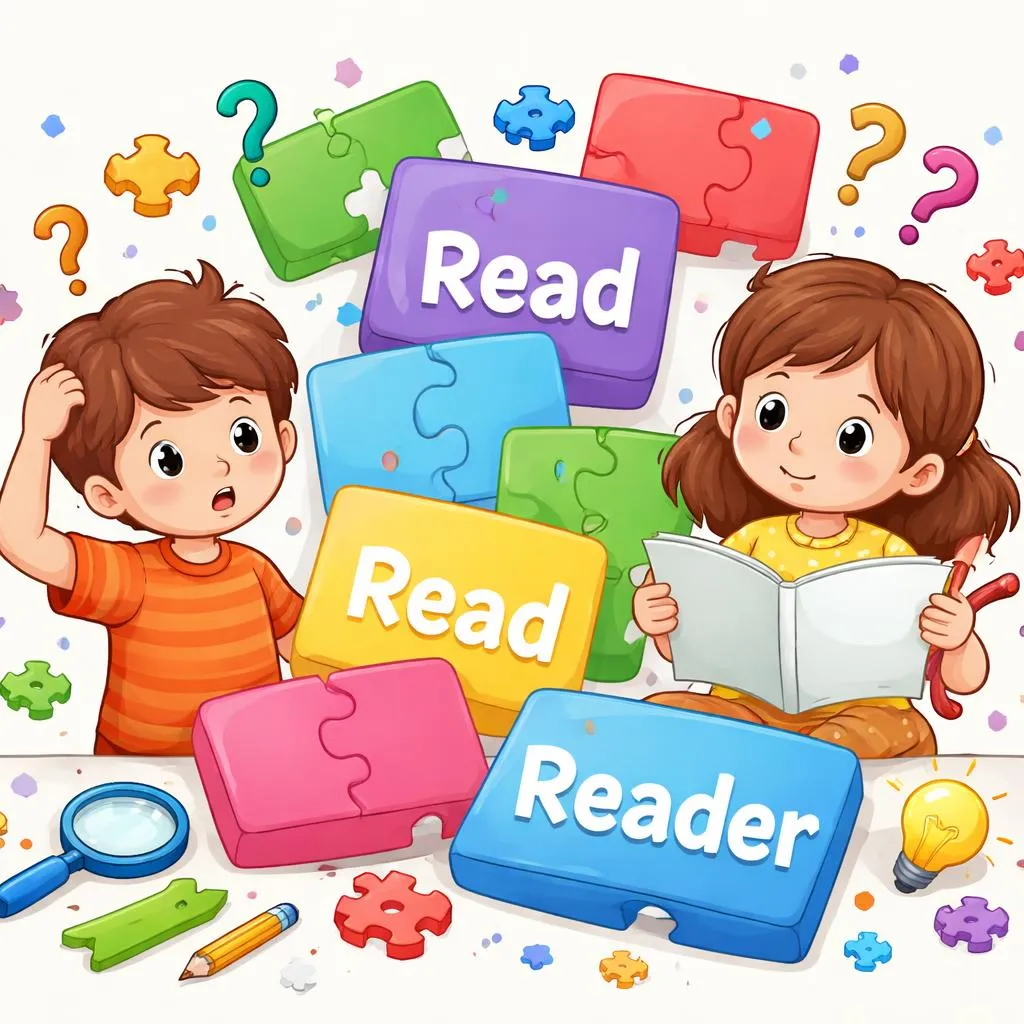
認識松鼠山姆。他喜歡書。上個星期一,山姆想說他看了文字。他喊道:「我是讀者!」大家都笑了。他們以為他說的是一個人。山姆覺得很傻。這發生在很多孩子身上。今天,我們學習一個詞彙家族。把它們想像成盒子裡的工具。每個工具都有特殊的工作。我們稱它們為「read」、「reading」、「read」、「reads」和「reader」。它們看起來很像,但作用不同。讀完這篇文章後,你將完全理解它們。
核心比較區:深度分析
山姆的一天仍在繼續。我們跟著他到處走。首先,認識這些成員。
「Read」是「看」的明星。它執行看文字的動作。我們稱它為「看明星」。 「Reading」是看的動作。它表示現在正在看文字的行為。我們稱它為「看動作」。 「Read」也是「被看」的標記。它表示看已經發生。我們稱它為「被看標記」。 「Reads」是「看」的明星。它表示某人經常看。我們稱它為「看明星」。 「Reader」是「看」的命名者。它命名看文字的人。我們稱它為「看命名者」。
現在,讓我們探索它們的五種區別。
時間維度
時鐘滴答作響。日曆翻頁。文字顯示事情發生的時間。
在家裡,山姆喜歡每天「read」。他現在正在「reading」。他昨天「read」了。他每晚都「reads」。他現在是一個「reader」。
在遊樂場,山姆看到孩子們「read」。他們在那裡「reading」。他上週「read」了。他經常「reads」。他看著那裡的一個「reader」。
在學校,山姆學習「read」。他現在正在「reading」。他今天早上「read」了。他在課堂上「reads」。他認識一個「reader」。
在大自然中,山姆看著一隻鳥「read」。它現在正在「reading」。它去年春天「read」了。它「reads」樹枝。它想像著一隻鳥「reader」。
每個詞都顯示時間。「Read」表示現在。「Reading」表示現在的動作。「Read」表示過去的動作。「Reads」表示習慣。「Reader」命名現在。
角色維度
文字有工作。一些動作。一些命名。
在家裡,「read」動作。「Read the book.」 「Reading」動作。「He is reading.」 「Read」描述過去。「He read yesterday.」 「Reads」動作。「He reads often.」 「Reader」命名。「He is a reader.」
在遊樂場,「read」動作。「Kids read signs.」 「Reading」動作。「They are reading.」 「Read」描述過去。「They read last week.」 「Reads」動作。「They read often.」 「Reader」命名。「They watch a reader.」
在學校,「read」動作。「Read the page.」 「Reading」動作。「He is reading.」 「Read」描述過去。「He read this morning.」 「Reads」動作。「He reads in class.」 「Reader」命名。「He knows a reader.」
在大自然中,「read」動作。「Bird reads twigs.」 「Reading」動作。「It is reading.」 「Read」描述過去。「It read last spring.」 「Reads」動作。「It reads twigs.」 「Reader」命名。「It imagines a bird reader.」
「看明星」動作。「看動作」表示正在做。「被看標記」表示已完成。「看明星」表示習慣。「看命名者」命名人。
夥伴維度
有些詞需要朋友。其他的單獨存在。
在家裡,「read」單獨存在。「Read book.」 「Reading」需要「is」或「are」。「He is reading.」 「Read」單獨存在。「He read.」 「Reads」單獨存在。「He reads.」 「Reader」需要「a」或「the」。「He is a reader.」
在遊樂場,「read」單獨存在。「Kids read.」 「Reading」需要「is」或「are」。「They are reading.」 「Read」單獨存在。「They read.」 「Reads」單獨存在。「They read.」 「Reader」需要「a」。「They watch a reader.」
在學校,「read」單獨存在。「Read page.」 「Reading」需要「is」。「He is reading.」 「Read」單獨存在。「He read.」 「Reads」單獨存在。「He reads.」 「Reader」需要「a」。「He knows a reader.」
在大自然中,「read」單獨存在。「Bird reads.」 「Reading」需要「is」。「It is reading.」 「Read」單獨存在。「It read.」 「Reads」單獨存在。「It reads.」 「Reader」需要「a」。「It imagines a bird reader.」
「看明星」是獨立的。「看動作」喜歡連繫動詞。「被看標記」是獨立的。「看明星」是獨立的。「看命名者」喜歡冠詞。
細微差別
小的選擇會改變含義。讓我們看看微小的差異。
在家裡,用「read book」表示動作。用「he is reading」表示正在進行。用「he read」表示過去。用「he reads」表示習慣。用「he is a reader」表示這個人。
在遊樂場,「kids read signs」表示動作。「they are reading」表示現在。「they read」表示過去。「they read」表示習慣。「they watch a reader」命名人。
在學校,「read the page」是任務。「he is reading」表示現在。「he read」表示過去。「he reads」是常規。「he knows a reader」描述人。
在大自然中,「bird reads twigs」是自然的。「it is reading」表示現在。「it read」表示過去。「it reads」是本能。「it imagines a bird reader」命名鳥。
使用「看明星」表示動作。使用「看動作」表示正在做。使用「被看標記」表示過去。使用「看明星」表示習慣。使用「看命名者」命名讀者。
陷阱
這部分很長。很多孩子都掉進了陷阱。我們一起修復它們。
陷阱一:將「reader」用作動詞。錯誤:「I reader the book.」 正確:「I read the book.」 為什麼?「Reader」是一個名詞。它命名一個人。它不能表示動作。只有「read」才能做到這一點。記憶提示:「Reader names, read acts.」
陷阱二:將「read」用作人。錯誤:「He is a read.」 正確:「He is a reader.」 為什麼?「Read」是一個動詞。它表示動作。它不能命名一個人。只有「reader」才能命名。記憶提示:「Read acts, reader names.」
陷阱三:將「reading」用作名詞。錯誤:「I have a reading.」 實際上「reading」可以是一個動名詞,但在我們的教學中,我們將其視為現在分詞。我們說:「I love reading.」 但陷阱:將其用作沒有動詞的獨立名詞。錯誤:「I have a reading.」 正確:「I am reading.」 為什麼?「Reading」表示動作。它不能單獨成為一件事。記憶提示:「Reading acts, not a thing.」
陷阱四:將「read」用作現在時,表示過去。錯誤:「I read now.」 實際上「read」是基本形式和過去時。上下文很重要。如果現在,使用「am reading」。記憶提示:「Now needs reading, past needs read.」
陷阱五:將「reads」用於過去的動作。錯誤:「He reads yesterday.」 正確:「He read yesterday.」 為什麼?「Yesterday」需要過去時。「Reads」是現在時。使用「read」表示過去。記憶提示:「Yesterday needs read, habit needs reads.」
陷阱六:在一句話中混淆所有五個。錯誤:「The read reading read reads reader.」 正確:「I read. I am reading. I read. He reads. He is a reader.」 現在清楚了。始終問:動作?正在進行?過去?習慣?人?記憶提示:「Action, ongoing, past, habit, person—pick one.」
陷阱七:使用「reader」而沒有冠詞。錯誤:「He is reader.」 正確:「He is a reader.」 為什麼?「Reader」是可數的。它需要「a」或「the」。記憶提示:「Reader needs ‘a’ or ‘the’.」
陷阱八:使用「reading」而沒有連繫動詞。錯誤:「He reading.」 正確:「He is reading.」 為什麼?「Reading」是現在分詞。它需要「is」或「are」。記憶提示:「Reading needs is or are.」
陷阱九:將「read」用作沒有助手的形容詞。錯誤:「Book read.」 實際上,這可以是簡單的過去式,但作為形容詞:「The book was read.」 不典型。更好:「He read the book.」 記憶提示:「Read is verb, not adjective.」
陷阱十:混淆「read」和「look」。錯誤:「I look the book.」 兩者都可以,但「read」專門用於文字。記憶提示:「Read is for words, look is general.」
陷阱十一:將「reads」用作單數。錯誤:「A reads is here.」 正確:「A read is here.」 或「Many reads are here.」 為什麼?「Reads」是複數。記憶提示:「Reads is plural, read is singular.」
陷阱十二:將「reader」用作複數。錯誤:「Two readers is here.」 實際上「readers」是複數。但我們只有「reader」作為單數。我們將其視為單數。記憶提示:「Reader is singular, add s for plural.」
這些陷阱會絆倒很多人。練習發現它們。很快你就會很容易地躲避它們。
詳細摘要
讓我們把它們聯繫起來。如果你談論看文字,使用「read」。如果你表示現在正在閱讀的行為,使用「reading」和「is」或「are」。如果你談論之前看,使用單獨的「read」。如果你談論經常看,使用「reads」。如果你命名看文字的人,使用「reader」和「a」或「the」。記住他們的夥伴。「Read」單獨存在。「Reading」喜歡連繫動詞。「Read」單獨存在。「Reads」單獨存在。「Reader」喜歡冠詞。請記住這些規則。你將掌握這個詞彙家族。
練習
任務 A:最佳選擇。填空。在兩個選項之間進行選擇。
場景:家。媽媽說:「___ the book.」 選項:Reader / Read。答案:Read。因為它是動作。
場景:遊樂場。山姆喊道:「I am ___ now!」 選項:Read / Reading。答案:Reading。因為它表示正在進行的動作。
場景:學校。老師說:「He ___ every day.」 選項:Read / Reads。答案:Reads。因為它表示習慣。
任務 B:鷹眼。查找並修復錯誤。閱讀段落。
「Yesterday, I reader the book. He is a read. She reading now. They have reads.」
修復:「Yesterday, I read the book. He is reading. She is reading now. They read.」
任務 C:成為導演。創建句子。使用兩種形式。
場景:家庭晚餐。使用「read」和「reader」。範例:We read stories. Dad is a reader.
場景:自然遠足。使用「read」和「reads」。範例:Bird read twig. It reads often.
你學到了什麼
你學會了區分 read、reading、read、reads 和 reader。你練習在真實場景中使用它們。你發現了常見的錯誤並修復了它們。你對選擇正確的詞語充滿信心。
你的行動步驟
今天在家裡讀一些東西。在晚餐時用「reader」說一句話。今天下午畫一隻鳥讀樹枝的圖畫。每天堅持練習。