

The Coral Reef
 Giggle Academy
This informative story explains how coral reefs are built by tiny animals, their relationship with algae, and their vital role in ocean ecosystems. Written in simple language, it introduces young readers to marine life, environmental challenges like coral bleaching, and the importance of reef conservation.
 6 - 10 let
Coral reefs are underwater structures made by tiny animals called coral polyps. They are found in warm, shallow oceans.
Each coral polyp has a soft body and a hard outer skeleton. Millions of polyps build the reef together over thousands of years.
Corals come in many shapes. Some look like branches, others like boulders, fans, or plates.
Corals are alive. They are related to jellyfish and sea anemones.
Corals have tiny stinging tentacles to catch plankton. They also get energy from algae that live inside their tissues.
The algae give corals their colors. They also make food using sunlight through photosynthesis.
Coral reefs are home to thousands of species. Fish, crabs, sea stars, and turtles all live here.
Reef fish use corals for shelter from predators. Some fish clean parasites from other fish.
Coral reefs protect coastlines from waves and storms. They act like natural barriers.
Reefs grow best in clear, warm water. They need sunlight to keep their algae healthy.
If water gets too warm, corals may expel their algae. This is called coral bleaching.
Bleached corals are weak and may die if stress continues. Pollution and overfishing also harm reefs.
Healthy reefs support food and income for millions of people. They are important to both nature and humans.
Many reefs are now in danger. Marine protected areas help keep them safe.
Coral reefs are colorful cities under the sea. They are worth protecting for the future.
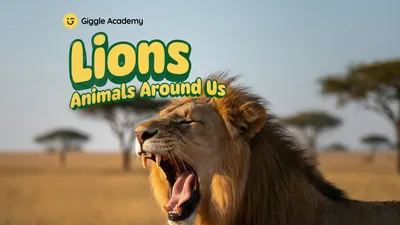 Lions
Lions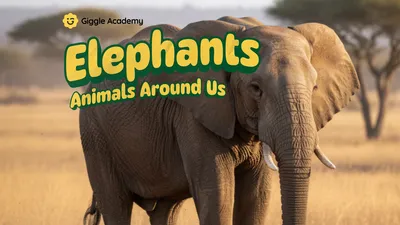 Elephants
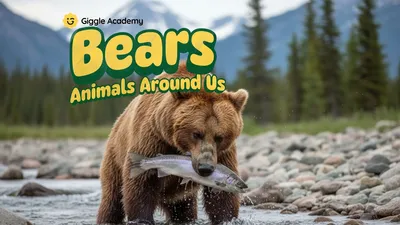 Bears
Bears Dogs
Dogs Cats
Cats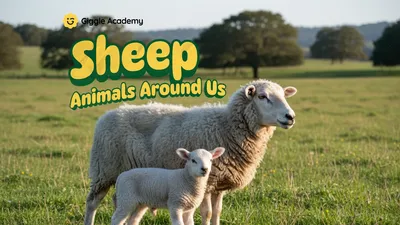 Sheep
Sheep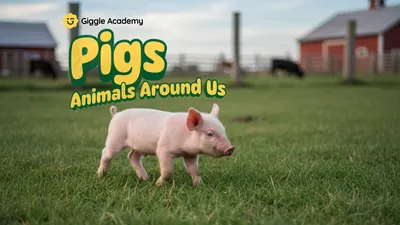 Pigs
Pigs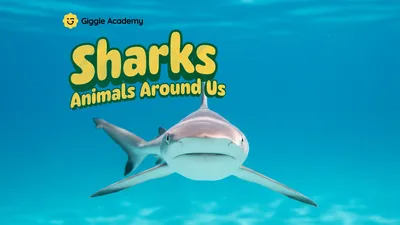 Sharks
 Sea Turtles
 Gorillas
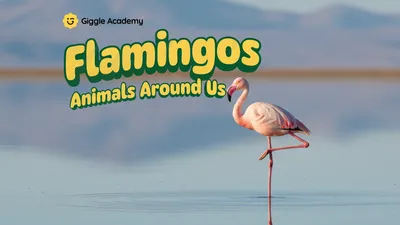 Flamingos
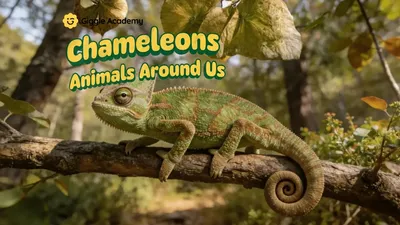 Chameleons
A simple, factual introduction to lions, describing their basic characteristics, habitat, and social behavior in a clear and concise manner. Part of the "Wild Animals Around Us" series.
A simple, factual book introducing young readers to elephants, focusing on their physical characteristics and behavior in a clear, concise manner, suitable for early vocabulary building.
A factual and clear nonfiction book that introduces young readers to bears, covering their physical characteristics, habitat, diet, and social groups. The book maintains a strictly scientific tone with no anthropomorphism.
A simple and factual picture book introducing young readers to dogs as pets, covering basic vocabulary and characteristics like fur, paws, food, water, and puppies. Designed in a documentary style with clear, calm language.
A simple, factual picture book that introduces young readers to cats as pets, covering basic characteristics and needs in a clear, documentary style.
This is a simple non-fiction book that introduces young readers to sheep. It covers where sheep live, what they eat, their physical characteristics like wool and legs, and the name for a baby sheep. The book also reinforces key vocabulary words.
This book introduces young children to pigs. It covers basic facts about where pigs live, what they look like, and some of their behaviors, like eating and enjoying mud. Simple vocabulary and repetitive sentence structures are used to help early readers build confidence.
An introductory book about sharks, detailing their physical characteristics like fins, tails, and teeth, and their habitat in the sea. It uses simple language to help young readers learn about these marine animals.
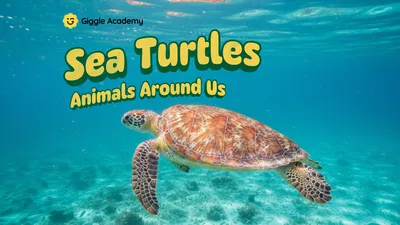
An introductory book about sea turtles, designed for early readers. It covers basic facts about their habitat, physical characteristics, and behaviors using simple language and high-frequency words.
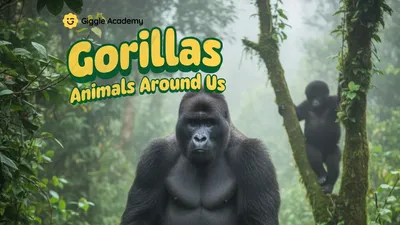
A simple and factual introduction to gorillas, exploring their habitat, physical characteristics, and behaviors through clear and concise language, suitable for young readers.
A factual, documentary-style picture book introducing young readers to the basic characteristics of flamingos, such as their habitat, physical features, diet, and social behavior.
A factual and clear picture book introducing young readers to chameleons, covering their physical characteristics, habitat, diet, and life cycle with strict scientific accuracy and no anthropomorphism.
© Copyright 2024 - Giggle Academy
上海吉咯教育科技有限公司
Copyright © 2026 - Giggle Academy