

Fossils Tell a Story
 Giggle Academy
This nonfiction story introduces young readers to fossils and paleontology through clear, factual descriptions. It explains how fossils form, different types of fossils, and their importance in uncovering Earth's ancient past. The tone is educational and engaging, suitable for children beginning to explore natural science.
 6 - 10 let
Fossils are the preserved remains or traces of ancient life. They tell the story of Earth’s past.
Most fossils form when plants or animals are buried in sediment. Over time, the sediment hardens into rock.
Bones and shells can turn into stone. Minerals replace the original material.
Some fossils show the shapes of plants. Leaves can leave clear impressions in rock.
Insects and small animals can be trapped in amber. Amber is hardened tree resin that preserves fine details.
Footprints and tracks can also become fossils. They show how animals walked or ran.
Fossils are often found in layers of rock. Deeper layers usually contain older fossils.
Ammonites were ancient sea animals with spiral shells. Their fossils are found all over the world.
Dinosaur skeletons are among the most famous fossils. They reveal the size and shape of long-extinct animals.
Paleontologists study fossils carefully. They use tools to uncover bones without breaking them.
Fossils can show what animals ate. Some skeletons are found with food inside their bodies.
Fossils also reveal ancient climates. Plant fossils show where forests, swamps, or deserts once existed.
Not every creature becomes a fossil. Most remains are destroyed before they can be preserved.
New fossil discoveries are made every year. They change how we understand Earth’s history.
Fossils are natural time capsules. They connect us to life from millions of years ago.
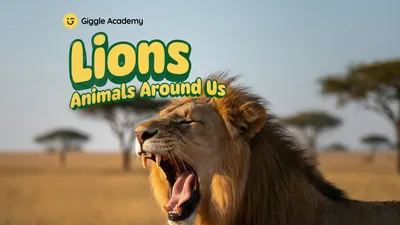 Lions
Lions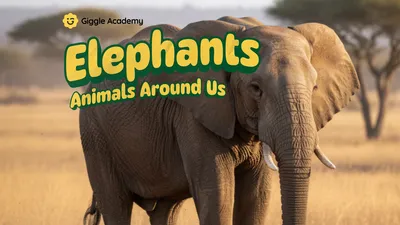 Elephants
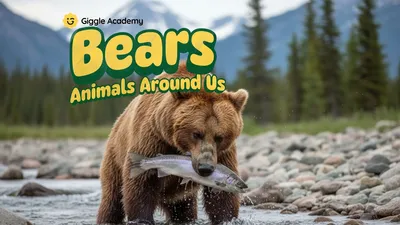 Bears
Bears Dogs
Dogs Cats
Cats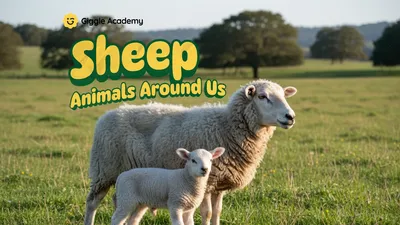 Sheep
Sheep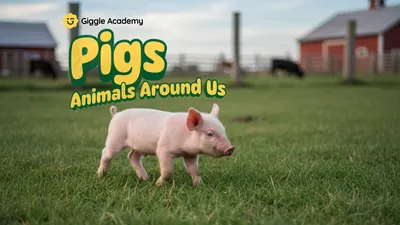 Pigs
Pigs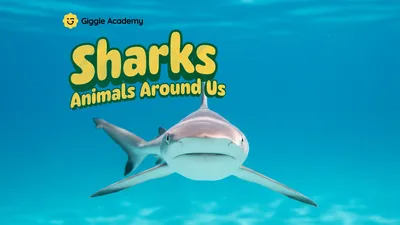 Sharks
 Sea Turtles
 Gorillas
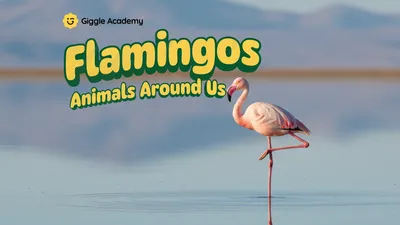 Flamingos
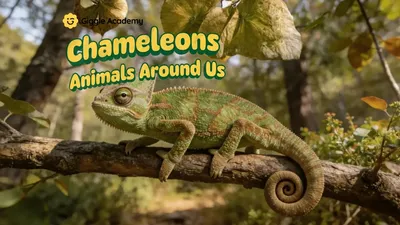 Chameleons
A simple, factual introduction to lions, describing their basic characteristics, habitat, and social behavior in a clear and concise manner. Part of the "Wild Animals Around Us" series.
A simple, factual book introducing young readers to elephants, focusing on their physical characteristics and behavior in a clear, concise manner, suitable for early vocabulary building.
A factual and clear nonfiction book that introduces young readers to bears, covering their physical characteristics, habitat, diet, and social groups. The book maintains a strictly scientific tone with no anthropomorphism.
A simple and factual picture book introducing young readers to dogs as pets, covering basic vocabulary and characteristics like fur, paws, food, water, and puppies. Designed in a documentary style with clear, calm language.
A simple, factual picture book that introduces young readers to cats as pets, covering basic characteristics and needs in a clear, documentary style.
This is a simple non-fiction book that introduces young readers to sheep. It covers where sheep live, what they eat, their physical characteristics like wool and legs, and the name for a baby sheep. The book also reinforces key vocabulary words.
This book introduces young children to pigs. It covers basic facts about where pigs live, what they look like, and some of their behaviors, like eating and enjoying mud. Simple vocabulary and repetitive sentence structures are used to help early readers build confidence.
An introductory book about sharks, detailing their physical characteristics like fins, tails, and teeth, and their habitat in the sea. It uses simple language to help young readers learn about these marine animals.
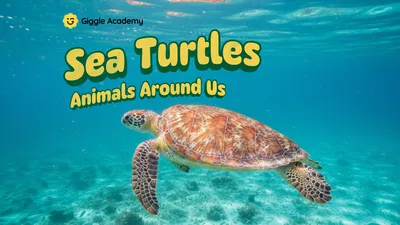
An introductory book about sea turtles, designed for early readers. It covers basic facts about their habitat, physical characteristics, and behaviors using simple language and high-frequency words.
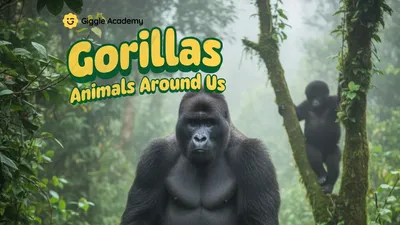
A simple and factual introduction to gorillas, exploring their habitat, physical characteristics, and behaviors through clear and concise language, suitable for young readers.
A factual, documentary-style picture book introducing young readers to the basic characteristics of flamingos, such as their habitat, physical features, diet, and social behavior.
A factual and clear picture book introducing young readers to chameleons, covering their physical characteristics, habitat, diet, and life cycle with strict scientific accuracy and no anthropomorphism.
© Copyright 2024 - Giggle Academy
上海吉咯教育科技有限公司
Copyright © 2026 - Giggle Academy