

The Map on Your Fingertips: The Secret of Fingerprints
 Sluvk
SluvkAn engaging non-fiction story for young readers that explores the fascinating world of fingerprints. It explains what fingerprints are, why we have them, their unique nature, and how they are used in everyday life and by professionals. Perfect for curious minds wanting to understand a little bit about their own body's amazing features.
 6 - 10 let
I am looking at the palms of my hands. My hands can do so many things: paint a picture, play with clay, or give a big hug to a teddy bear. But when I look very closely at the tips of my fingers, I see tiny, swirling lines. These are my Fingerprints.
If I use a magnifying glass to look even closer, those lines look like tiny mountains and valleys. They aren't just there to look pretty. They have a very important job! Imagine if our fingers were as smooth as a piece of glass—everything would just slide right out of our hands.
The first secret is this: Fingerprints help us grip things. Those tiny ridges create something called Friction. It’s like the "treads" on a car tire that help it grab the road. Because of my fingerprints, I can pick up a glass of water or a tiny marble without it slipping away.
The biggest secret of all is that no two people in the whole world have the exact same fingerprints. Even though there are billions of people on Earth, your fingerprints are yours alone. You have a "secret code" on your fingertips that belongs only to you!
Even identical twins, who look exactly like two drops of water, have different fingerprints. They might have the same eyes and the same hair, but their "finger-maps" are different. This makes your fingerprints the most special signature nature has ever given you.
Our fingerprints never change. From the time you are a tiny baby until you grow up to be a grandparent, those patterns stay exactly the same. They just get bigger as your hands grow, but the "map" stays the same forever!
How can we see our fingerprints more clearly? Our skin has a little bit of oil and sweat on it. When you touch a clean window or a mirror, you leave an invisible "copy" of your print behind. Police officers use special powder to find these hidden marks to see who was there.
Scientists found that there are three basic types of patterns. The first is an Arch, which looks like a tiny hill. The second is a Loop, which looks like a curling wave. And the third is a Whorl, which looks like a circle or the center of a flower.
Do you know when these fingerprints appear? They were made long before you were born, while you were still growing inside your mother’s tummy. The way you moved and touched your surroundings helped create these one-of-a-kind patterns.
Today, fingerprints are used like a magic key. Instead of remembering a long password, I can just touch my finger to a phone or a computer to unlock it. The computer "reads" my tiny ridges and says, "Hello! I know it’s you!"
If you dip your fingers in paint and press them on paper, you can make beautiful art. I can turn a round fingerprint into a bunny by adding ears, or into a caterpillar by making a long line of prints. This is art that only I can make!
My hands are truly amazing! They don't just help me work and play; they carry the secret of how special I am. Every time I look at my fingertips, I am proud to know that I am a unique person in this big, wide world.
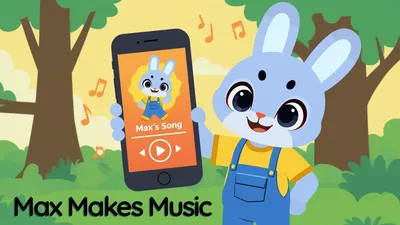 Max Makes Music
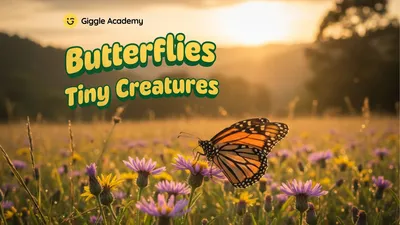 Butterflies
 Max Makes Music + Quiz
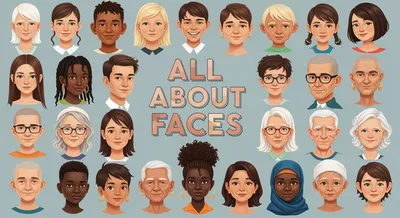 All About Faces for Beginning Readers
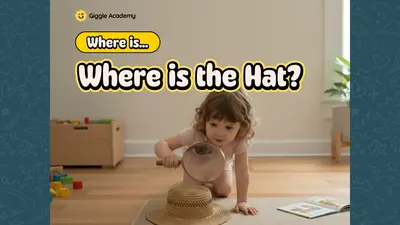 Where is the Hat?
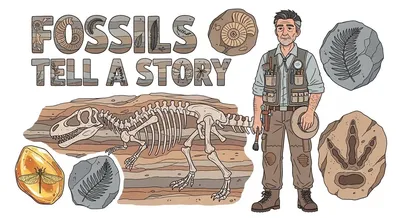 Fossils Tell a Story
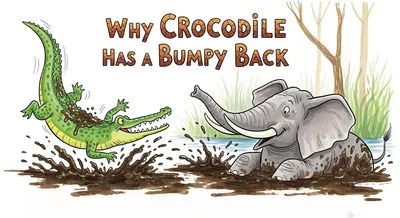 Why Crocodile Has a Bumpy Back
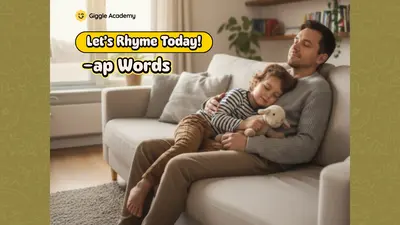 Let’s Rhyme Today! (–ap words)
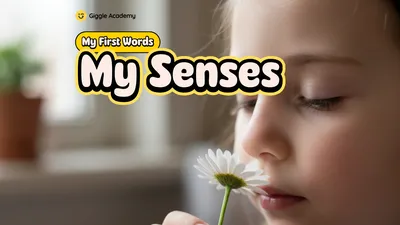 My Senses
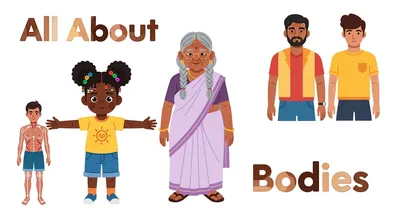 All About Bodies for Beginning Readers
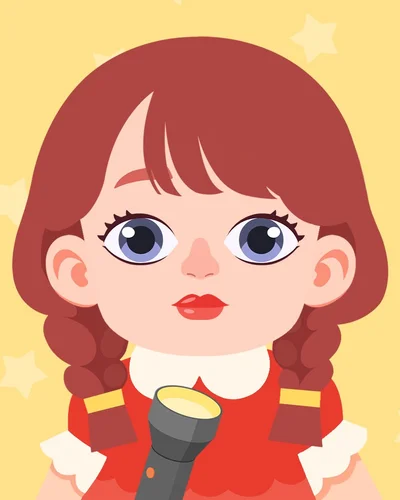 Ella's Torch Game
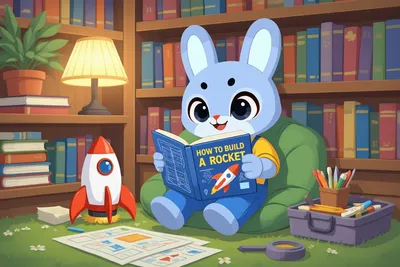 Max and the Pattern Puzzle Rocket
Max the musician creates his own song by layering six fun sounds like tap, snap, and clap. Along the way, children explore rhyming -ap family words and discover how music and language can work together!
Discover the amazing world of butterflies in this factual and wonder-filled reader. Learn about their colorful wings, unique feeding habits, incredible life cycle from egg to chrysalis, and the astonishing journeys some take across vast distances, all while helping flowers grow.
Max the musician creates his own song by layering six fun sounds like tap, snap, and clap. Along the way, children explore rhyming -ap family words and discover how music and language can work together!
Beginning Reader level: This educational book celebrates the diversity and wonder of human faces. It explores different facial features like eyes, noses, mouths, and hair, explaining their functions and highlighting the unique variations that make each person special.
A simple and repetitive story perfect for early readers, introducing basic vocabulary and concepts of location with a hat, a cap, and a bat.
This nonfiction story introduces young readers to fossils and paleontology through clear, factual descriptions. It explains how fossils form, different types of fossils, and their importance in uncovering Earth's ancient past. The tone is educational and engaging, suitable for children beginning to explore natural science.
A charming and playful tale explaining why the crocodile has a bumpy back. Told with a lighthearted and fun tone, it follows Crocodile's love for cleanliness and how a dry season leads him to discover the beauty of his unique, bumpy skin. Perfect for young children who enjoy animal stories with a gentle moral about accepting oneself.
A simple rhyming story that explores words ending with the "ap" sound through short, playful sentences.
An early reader book that introduces the five human senses and the body parts associated with each, using simple language and realistic illustrations for recognition and understanding.
Beginning Reader level: A non-fiction book for children aged 3-5 that explores the different parts of the human body and their functions.
Ella found a torch in her room. She explores different parts of her face. Read with us to see what happened.
Max builds a rocket that flies him to the moon. But how will be get home again?
© Copyright 2024 - Giggle Academy
上海吉咯教育科技有限公司
Copyright © 2026 - Giggle Academy