

Deep Sea Creatures
 Giggle Academy
An informative and engaging introduction to the mysterious deep sea, exploring its unique environment and diverse creatures through clear, simple language suitable for young readers.
 6 - 10 ετών
The deep sea begins where sunlight cannot reach. It is cold, dark, and under great pressure.
Some parts of the deep sea are more than 6,000 meters below the surface. Few animals can survive in these conditions.
Many deep-sea creatures make their own light. This is called bioluminescence.
The anglerfish uses a glowing lure to attract prey. It lives in the dark waters of the midnight zone.
The gulper eel has a huge mouth. It can swallow fish almost as big as itself.
The vampire squid is not a true squid or octopus. It has webbed arms and glows in the dark.
The giant isopod is a large deep-sea crustacean. It scavenges food that falls from the surface.
The dumbo octopus has ear-like fins on its head. It lives on the deep ocean floor.
Marine snow is made of tiny bits of dead plants and animals. It drifts down from the surface as food for deep-sea life.
Some deep-sea creatures have very large eyes. They use them to see faint light in the darkness.
Others have no eyes at all. They use touch or smell to find food.
Deep-sea animals often grow slowly and live for many years. Food is scarce in their world.
Scientists explore the deep sea with special submarines. These machines can handle the high pressure.
The deep sea is Earth’s largest habitat. It is full of strange and fascinating life.
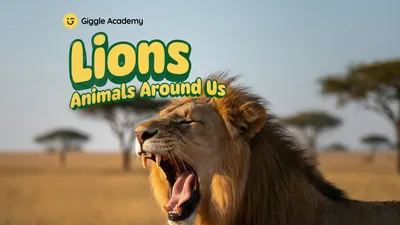 Lions
Lions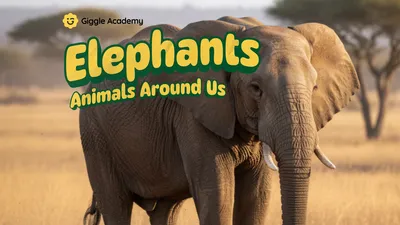 Elephants
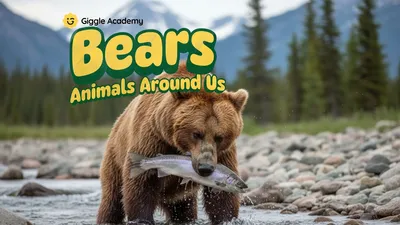 Bears
Bears Dogs
Dogs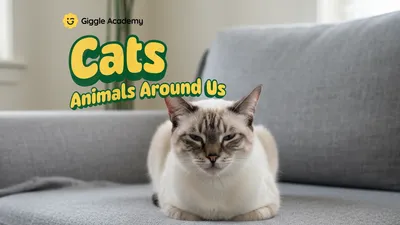 Cats
Cats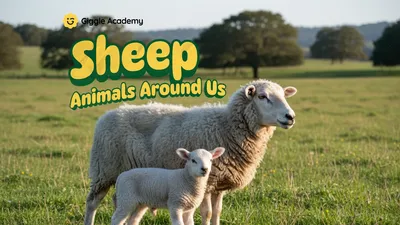 Sheep
Sheep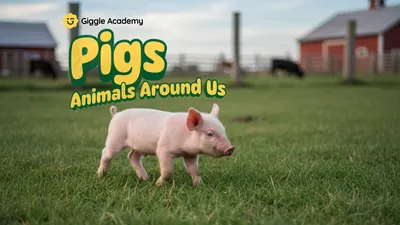 Pigs
Pigs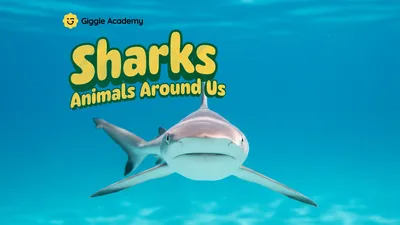 Sharks
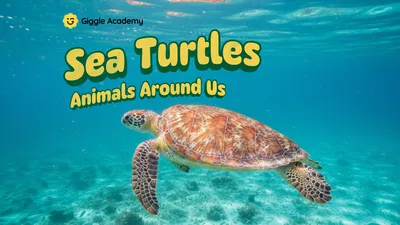 Sea Turtles
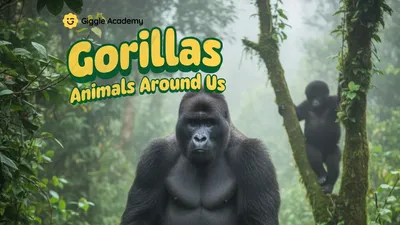 Gorillas
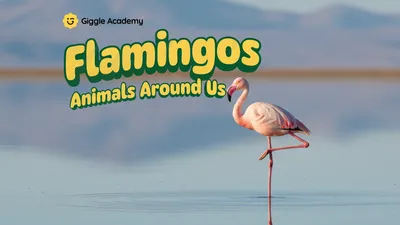 Flamingos
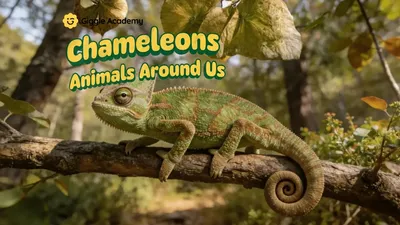 Chameleons
A simple, factual introduction to lions, describing their basic characteristics, habitat, and social behavior in a clear and concise manner. Part of the "Wild Animals Around Us" series.
A simple, factual book introducing young readers to elephants, focusing on their physical characteristics and behavior in a clear, concise manner, suitable for early vocabulary building.
A factual and clear nonfiction book that introduces young readers to bears, covering their physical characteristics, habitat, diet, and social groups. The book maintains a strictly scientific tone with no anthropomorphism.
A simple and factual picture book introducing young readers to dogs as pets, covering basic vocabulary and characteristics like fur, paws, food, water, and puppies. Designed in a documentary style with clear, calm language.
A simple, factual picture book that introduces young readers to cats as pets, covering basic characteristics and needs in a clear, documentary style.
This is a simple non-fiction book that introduces young readers to sheep. It covers where sheep live, what they eat, their physical characteristics like wool and legs, and the name for a baby sheep. The book also reinforces key vocabulary words.
This book introduces young children to pigs. It covers basic facts about where pigs live, what they look like, and some of their behaviors, like eating and enjoying mud. Simple vocabulary and repetitive sentence structures are used to help early readers build confidence.
An introductory book about sharks, detailing their physical characteristics like fins, tails, and teeth, and their habitat in the sea. It uses simple language to help young readers learn about these marine animals.
An introductory book about sea turtles, designed for early readers. It covers basic facts about their habitat, physical characteristics, and behaviors using simple language and high-frequency words.
A simple and factual introduction to gorillas, exploring their habitat, physical characteristics, and behaviors through clear and concise language, suitable for young readers.
A factual, documentary-style picture book introducing young readers to the basic characteristics of flamingos, such as their habitat, physical features, diet, and social behavior.
A factual and clear picture book introducing young readers to chameleons, covering their physical characteristics, habitat, diet, and life cycle with strict scientific accuracy and no anthropomorphism.
© Πνευματικά δικαιώματα 2024 - Giggle Academy
上海吉咯教育科技有限公司