

CACAO
 Sluvk
SluvkDiscover the incredible journey of the Cacao tree, from its hidden life in the Amazon rainforest to the delicious chocolate we know today. Learn about its unique biology, the tiny creatures that pollinate it, and the magical transformation of beans into a beloved treat, all while understanding its ecological importance.
 8 - 12 años
Hidden beneath the giant canopy of the Amazon rainforest and the tropical regions of West Africa grows a medium-sized tree that holds the world’s most beloved secret. While its fruit doesn't look particularly appetizing at first glance, this tree is the source of one of humanity's greatest treasures: chocolate. Known scientifically as Theobroma cacao, a name that literally translates to "Food of the Gods," the Cacao tree is a biological wonder that connects the ancient past with every chocolate bar enjoyed today.
The most unusual biological trait of the Cacao tree is a phenomenon called cauliflory. Unlike most trees where flowers and fruits grow on new, thin branches at the tips, the Cacao tree produces its blossoms and pods directly on its main trunk and thick, old branches. This is a brilliant evolutionary strategy that allows the tree to support the heavy weight of its large fruit—which can grow to the size of a small football—without breaking its delicate upper branches.
The flowers of the Cacao tree are tiny, delicate, and star-shaped, appearing in thousands all over the bark. However, despite their beauty, they have no scent that humans can detect. Because they are so small and grow in the deep shade of the forest, they have a very special "partnership" for pollination. They don't rely on bees or birds, but on tiny, almost invisible flies called midges (specifically Forcipomyia). These "secret agents" of the forest are the only creatures small enough to navigate the complex structure of the cacao flower.
Once pollinated, the flowers transform into cacao pods. These pods come in a stunning array of colors, from bright yellow and neon orange to deep purple and ruby red. The thick, leathery husk of the pod is designed to protect the precious cargo inside from the heavy rains and hungry animals of the rainforest. It takes about five to six months for a pod to fully ripen, changing color to signal to the forest that its treasures are ready to be discovered.
If you were to crack open a fresh cacao pod, you wouldn't see anything that looks like chocolate. Instead, you would find 20 to 50 large seeds—the cacao beans—nestled in a thick, sticky, snow-white pulp. This pulp is actually delicious; it tastes sweet and tangy, like a mix of lychee, mango, and pineapple. In the wild, monkeys and other animals eat this sweet pulp and spit out the bitter seeds, helping the tree spread its "children" across the forest floor.
The transformation from a bitter bean to a chocolate bar is a long and magical process called fermentation. After the pods are harvested, the beans and their sweet pulp are piled together and covered with banana leaves. For about a week, natural yeasts and bacteria "cook" the beans. This process is where the chocolate flavor is actually born; without fermentation, the beans would just taste bitter and nutty, never developing the rich aroma we love.
After fermentation, the beans are dried under the tropical sun and then roasted. Roasting is the final "chemical wake-up call" that turns the beans dark brown and creates the classic chocolate smell. Historically, the Maya and Aztec civilizations were the first to master this process. They valued cacao so much that they used the beans as currency—you could actually buy a rabbit for ten beans or a forest slave for a hundred! To them, chocolate was "liquid gold."
Scientifically, cacao is a "chemical powerhouse." It contains a unique molecule called theobromine, which is similar to caffeine but provides a much gentler, longer-lasting energy boost. It is also packed with antioxidants called flavonoids, which help protect the heart and improve blood flow to the brain. This is why dark chocolate, which contains a high percentage of cacao, is often considered a "superfood" that can make you feel happy and focused.
The Cacao tree is also a hero of ecology. It is a "shade-loving" plant, meaning it grows best under the protection of taller forest trees like mahogany or rubber trees. This encourages farmers to practice agroforestry, where they keep the rainforest intact instead of cutting it down to make open fields. By eating sustainable chocolate, we are actually helping to protect the homes of thousands of tropical birds and animals.
In the world of botany, the Cacao tree is considered quite fragile. It can only grow in a narrow band around the Earth's equator, where the temperature is always warm and the air is always humid. It is very sensitive to wind and drought, which is why it hides in the calm, moist understory of the jungle. This fragility makes every single cacao pod a precious result of perfect environmental conditions.
The seeds of the cacao are not just for eating; they are also the source of cocoa butter. This is the natural fat found in the beans. It is so smooth and melts so perfectly at human body temperature that it is used not only to make chocolate melt in your mouth but also as a high-quality ingredient in lotions and lip balms. It is one of the most stable and moisturizing fats found in nature.
The story of the Cacao tree is a narrative of patience and transformation. It teaches us that some of the most wonderful things in life don't start out sweet—they require time, heat, and the help of tiny friends to reach their full potential. It stands as a reminder that the "Food of the Gods" is a gift from the rainforest that we must cherish and protect for the future.
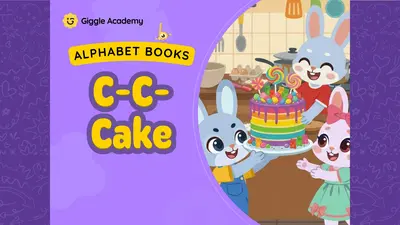 C - C - Pastel
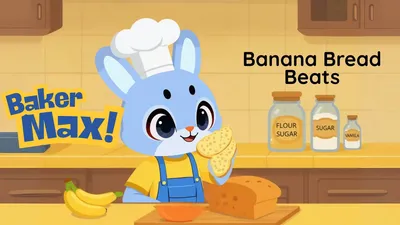 Panadero Max: Ritmos de Pan de Banana
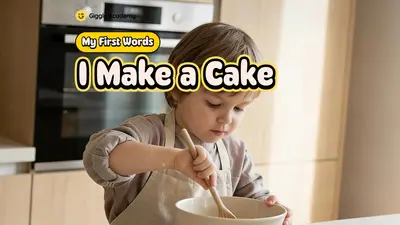 Hago un pastel
 Panadero Max: Ritmos de Pan de Banana + Cuestionario
 ¡Hola!
 La aventura de Brócoli
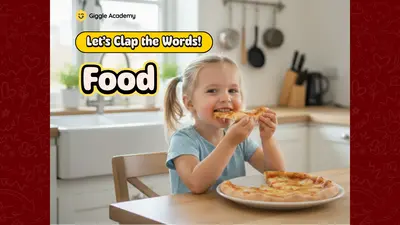 ¡Aplaudamos la palabra! (Comida)
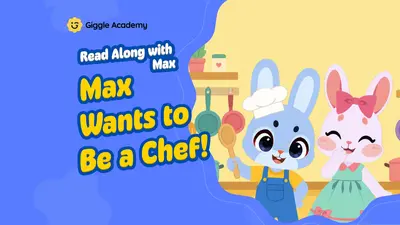 Max quiere ser chef
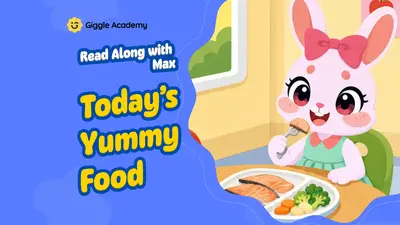 La deliciosa comida de hoy
 Bibo and Mischievous Mess
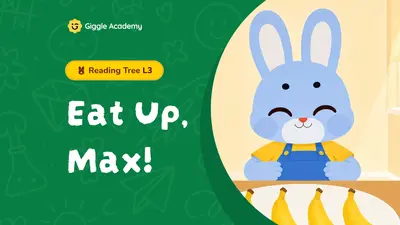 ¡Come todo, Max!
Una rima sencilla y repetitiva que introduce a los niños a palabras que comienzan con la letra 'C', ayudando con la fonética temprana y el vocabulario.
En esta divertida historia, Max se convierte en un alegre chef que hornea pan de banana mientras explora las sílabas de cada ingrediente. Los niños pueden aplaudir junto con Max mientras aprenden a dividir palabras como ba-na-na, man-te-qui-lla y ha-ri-na en sílabas, ¡haciendo que la alfabetización temprana sea divertida y sabrosa!
Este sencillo libro para primeros lectores muestra a un niño haciendo un pastel, destacando cada paso e ingrediente. Está diseñado para introducir vocabulario básico y secuencias en un entorno de cocina realista y tranquilo.
En esta divertida historia, Max se convierte en un alegre chef que hornea pan de banana mientras explora las sílabas de cada ingrediente. ¡Los niños pueden aplaudir junto con Max mientras aprenden a dividir palabras como ba-na-na y man-te-qui-lla en sílabas, haciendo que el aprendizaje temprano sea divertido y sabroso!
¡Max se está preparando para su fiesta de cumpleaños! A medida que llegan sus amigos, se saludan con "Hola" y "Hola". Una historia sencilla y divertida para ayudar a los jóvenes estudiantes a practicar sus primeros saludos.
Acompaña a Brócoli, un perro juguetón, mientras descubre la amistad y la diversión en un mundo grande y ajetreado.
Esta divertida historia introduce a los niños pequeños a varios alimentos y sus características, al tiempo que incorpora una actividad de aplausos para ayudar con la conciencia fonológica.
Max quiere ser chef y, junto a su amiga Lily, intenta hornear un pastel. Su aventura culinaria se convierte rápidamente en una travesura desordenada y graciosa que involucra huevos, harina, miel e incluso algunos visitantes inesperados en forma de abejas, lo que finalmente resulta en un pastel pequeño, divertido y delicioso.
Una historia divertida y repetitiva que presenta diferentes alimentos para cada día de la semana, con sonidos y acciones sencillas para niños pequeños.
Bibo, a playful bunny, loves his toys but hates cleaning up! One day, he discovers Sweepy, a magical dustpan with a giggly smile and sparkly powers. Together, they tackle the mess. Can Bibo learn the magic of responsibility? Join their adventure!
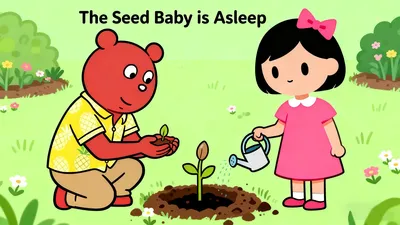
El viaje de crecimiento de Cuz
Una historia sencilla sobre la alegría de Max al comer diversos alimentos coloridos, perfecta para niños muy pequeños que están aprendiendo a contar y a conocer diferentes comestibles.
© Copyright 2026 - Academia Giggle
上海吉咯教育科技有限公司
Copyright © 2026 - Giggle Academy