

Panda Teaches Size: Big – Small
 Panda Education
Join Panda as he patiently teaches little Coco the concepts of 'big' and 'small'. Through playful interactions with everyday objects, Coco learns to distinguish sizes, overcoming her initial confusion with the help of her kind teacher. A charming story about learning and discovery.
 2 - 5 سالگی
Panda wants to teach the words big and small. But little Coco keeps mixing them up and feels confused.
Panda sits beside Coco: “Don’t worry. We learn slowly.” Coco breathes out and listens carefully.
Panda shows a big red ball. Coco whispers: “Big?”
Coco points to a tiny button and says: “Big!” Panda smiles and shakes his head: “That is small.”
Panda places the tiny button in Coco’s hand. Coco giggles: “Small!”
Panda rolls the big ball across the floor. Coco shouts: “Big ball!”
Coco tries lifting the big ball but falls gently onto Panda. Both burst into laughter.
Panda asks: “Big? Small?” Coco points at each object thoughtfully.
Coco says clearly: “Big ball. Small button!” Panda claps happily.
Coco cheers: “I know size now!”
 Opposites are Everywhere
 Too Big
 Insects
 Little Bear Brushes Teeth
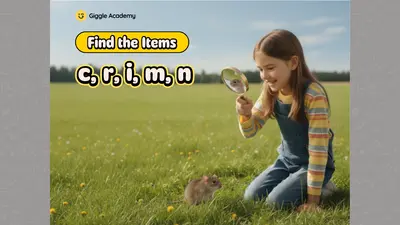 Find the Items (c, r, i, m, n)
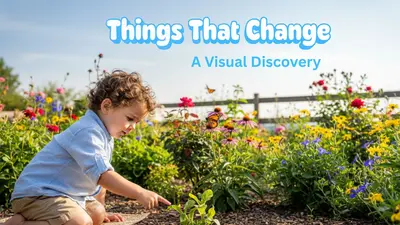 Things That Change
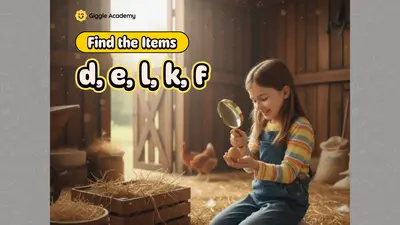 Find the Items (d, e, l, k, f)
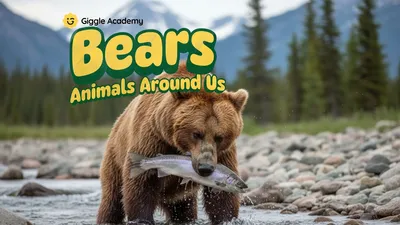 Bears
Bears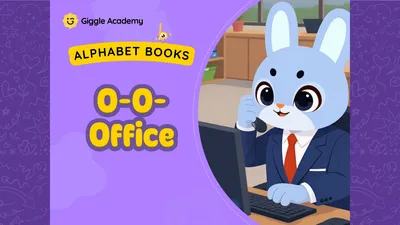 O - O - Office
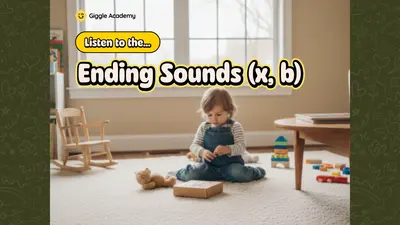 Listen to the Ending Sounds! (x, b)
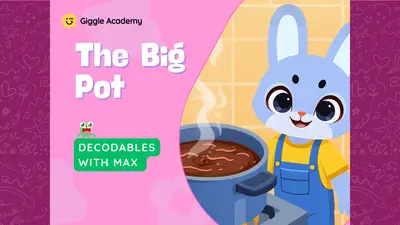 The Big Pot
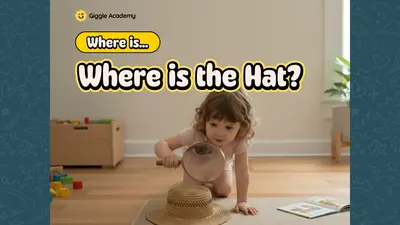 Where is the Hat?
This is a simple story for young children about opposites. The story introduces pairs of contrasting concepts such as big and small, tall and short, loud and quiet, hot and cold, and full and empty, using examples with characters and everyday objects.
Lulu loves her tent, but when big Ollie tries to join, it's a tight squeeze! Follow Lulu and Ollie as they creatively find a way for both of them to enjoy the tent together, celebrating friendship and ingenuity.
This early reader introduces young children to common insects like dragonflies, butterflies, and bees through simple sentences and clear, realistic illustrations. It focuses on vocabulary building and observation of the natural world, highlighting the small size of these creatures without anthropomorphism or complex narratives. Perfect for developing early science recognition and language skills.
A warm, gentle, and encouraging board book for toddlers about Little Bear learning to brush his teeth. Simple, playful, and reassuring, it guides young children through the teeth-brushing routine.
This simple story introduces young readers to basic objects and asks them to identify what they see, encouraging observation and vocabulary development.
This simple and insightful story explores the concept of change through everyday examples, like seeds becoming plants and caterpillars turning into butterflies. It concludes with a comforting message about personal growth, making it perfect for young readers to learn about evolution and development.
A simple and repetitive story that introduces young children to basic descriptive words and encourages observation and questioning.
A factual and clear nonfiction book that introduces young readers to bears, covering their physical characteristics, habitat, diet, and social groups. The book maintains a strictly scientific tone with no anthropomorphism.
This playful phonics story follows Max through a busy animal office, where he works alongside funny coworkers whose names all start with O—like ox, otter, and octopus. With one word per page and bright, amusing illustrations from their workday, children hear and repeat the short letter o sound /ɒ/, building strong sound–letter connections.
A playful and simple rhyming story that introduces young readers to basic words and sounds, with a fun, surprising ending.
A very simple story about a pot that causes a problem, leading to upset parents, but ultimately ending with comforting hugs. Ideal for very young readers learning basic words and emotions.
A simple and repetitive story perfect for early readers, introducing basic vocabulary and concepts of location with a hat, a cap, and a bat.
© کپیرایت 2024 - آکادمی گیگل
上海吉咯教育科技有限公司
حقوق چاپ © 2026 - Giggle Academy