

The Metal Bird: How Do Airplanes Fly?
 Sluvk
SluvkAn engaging explanation for children about how airplanes fly, covering concepts like thrust, lift, drag, and gravity in simple and relatable terms. It demystifies the mechanics of flight and sparks curiosity about science and engineering.
 6 - 10 bliain d’aois
I am standing at the airport window, watching a massive airplane. It is longer than a house and heavier than a whole herd of elephants. It has no feathers, and its wings are stiff and still. How can something this heavy ever leave the ground? It seems like it should just stay on the grass like a big bus.
The airplane starts its engines. Vroom! It begins to roll down the long, flat runway. It goes faster and faster until the trees are just a blur. This is the first secret: Airplanes need speed. To fly, a plane must move through the air very, very quickly. It’s like a swimmer needing to move their arms to stay on top of the water.
What makes the plane go so fast? The giant engines under the wings are like super-powerful fans. They suck in air from the front and blow it out the back with a giant "Whoosh!" This is called Thrust. It’s like blowing up a balloon and letting it go—the air goes one way, and the plane shoots the other way!
I look closely at the wings. They aren't just flat boards. They have a special curved shape called an Airfoil. The top of the wing is curved like a little hill, but the bottom is mostly flat. This shape is the magic key that unlocks the sky.
As the plane speeds forward, it slices through the air. The air hitting the wing has to split up. Some air goes over the "hill" on top, and some air goes under the flat bottom. Because the top is a longer path, the air on top has to "run" faster to meet its friends at the back of the wing.
When air moves fast, it becomes "lighter" and pushes less. Because the air on top is racing, it doesn't push down very hard. But the slower air on the bottom pushes up with a lot of strength! This upward push is called Lift. When the plane goes fast enough, the Lift becomes stronger than the weight of the plane, and—Up we go!
As the plane flies, it has to push through the air, but the air tries to hold it back. Think about putting your hand out of a car window—you feel the wind pushing your hand backward. This "backward pull" is called Drag. To keep flying, the engines (Thrust) must always be stronger than the Drag.
Flying is like a four-way tug-of-war in the sky. Thrust pulls forward, Drag pulls back, Gravity pulls down, and Lift pushes up. When all these forces are balanced, the plane stays perfectly level in the clouds, moving smoothly toward its destination.
The pilot doesn't have a steering wheel like a car. Instead, they move special "flaps" on the wings and the tail. If the pilot moves the flaps on the tail up, the wind pushes the tail down and the nose of the plane points up! It’s like using a rudder on a boat, but in the air.
Even though we can't see them, the sky is full of "roads" or flight paths. Pilots use computers and invisible radio waves to stay on the right track. They talk to people on the ground in tall towers who tell them when it is safe to go up and when it is time to come down.
When the plane is high in the sky, it feels as steady as sitting in your living room. Even though it is made of metal, it is literally "resting" on the air. The air beneath the wings has become as solid as a road because the plane is moving so fast.
I look out the tiny window at the fluffy clouds below. For thousands of years, humans watched birds and dreamed of flying. By studying the secret of the wing and the power of engines, we turned that dream into a reality. We aren't birds, but thanks to science, we can visit the stars.
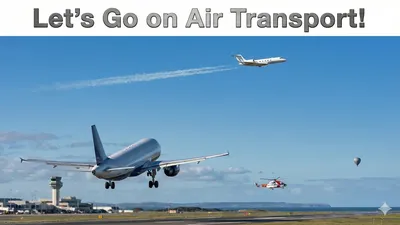 Let's Go on Air Transport! For Beginning Readers
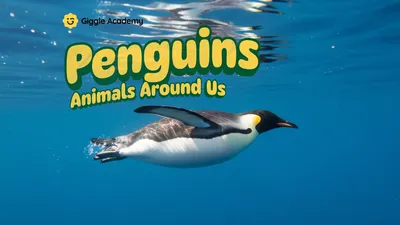 Penguins
 Max在空中
 Birds That Fly
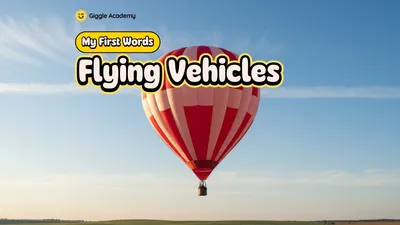 Flying Vehicles
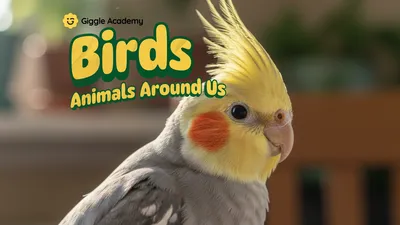 Birds
Birds Dragonflies
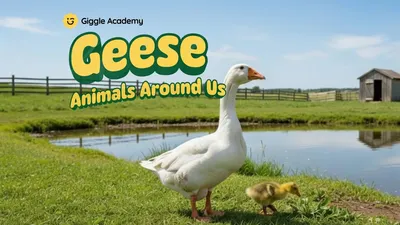 Geese
Geese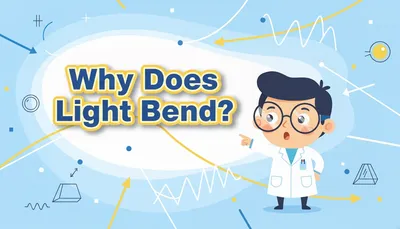 Why Does Light Bend?
 Bees
Bees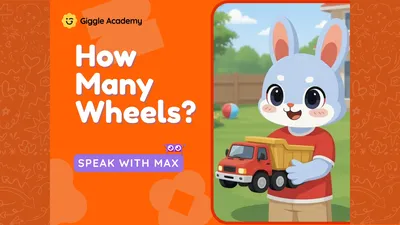 How Many Wheels?
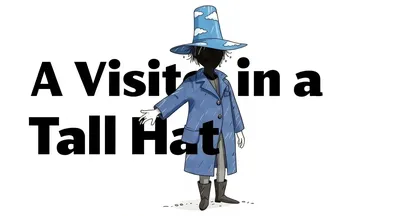 A Visitor in a Tall Hat
An informative and engaging children's book that explores various types of air transport, from airplanes and helicopters to rockets and hot air balloons. The book uses simple language to introduce young readers different flying machines.
A simple, fact-based introduction to penguins, covering their basic characteristics, habitat, diet, and social behavior in a clear and concise manner.
Join Max, a curious light-blue rabbit, as he explores the sky in various flying objects. This simple picture book uses repetitive sentences to introduce young readers to sky vehicles and vocabulary in a playful and predictable way.
A simple and repetitive story introducing young readers to various birds that can fly, focusing on their distinct features like wings, feet, and neck.
A simple and repetitive story that introduces various flying vehicles, perfect for young children to learn new words.
This book introduces young readers to birds as pets, focusing on their basic characteristics and needs like feathers, beaks, cages, food, and water. It's a simple, factual read, perfect for early learners to identify vocabulary and learn about common household birds.
Discover the incredible world of dragonflies! Learn about their unique ability to fly forward and backward, their big eyes, and how they transform from water nymphs to winged adults. A fascinating look at these amazing insects.
This is a simple, factual picture book that introduces young readers to geese as farm animals. It highlights key features such as their long necks, beaks, and behaviors like eating plants, walking, and swimming, along with introducing the term 'gosling' for a baby goose.
Light is like a magician! It zooms, bounces, and even bends. Join us on a bright adventure to discover the secrets of physics—from sunlight to lenses. This book is perfect for curious little scientists who love to ask 'Why?'
This is an informative story that introduces young readers to the fascinating world of bees. It covers where bees live, their physical characteristics, how they work in a hive, the process of making honey, and their importance to plants.
A simple and engaging story that introduces young children to different numbers of wheels found on various toys, from bikes to trains, ending with a humorous surprise.
On a rainy afternoon, siblings Lila and Theo find their boredom lifted by a whimsical visitor wearing a tall hat decorated with clouds. Through playful magic involving paper airplanes and scarves, the mysterious guest turns a quiet day into a lively adventure, teaching about fun, messiness, and tidiness in a cozy suburban home setting. The story features gentle humor, imaginative fantasy, and warm family moments, perfect for young children.
© Cóipcheart 2024 - Acadamh Giggle
上海吉咯教育科技有限公司
Cóipcheart © 2026 - Giggle Academy