

Australian Christmas Tree (Nuytsia floribunda)
 Sluvk
SluvkDiscover the Nuytsia floribunda, also known as the Australian Christmas Tree, a plant with vibrant orange flowers that hides a surprising secret: it's the world's largest root parasite. Learn how this unique tree survives and thrives in the harsh Australian landscape, its ecological role, and its cultural significance.
 10 - 14 bliain d’aois
Standing out amidst the arid scrublands of Western Australia with vibrant orange flower clusters that erupt like wildfire each year's end, Nuytsia floribunda possesses a magnificent beauty that hides a harsh biological nature. While appearing as an independent tree, it is actually the world's largest root parasite—a master thief operating beneath the soil.
The survival mechanism of the Australian Christmas Tree relies on an underground root system that can extend over 100 meters, equipped with ring-like structures called "haustoria." These rings function as ultra-sharp biological blades, capable of tightening around and severing the roots of nearby plants to steal essential water and minerals.
Scientifically, this tree is a non-selective parasite; it attacks everything in its path, from grasses and shrubs to giant forest trees. Remarkably, its "blades" cannot distinguish between organic and man-made materials, leading them to frequently sever underground fiber-optic and power cables, causing mysterious technical failures for humans.
Unlike small mistletoes that live high in tree branches, the Australian Christmas Tree develops into a full-sized woody tree, reaching up to 10 meters, with foliage that remains lush green even during the harshest droughts. This is achieved through its ruthless parasitic lifestyle, allowing it to maintain high hydrostatic pressure by draining the resources of surrounding host plants.
Despite its parasitic habit, the tree still performs vigorous photosynthesis through its fleshy leaves to synthesize its own sugars. This combination of self-nourishment and parasitism makes it an exceptionally resilient organism, capable of dominating nutrient-poor lands where other species struggle to survive.
During its flowering season, the entire canopy is blanketed in a brilliant golden-orange hue, attracting a vast number of honeyeaters and insects for pollination. This brilliance is not only an effective reproductive strategy but also earns it the name "Christmas Tree," as it glows brightly during the peak heat of the Australian summer.
Within the ecosystem, Nuytsia floribunda plays a complex role as both a resource predator and a vital food source for wildlife during the dry season. Its presence regulates the density of surrounding vegetation, inadvertently creating open spaces for smaller plant species to coexist within its shadow.
The indigenous Noongar people have long regarded this tree as sacred, believing it to be a bridge to the spiritual world where the souls of the deceased rest among the branches. They utilized the sweet gum and the roots of young saplings as a nutritious food source, demonstrating a deep understanding of the plant's chemical properties.
Modern science is studying the unique root-cutting mechanism of Nuytsia for potential applications in bio-material technology and to better understand how plants perceive obstacles. Its ability to locate and tighten around targets underground is a testament to the sophistication of plant sensory systems that we are only beginning to uncover.
The life of the Australian Christmas Tree is a strange fusion of radiant beauty and brutal survival tactics. It reminds us that in the natural world, brilliance is sometimes fueled by a sharp instinct for survival, where the strongest is not just the largest, but the one who knows how to exploit every resource around them.
 Where is the Hat?
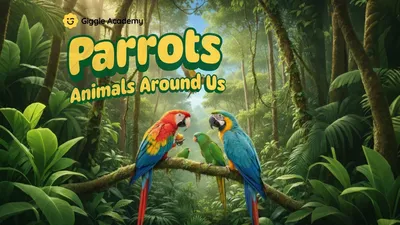 Parrots
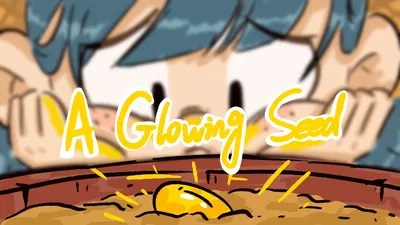 A Glowing Seed
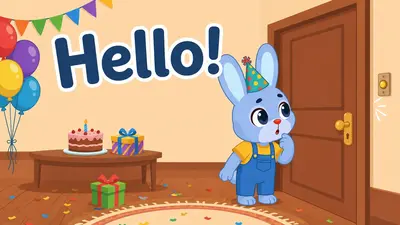 Hello!
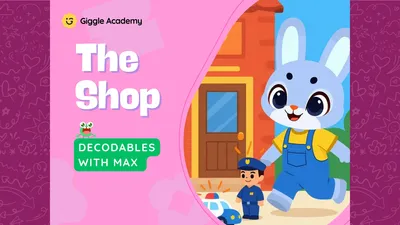 The Shop
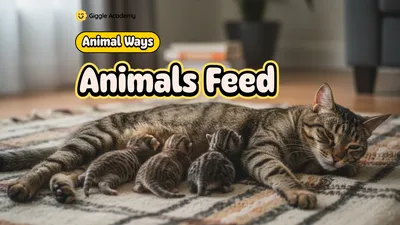 Animals Feed
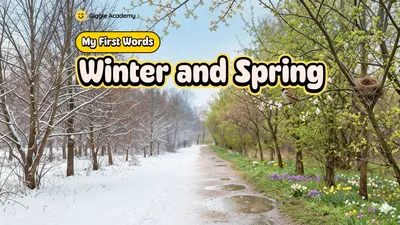 Winter and Spring
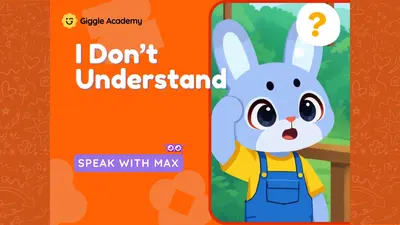 I Don't Understand
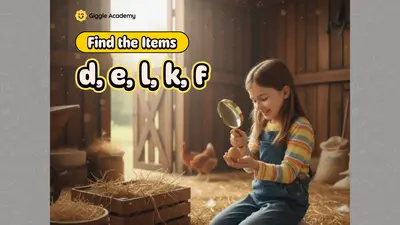 Find the Items (d, e, l, k, f)
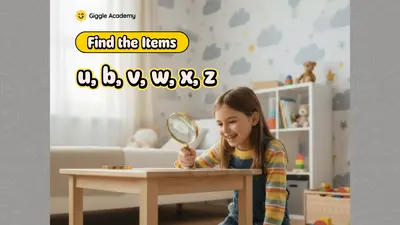 Find the Items (u, b, v, w, x, z)
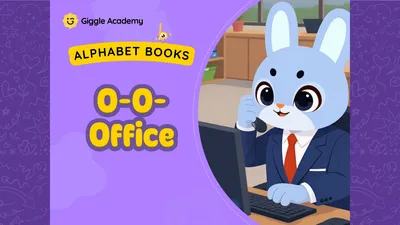 O - O - Office
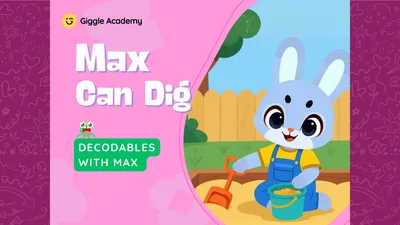 Max Can Dig
A simple and repetitive story perfect for early readers, introducing basic vocabulary and concepts of location with a hat, a cap, and a bat.
This factual picture book introduces young readers to parrots, covering their basic characteristics, habitats, and behaviors with clear, simple language and scientifically accurate information.
A little girl found a glowing seed, so she took it home, planted it, and took good care of it. But the seed still hadn’t sprouted. When she noticed all the plants outside her window were thriving, she finally realized what the seed needed. 小女孩发现了一颗会发光的种子,于是她把种子带回家种下并细心照顾,但是种子却迟迟不发芽。小女孩发现窗外的植物都生长得茂盛,终于明白了种子需要什么。
Max is getting ready for his birthday party! As his friends arrive, they greet each other with “Hello” and “Hi.” A simple and fun story to help young learners practice their first greetings.
Max visits a toy shop with his dad, but soon his games make a big mess. In this fun, decodable story, early readers can hear and say rhyming -op words like mop, shop, and hop.
This educational story introduces young readers to various animals and how they feed their young, from cats and kangaroos to eagles and bees, highlighting the universal act of parental care in the animal kingdom.
An early reader non-fiction book that introduces children to the clear visual differences between winter and spring. Using simple language and realistic illustrations, it highlights seasonal features like snow, rain, bare trees, birds, nests, and flowers, focusing on observation and basic facts.
A playful and simple story where Max does not understand what the animals are trying to tell him, leading to a surprising and relatable conclusion about lunchtime.
A simple and repetitive story that introduces young children to basic descriptive words and encourages observation and questioning.
This is a simple, repetitive story designed for very young children to practice identifying common objects and asking 'Where is...?' questions.
This playful phonics story follows Max through a busy animal office, where he works alongside funny coworkers whose names all start with O—like ox, otter, and octopus. With one word per page and bright, amusing illustrations from their workday, children hear and repeat the short letter o sound /ɒ/, building strong sound–letter connections.
In this decodable story, young readers follow Max as he digs in his sandpit and discovers surprising treasures. With simple sight words, rhyming -ig words, and predictable sentence patterns, this book builds early reading confidence while keeping children engaged with Max’s joyful adventure.
© Cóipcheart 2024 - Acadamh Giggle
上海吉咯教育科技有限公司
Cóipcheart © 2026 - Giggle Academy