

OLIVE TREE (OLEA EUROPAEA)
 Sluvk
SluvkDiscover the remarkable biology, history, and cultural significance of the Olive tree, a symbol of resilience and vitality that thrives in challenging environments and has sustained civilizations for millennia.
 8 - 12 bliain d’aois
Emerging from the rocky, sun-drenched soils of the Mediterranean basin, the Olive tree is a biological masterpiece of drought resistance and temporal endurance. With its silver-green foliage and gnarled, sculptural trunk, it has become the definitive symbol of peace and vitality, thriving in landscapes where water is a rare luxury.
The survival of the Olive tree is rooted in its extraordinary leaf anatomy, which features a dense layer of protective scales on the underside. These microscopic structures trap moisture and reflect sunlight, preventing desiccation while the tree’s small, leathery leaves minimize the surface area exposed to the scorching heat.
Biologically, the Olive tree possesses a root system of immense tenacity, capable of searching for moisture deep within limestone crevices or spreading wide to catch the lightest rainfall. Even if the above-ground portion of the tree is destroyed by frost or fire, the "lignotuber" at the base can sprout new shoots, allowing the tree to effectively be immortal.
The trunk of an ancient Olive tree tells a story of survival through its twisted, hollowed appearance, a result of centuries of slow growth and compartmentalization. Unlike many trees that rot from the inside out, the Olive tree can isolate diseased tissue, continuing to thrive as a living shell even when the heartwood has vanished.
In the realm of chemistry, the Olive tree produces Oleuropein, a potent bitter compound that acts as a natural defense against pathogens and insects. This polyphenol, along with high levels of squalene, is what gives the tree and its oil their legendary antioxidant properties and remarkable resistance to spoilage.
The reproductive cycle of the Olive tree is a delicate dance with the wind, as it relies on air currents rather than insects for pollination. Its small, fragrant white flowers must bloom at the perfect moment in spring to ensure a bountiful harvest of drupes, which are rich in monounsaturated fats.
In human history, the Olive tree is a "cultural keystone," providing light, heat, food, and medicine for millennia. The extraction of olive oil—often referred to as "liquid gold"—fueled the economies of ancient civilizations and remains a cornerstone of the world's healthiest diets today.
Modern science recognizes the Olive tree as a resilient ally against climate change, as it is exceptionally efficient at sequestering carbon in its dense wood and soil. Researchers are currently studying the genetic diversity of ancient groves to find traits that could help other agricultural crops survive increasing global temperatures.
An individual Olive tree can live for over 2,000 years, with some specimens in Greece and the Levant still producing fruit after two millennia. This staggering longevity turns the tree into a living archive, bridging the gap between ancient history and the modern world through its persistent, silvery presence.
The story of the Olive tree is a narrative of resilience through austerity and the beauty of slow, steady growth. It remains a testament to the fact that true strength is not found in rapid expansion, but in the ability to endure, adapt, and provide abundance even in the harshest of environments.
 O - O - Office
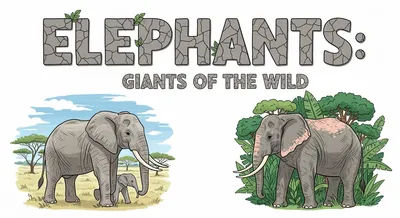 Elephants: Giants of the Wild
 Tree Frogs
 Parrots
 Elephants
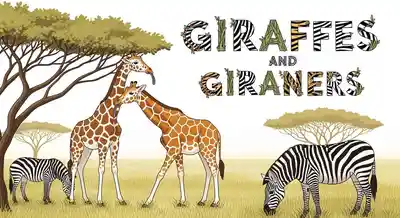 Giraffes and Zebras
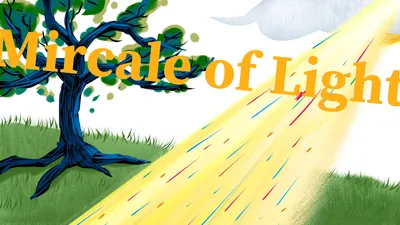 The Wonder of Light
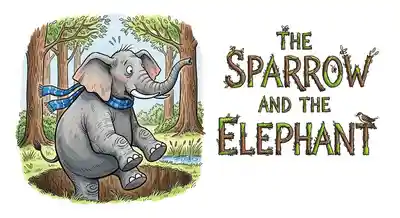 The Sparrow and the Elephant
 Light is Here!
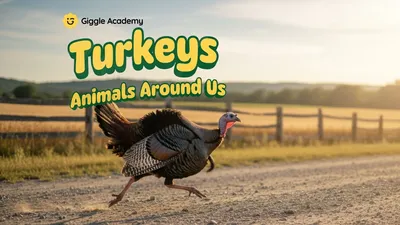 Turkeys
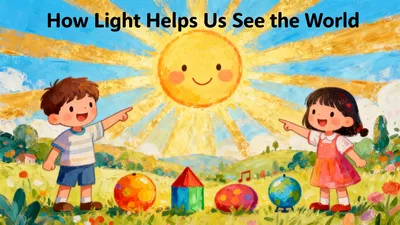 How Light Helps Us See the World
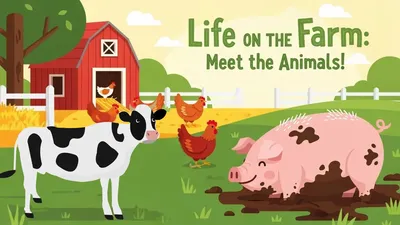 Life on the Farm for Beginning Readers
This playful phonics story follows Max through a busy animal office, where he works alongside funny coworkers whose names all start with O—like ox, otter, and octopus. With one word per page and bright, amusing illustrations from their workday, children hear and repeat the short letter o sound /ɒ/, building strong sound–letter connections.
A clear and informative nonfiction story introducing young readers to the three species of elephants, their physical characteristics, behaviors, habitats, and the importance of conservation efforts. Written in simple, factual language suitable for early elementary children.
A documentary-style picture book introducing young readers to the basic characteristics and habitats of tree frogs, using simple, factual language.
This factual picture book introduces young readers to parrots, covering their basic characteristics, habitats, and behaviors with clear, simple language and scientifically accurate information.
A simple, factual book introducing young readers to elephants, focusing on their physical characteristics and behavior in a clear, concise manner, suitable for early vocabulary building.
An informative and realistic introduction to the lives of giraffes and zebras on the African savanna. The story explains their physical traits, behaviors, species variety, and ecological roles, designed to educate young readers about wildlife and conservation.
Have you ever wondered what light is made of? This engaging picture book uncovers the secrets of light—from the Sun to a lightbulb—and shows how this everyday superpower makes our world colorful, warm, and full of life.
A simple and engaging story about a big elephant who accidentally breaks a sparrow's nest. With the help of Woodpecker, Bee, and Frog, the small friends band together to teach the elephant a lesson about being careful and respectful. The story highlights themes of teamwork, standing up for oneself, and friendship, making it suitable for young children.
An early reader science picture book designed to build color vocabulary, observation skills, and reading confidence — by exploring how light makes the colorful world visible through rhythm, repetition, and joyful discovery.
This is a simple, factual book introducing young readers to turkeys as farm animals. It covers basic characteristics like their beak, feathers, diet, and movement, and introduces the term for a baby turkey, a poult. The tone is calm and clear, ideal for early learning.
An interactive story that explores how light helps us see colors and identify objects through a series of questions and answers about common things like the sky, animals, and everyday items.
Beginning Reader level: An informative guide for young readers, exploring various farm animals, their daily lives, and the care they receive from farmers. The book highlights the importance of these animals to humans and their role in farm life.
© Cóipcheart 2024 - Acadamh Giggle
上海吉咯教育科技有限公司
Cóipcheart © 2026 - Giggle Academy