

Moss Rose
 Sluvk
SluvkDiscover the incredible resilience and ingenious adaptations of the Moss Rose, a small yet mighty flower from South America that thrives in harsh environments. This story explores its unique biological clock, water-storing abilities, and its vital role in the ecosystem, teaching us that strength lies in simplicity and adaptability.
 8 - 12 bliain d’aois
Sprouting from the arid, sun-baked landscapes of South America—specifically Brazil, Uruguay, and Argentina—the Moss Rose (known in Vietnam as Hoa Mười Giờ) is a vibrant testament to the phrase: "Strength lies in simplicity." Though it appears small and delicate, this plant is a biological powerhouse equipped with ingenious mechanisms to thrive in scorching heat and poor soil where other flowers would quickly wither.
The most famous trait of the Moss Rose, which gives it its Vietnamese name, is its incredibly accurate biological clock. This plant exhibits a behavior known as photonasty—a movement triggered by light intensity. Every morning, as the sun warms the earth to a specific degree, the flowers unfurl in a synchronized explosion of color.
By midday, or when the sun becomes too intense, they close their petals to protect their delicate reproductive organs from dehydration. This is a masterclass in energy conservation: the plant only "opens for business" when pollinators are most active and closes to save its precious internal moisture.
Biologically, the Moss Rose is a succulent. Its stems are thick, fleshy, and act as internal reservoirs to store water for long periods of drought. Its leaves are shaped like tiny, succulent needles, a design that drastically reduces the surface area exposed to the sun, thereby minimizing water loss through transpiration. This "desert-ready" architecture allows the Moss Rose to flourish in rocky crevices and sandy soils where few other plants can survive.
The resilience of the Moss Rose is further proven by its miraculous regenerative powers. It possesses a remarkable ability for vegetative propagation; a single broken stem, when placed in contact with soil, can develop a new root system within days.
This allows the plant to quickly form a dense, colorful carpet over the ground, acting as a "living mulch" that keeps the underlying soil cool and prevents erosion.
Beyond its hardiness, the Moss Rose is a "chemical artisan." In various folk traditions, the plant has been used as a natural remedy for skin rashes and inflammation, owing to its high concentration of antioxidants and mucilage. Its flowers come in a dazzling array of neon pinks, reds, yellows, and whites, often appearing with "doubled" petals that look like miniature peonies, providing a vital source of nectar for bees and butterflies.
In the garden ecosystem, the Moss Rose is a pioneer plant. It is often the first to bring life to degraded or neglected patches of earth. By covering the ground with its succulent foliage, it creates a micro-habitat for small insects and helps maintain soil integrity during heavy rains.
The story of the Moss Rose is a narrative of perfect timing and quiet endurance. It teaches us that you don't need to be a giant to make an impact. By building internal strength, adapting to your environment, and knowing exactly when to shine, you can bring beauty and resilience to even the harshest corners of the world.
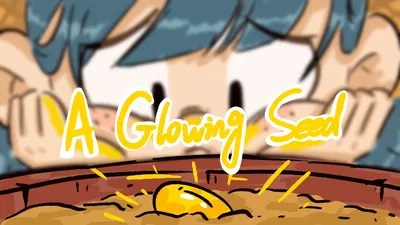 A Glowing Seed
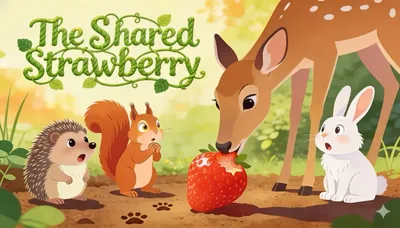 The Shared Strawberry
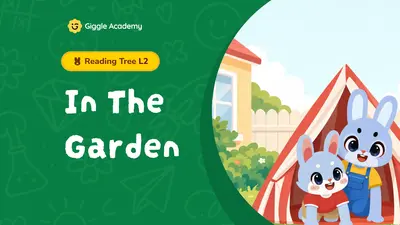 In the Garden
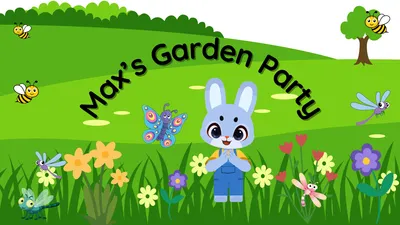 Max's Garden Party
 Max's Little Seed
 Starfish
 U - U - Up
 Lily the Fairy and the Lost Red Sock
 Where is the Hat?
 The Lantern That Remembered It Was a Star
 Things That Change
A little girl found a glowing seed, so she took it home, planted it, and took good care of it. But the seed still hadn’t sprouted. When she noticed all the plants outside her window were thriving, she finally realized what the seed needed. 小女孩发现了一颗会发光的种子,于是她把种子带回家种下并细心照顾,但是种子却迟迟不发芽。小女孩发现窗外的植物都生长得茂盛,终于明白了种子需要什么。
Cuz's Journey of Growth
Hedgehog, Squirrel, and Rabbit all want a big, red strawberry. They argue about who saw it first, but when a hungry Deer eats it, they learn that friendship and sharing are more important than a delicious treat.
A very simple story perfect for babies and toddlers, exploring different places a child might play before greeting their mom. Each short phrase introduces a new setting, making it ideal for early language development.
When Max notices fewer insects coming to his garden, he throws a party to encourage more to visit!
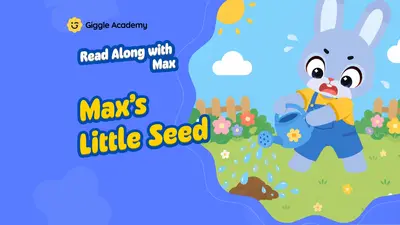
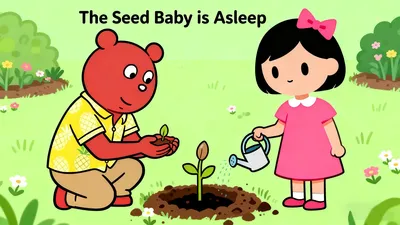
Max finds a tiny seed and, with a lot of impatience and a little help from Lily, learns that growing things (and good things in general) require sun, water, and most importantly, time. A charming story about patience and nature's processes.
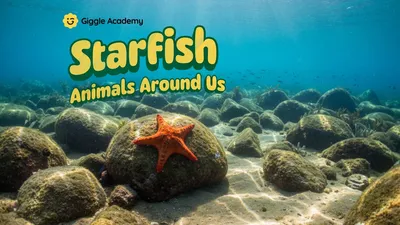
A simple, factual picture book introducing young readers to starfish, detailing their basic characteristics like arms, tube feet, and habitat in the sea.
This bright picture story follows Max the Rabbit as he goes up in a hot air balloon, giving young readers many chances to hear and say the short u sound /ʌ/. Told with simple one-word-per-page text and clear, engaging illustrations, children watch Max feel up, then uh-oh as the flame goes off and he comes down safely to the ground, reinforcing the short u sound through repetition and visual storytelling.
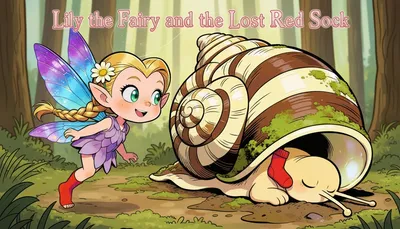
Join Lily the fairy on a sweet rhyming adventure as she searches for her lost red sock. With jingling wings, she peeks under mushrooms, behind daisies, and even inside a snail shell, until she finally finds her missing item.
A simple and repetitive story perfect for early readers, introducing basic vocabulary and concepts of location with a hat, a cap, and a bat.
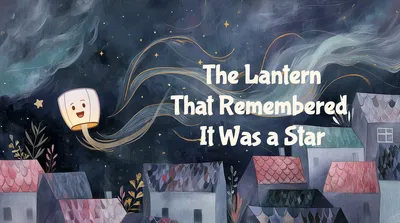
Solu, a forgotten paper lantern in a quiet attic, hasn’t glowed in a hundred years. When a sudden storm sparks her wick, she rises into the night carrying the wishes of the girl who once loved her. Through wind, rain, and starlight, Solu discovers she was never just a lantern—she was always meant to become a warm red-gold star. A gentle, uplifting story about courage, memory, and finding your true light.
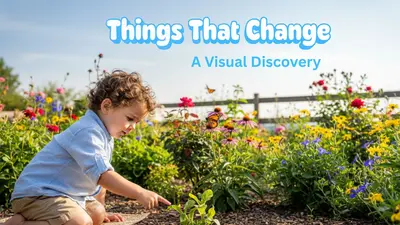
This simple and insightful story explores the concept of change through everyday examples, like seeds becoming plants and caterpillars turning into butterflies. It concludes with a comforting message about personal growth, making it perfect for young readers to learn about evolution and development.
© Cóipcheart 2024 - Acadamh Giggle
上海吉咯教育科技有限公司
Cóipcheart © 2026 - Giggle Academy