

Panax Ginseng
 Sluvk
SluvkExplore the incredible life cycle of Panax Ginseng, from a tiny seed's long journey to its role as the "king of herbs." Discover its biological adaptations, medicinal properties, and its significance to human health in this informative text.
 10 - 14 жас
In the silent darkness beneath the temperate old-growth forest canopy, a tiny seed begins its patient journey. Deep within the leaf litter, it waits for the perfect intersection of temperature and moisture to awaken the dormant spark of life.
The survival mechanism of Ginseng begins with endurance; the seed must undergo a "morphophysiological dormancy" lasting nearly two years before it can sprout. When ideal conditions arrive, a single cotyledon tentatively rises, marking the presence of a precious life amidst the vast wilderness.
Biologically, Panax ginseng is a shade-obligate species, thriving only under a dense canopy that filters out 70-80% of direct sunlight. Its foliage features a palmate compound structure, spreading wide to capture the faint, scattered rays of light that pierce through the upper forest tiers.
The most vital part of the plant is its taproot, a sophisticated energy storage system formed over decades. Each year, the aerial stem withers in winter, leaving a distinct scar on the rhizome, allowing scientists to accurately determine the individual's age.
To survive the rigors of nature, Ginseng synthesizes secondary metabolites known as Ginsenosides (triterpenoid saponins). These serve as a "chemical shield," protecting the plant against fungi, bacteria, and herbivores in the damp forest environment.
Upon reaching maturity, typically after four to five years, the plant blooms with small, pale green flower clusters at the tip of the stem. These flowers eventually transform into vibrant red berries, attracting birds to consume them and disperse the seeds across the forest floor.
In human life, Ginseng is hailed as the "king of herbs" due to its extraordinary adaptogenic properties. The active compounds within the root help the body regulate homeostasis, enhancing immune response and effectively reducing oxidative stress.
Modern science has demonstrated that Ginseng positively impacts the central nervous system by improving cerebral blood circulation. It stimulates receptors that enhance memory, focus, and slow the aging process of neural cells.
However, its rarity and high medicinal value have made wild Ginseng scarce, prompting strict cultivation protocols. Farmed Ginseng requires at least six years to accumulate a nutrient profile comparable to its wild ancestors.
The life of a Ginseng plant is an epic of resilience, evolving from a miniscule seed into a treasure trove of medicinal compounds for humanity. It remains not just a plant, but a symbol of the profound essence that nature bestows upon human health.
 The Very Bright Little Light
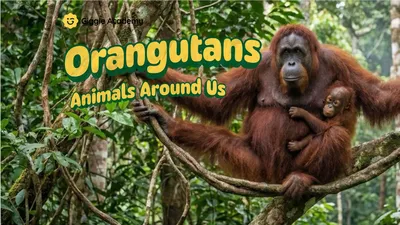 Orangutans
 Hello!
 Who Can Zip It?
 Red Pandas
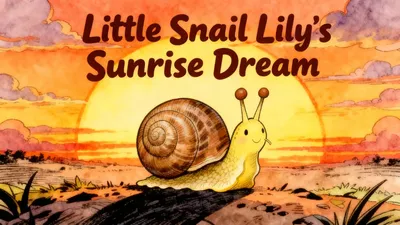 Little Snail Lily's Sunrise Dream
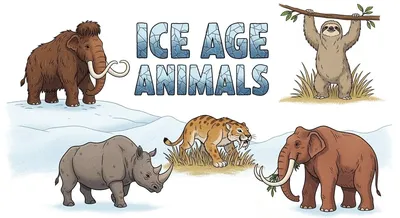 Ice Age Animals
 Giraffes
 Max's Little Seed
 How Light Helps Us See the World
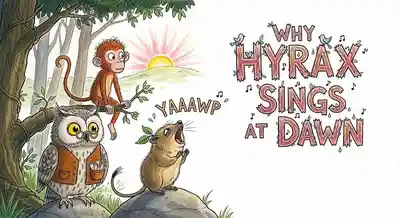 Why Hyrax Sings at Dawn
In the quiet of night, a tiny glow awakens. From two flowers to five bamboo stalks, the little light journeys through nature's wonders, gathering radiance with each discovery. In silence, it transforms—becoming the sun that illuminates all.
This is a factual and straightforward non-fiction book that introduces young readers to orangutans, covering their habitat, physical characteristics, diet, and social behavior in a calm and accurate tone.
Max is getting ready for his birthday party! As his friends arrive, they greet each other with “Hello” and “Hi.” A simple and fun story to help young learners practice their first greetings.
This playful decodable book focuses on the -ip word family and simple sight words through a fun guessing game. As readers see the rabbit family waving together, they turn the pages to guess who will tip, sip, dip, or rip, using repeating sentence patterns to build confidence and early reading fluency.
Cuz's Journey of Growth
A simple, factual picture book introducing young readers to red pandas, covering their habitat, physical characteristics, diet, and social behavior in a clear, documentary-style narrative.
Little snail Lily wants to see the sunrise on the mountain top, but she crawls slower than a falling leaf! Luckily, Sam the groundhog’s “tunnel express”, Max the monkey’s “tree slide” and Lucy the bird’s “branch plane” help her. Can she catch the sunrise and make her dream come true? This warm light-chasing trip—come and see!
A clear and informative nonfiction story introducing young readers to the large Ice Age animals, their habitats, lifestyles, and interactions with early humans. The text is straightforward and educational, suitable for children beginning to explore prehistoric life and natural history.
A simple, factual picture book introducing young readers to giraffes, describing their physical characteristics, habitat, diet, and social behavior.
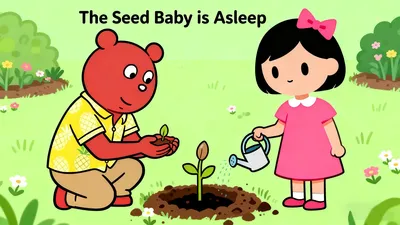
Max finds a tiny seed and, with a lot of impatience and a little help from Lily, learns that growing things (and good things in general) require sun, water, and most importantly, time. A charming story about patience and nature's processes.
An interactive story that explores how light helps us see colors and identify objects through a series of questions and answers about common things like the sky, animals, and everyday items.
A heartwarming story about Hyrax overcoming his fear of the dark by singing at dawn. The tale uses simple, rhythmic language and gentle humor to encourage bravery and celebrate the arrival of a new day, making it perfect for young children.
© Copyright 2024 - Giggle Academy
上海吉咯教育科技有限公司