

Octopuses and Squids
 Giggle Academy
A detailed and realistic exploration of octopuses and squids, presenting their physical traits, behaviors, and adaptations in an educational style suitable for young readers interested in marine life.
 6 - 10 tau te pakeke
Octopuses and squids are mollusks. They are related to clams and snails but have no shells.
An octopus has a soft, rounded head and eight arms. Each arm is lined with suction cups for gripping.
A squid has a long, torpedo-shaped body. It has eight arms and two longer tentacles for catching prey.
Both octopuses and squids can change color. They use special skin cells called chromatophores.
Color changes help them hide from predators. They can also signal to other members of their species.
Octopuses are known for their intelligence. They can solve puzzles and open containers to get food.
Squids are fast swimmers. They move by pushing water out through a siphon.
Some squids, like the Humboldt squid, can hunt in groups. They work together to catch fish.
The colossal squid has the largest eyes of any animal. Its eyes help it see in the dark deep sea.
Octopuses can squeeze through tiny spaces. They have no bones, so their bodies are very flexible.
Both octopuses and squids can squirt ink. The ink cloud hides them while they escape.
They eat fish, crabs, and other small sea animals. They catch prey with their arms or tentacles.
Some squids migrate long distances in the open ocean. Others stay near coasts and reefs.
Octopuses and squids are important predators. They help keep ocean food webs balanced.
These animals are masters of disguise and movement. They are unique and fascinating ocean hunters.
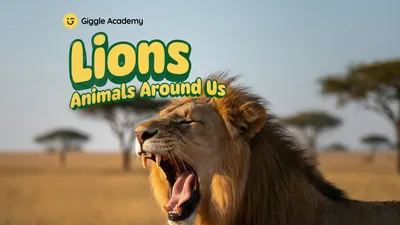 Lions
Lions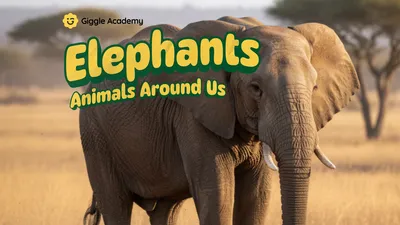 Elephants
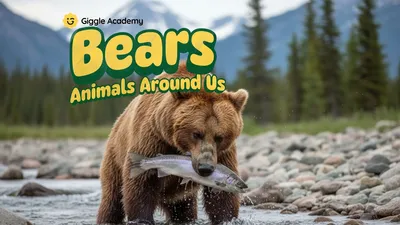 Bears
Bears Dogs
Dogs Cats
Cats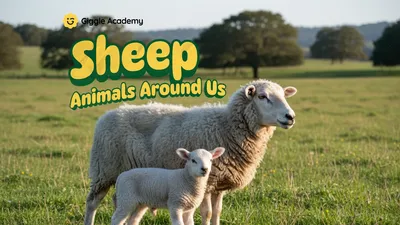 Sheep
Sheep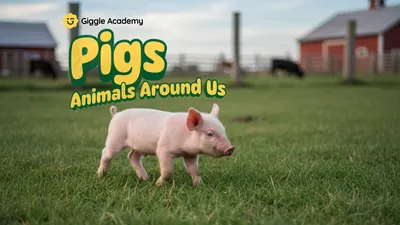 Pigs
Pigs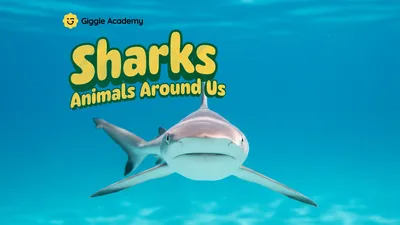 Sharks
 Sea Turtles
 Gorillas
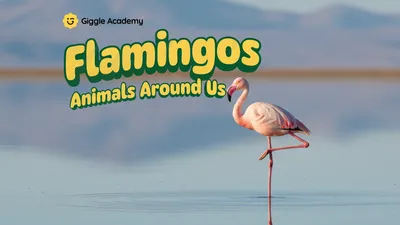 Flamingos
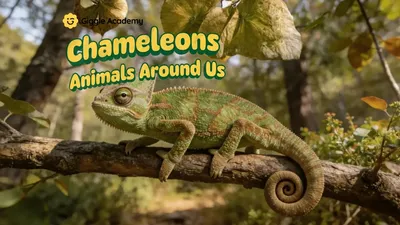 Chameleons
A simple, factual introduction to lions, describing their basic characteristics, habitat, and social behavior in a clear and concise manner. Part of the "Wild Animals Around Us" series.
A simple, factual book introducing young readers to elephants, focusing on their physical characteristics and behavior in a clear, concise manner, suitable for early vocabulary building.
A factual and clear nonfiction book that introduces young readers to bears, covering their physical characteristics, habitat, diet, and social groups. The book maintains a strictly scientific tone with no anthropomorphism.
A simple and factual picture book introducing young readers to dogs as pets, covering basic vocabulary and characteristics like fur, paws, food, water, and puppies. Designed in a documentary style with clear, calm language.
A simple, factual picture book that introduces young readers to cats as pets, covering basic characteristics and needs in a clear, documentary style.
This is a simple non-fiction book that introduces young readers to sheep. It covers where sheep live, what they eat, their physical characteristics like wool and legs, and the name for a baby sheep. The book also reinforces key vocabulary words.
This book introduces young children to pigs. It covers basic facts about where pigs live, what they look like, and some of their behaviors, like eating and enjoying mud. Simple vocabulary and repetitive sentence structures are used to help early readers build confidence.
An introductory book about sharks, detailing their physical characteristics like fins, tails, and teeth, and their habitat in the sea. It uses simple language to help young readers learn about these marine animals.
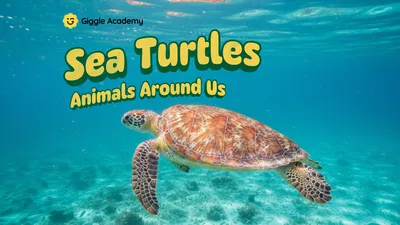
An introductory book about sea turtles, designed for early readers. It covers basic facts about their habitat, physical characteristics, and behaviors using simple language and high-frequency words.
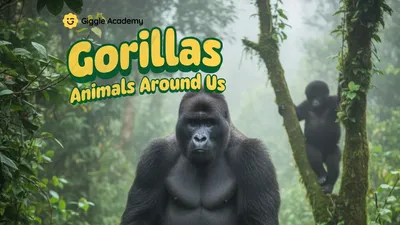
A simple and factual introduction to gorillas, exploring their habitat, physical characteristics, and behaviors through clear and concise language, suitable for young readers.
A factual, documentary-style picture book introducing young readers to the basic characteristics of flamingos, such as their habitat, physical features, diet, and social behavior.
A factual and clear picture book introducing young readers to chameleons, covering their physical characteristics, habitat, diet, and life cycle with strict scientific accuracy and no anthropomorphism.
© Mana pupuri 2024 - Giggle Academy
上海吉咯教育科技有限公司
Manatārua © 2026 - Giggle Academy