

EUCALYPTUS (GUM TREE)
 Sluvk
SluvkExplore the incredible survival strategies of the Eucalyptus tree, a master of its environment in Australia. Discover how this tree not only withstands but actively uses fire for its regeneration and dominance, showcasing a fierce ballet between destruction and rebirth in nature.
 10 - 16 tau te pakeke
Rising from the ancient, sun-baked soils of Australia, the Eucalyptus tree dominates vast swathes of the landscape, a true master of its environment. With its distinctive peeling bark and aromatic leaves, it presents a facade of serene beauty, yet conceals a fierce and powerful survival strategy rooted in the very element most plants fear: fire.
The most striking characteristic of the Eucalyptus is its incredibly volatile, oil-rich foliage. The leaves are packed with highly flammable essential oils—compounds like eucalyptol—that easily ignite. These oils are not just a defense against herbivores; they are a critical component of the tree's scorched-earth policy.
Biologically, Eucalyptus trees actively contribute to the spread and intensity of bushfires. When a fire approaches, the oils in the leaves vaporize, creating a superheated, explosive gas cloud above the canopy. This phenomenon, known as "crown fire," causes flames to leap from treetop to treetop at terrifying speeds.
This seemingly self-destructive behavior is, in fact, a brilliant and ruthless survival strategy. By encouraging intense, fast-moving fires, the Eucalyptus effectively clears out competing plant species, which are often less tolerant to heat and have fewer mechanisms for post-fire regeneration.
While its rivals perish, the Eucalyptus has evolved multiple ingenious ways to bounce back. Many species possess dormant buds called "epicormic buds" hidden deep beneath their bark, protected by thick layers of insulation. After a fire, these buds erupt, quickly sprouting new foliage from the charred trunk and branches.
Furthermore, some Eucalyptus species have lignotubers—a woody swelling at the base of the stem or underground—packed with food reserves and protected buds. Even if the entire above-ground tree is incinerated, these underground reservoirs can resprout a completely new plant, phoenix-like, from the ashes.
The Eucalyptus is also a prodigious seed disperser, utilizing fire to its advantage. Its woody seed capsules are "serotinous," meaning they are designed to open only when exposed to the intense heat of a bushfire, releasing a shower of seeds onto the newly fertilized, competition-free soil.
In the global ecosystem, Eucalyptus plantations are widely used for timber, pulp, and the production of essential oils. Its rapid growth rate and adaptability make it a valuable commercial crop, though its fire-prone nature can be a challenge in non-native environments.
For many indigenous communities in Australia, Eucalyptus holds deep cultural significance, its leaves used in traditional medicine, its wood for tools, and its shade providing respite. Its unique scent is synonymous with the Australian wilderness, embodying resilience and renewal.
The story of the Eucalyptus is a fierce ballet with fire, a testament to evolution's cunning. It reminds us that in nature, destruction can be a prelude to rebirth, and that some of the most enduring life forms are those that have learned not just to survive, but to master the forces that threaten to consume them.
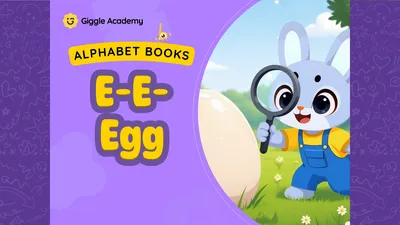 E - E - Egg
 Where is the Hat?
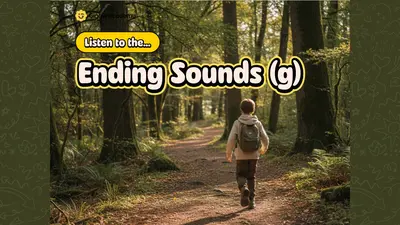 Listen to the Ending Sounds! (g)
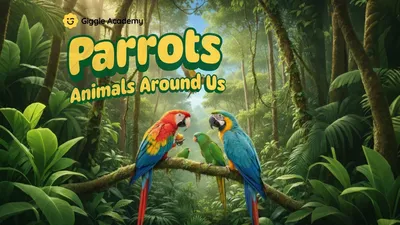 Parrots
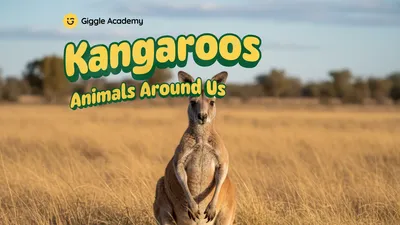 Kangaroos
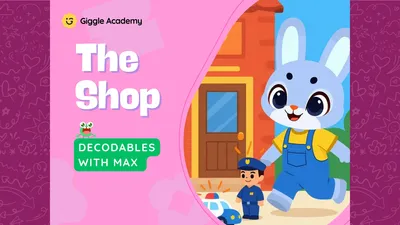 The Shop
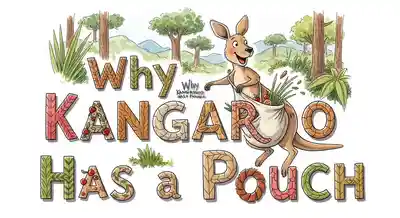 Why Kangaroo Has a Pouch
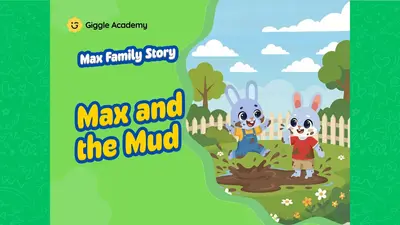 Max and the Mud
 O - O - Office
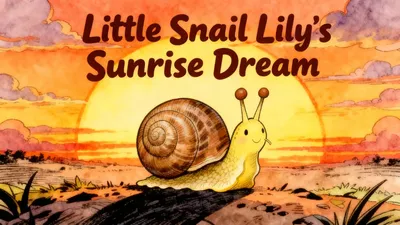 Little Snail Lily's Sunrise Dream
 The Brave Parrot
 Find the Items (c, r, i, m, n)
This playful picture story follows Max as he finds a big egg and wonders what could be inside, giving young readers many chances to hear and say the short /ɛ/ sound. Through bright, colorful illustrations and a simple one-word-per-page storyline, children repeat the /ɛ/ sound while following Max’s exciting egg adventure.
A simple and repetitive story perfect for early readers, introducing basic vocabulary and concepts of location with a hat, a cap, and a bat.
A simple and repetitive story about a child exploring outdoors, using short sentences and focusing on words ending with '-g'. Perfect for early readers to practice phonics.
This factual picture book introduces young readers to parrots, covering their basic characteristics, habitats, and behaviors with clear, simple language and scientifically accurate information.
A simple and factual introduction to kangaroos, describing their physical characteristics, diet, and social groups in a clear and concise manner.
Max visits a toy shop with his dad, but soon his games make a big mess. In this fun, decodable story, early readers can hear and say rhyming -op words like mop, shop, and hop.
A charming and playful tale explaining why kangaroos have pouches, following a snack-loving kangaroo's inventive attempts to carry her treats. Written in a lighthearted and engaging style, it's perfect for young children learning about animals through imaginative storytelling.
Max and his younger brother Tom discover a muddy puddle in their backyard and can't resist jumping in. As they get messier and messier, their mom comes out to find them, leading to a playful solution to their muddy fun. A warm and humorous tale for early readers.
This playful phonics story follows Max through a busy animal office, where he works alongside funny coworkers whose names all start with O—like ox, otter, and octopus. With one word per page and bright, amusing illustrations from their workday, children hear and repeat the short letter o sound /ɒ/, building strong sound–letter connections.
Little snail Lily wants to see the sunrise on the mountain top, but she crawls slower than a falling leaf! Luckily, Sam the groundhog’s “tunnel express”, Max the monkey’s “tree slide” and Lucy the bird’s “branch plane” help her. Can she catch the sunrise and make her dream come true? This warm light-chasing trip—come and see!
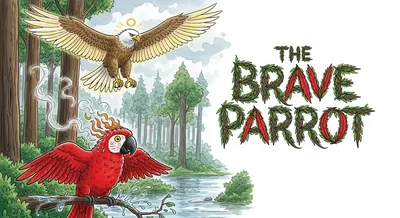
A heartwarming tale of courage and determination, 'The Brave Parrot' tells the story of a small red parrot who bravely fights a forest fire by repeatedly carrying water despite being told it is futile. The story emphasizes themes of bravery, perseverance, and compassion in a vibrant forest setting, making it suitable for young readers and their families.
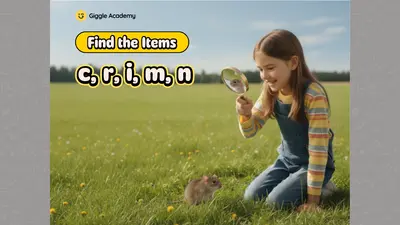
This simple story introduces young readers to basic objects and asks them to identify what they see, encouraging observation and vocabulary development.
© Mana pupuri 2024 - Giggle Academy
上海吉咯教育科技有限公司
Manatārua © 2026 - Giggle Academy