

The Sandbox Tree: Nature's Dynamite
 Sluvk
SluvkDiscover the incredible story of the Sandbox Tree, also known as the "Dynamite Tree," a formidable plant from the Amazon rainforest. Learn about its sharp spikes, explosive seed dispersal, and toxic sap, and understand how it uses these unique features to survive in the wild.
 8 - 12 tau te pakeke
Deep within the dense rainforests of the Amazon and the tropical regions of the Americas, the Sandbox Tree—also known as the "Dynamite Tree"—reigns as one of the most aggressive and formidable organisms in the botanical world. It does not simply grow; it fortifies itself, wielding a combination of mechanical weaponry and chemical warfare to ensure its survival in a cutthroat ecosystem.
The most immediate deterrent of Hura crepitans is its trunk, which is armored from base to canopy with thousands of sharp, conical dark spikes. This formidable defense has earned it the nickname "Monkey No-climb," as it prevents primates and other climbing animals from reaching its fruit or damaging its bark. This physical barrier is the tree's first line of defense against herbivores looking for an easy meal.
Biologically, the tree is perhaps most famous for its extraordinary method of seed dispersal: explosive dehiscence. The fruit of the Sandbox Tree resembles a small, innocent pumpkin, but as it dries, internal tensions build up between its woody segments. When the pressure reaches a critical point, the pod detonates with a sound like a gunshot, catapulting its seeds at speeds of up to 70 meters per second (over 160 mph).
These flying seeds are not merely falling; they are projectiles that can be launched as far as 45 meters (150 feet) away from the parent tree. This violent strategy ensures that the next generation of saplings takes root far beyond the shade of the mother tree, avoiding competition for sunlight and soil nutrients in the crowded jungle floor.
Chemically, the Sandbox Tree is equally dangerous. It produces a thick, milky white sap that is highly caustic and laden with toxins. This sap has been used for centuries by indigenous hunters to create poison for arrows and to stun fish in rivers. For humans, contact with the sap can cause severe skin blistering and temporary blindness if it reaches the eyes, serving as a potent deterrent against any creature that might try to bore into its wood.
The leaves of the Hura crepitans are heart-shaped and vibrant green, forming a broad canopy that effectively captures the dappled sunlight of the tropical understory. Despite its aggressive defenses, the tree provides a specialized habitat for various insects and fungi that have evolved the unique ability to bypass its toxins, showcasing the endless arms race of evolution.
Historically, the tree earned its common name "Sandbox Tree" during the era of quill pens. Its unripened, multi-chambered seed pods were sawed in half, emptied, and used as decorative containers to hold dry sand, which was sprinkled over wet ink to blot it before the invention of blotting paper.
Modern science investigates the chemical compounds within the Hura sap for potential applications in medicine and pest control. The complex proteins found in the tree, such as hurin and crepitin, are of particular interest for their potent biological activity, though they must be handled with extreme caution due to their high toxicity.
The life of the Sandbox Tree is a narrative of botanical militancy. It is a tree that demands space and respect, utilizing mechanical explosions and chemical shields to dominate its environment. It stands as a reminder that in the rainforest, survival often belongs to those who are willing to fight for their place in the sun with explosive force.
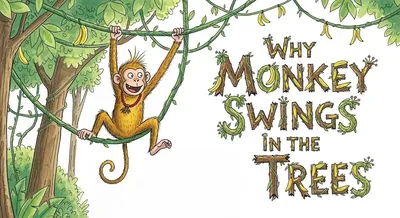 Why Monkey Swings in the Trees
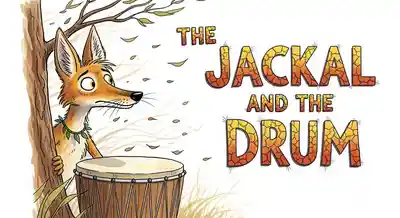 The Jackal and the Drum
 I Did Things Today! (-it Words)
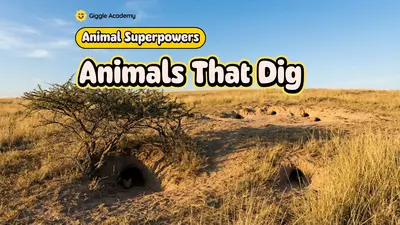 Animals That Dig
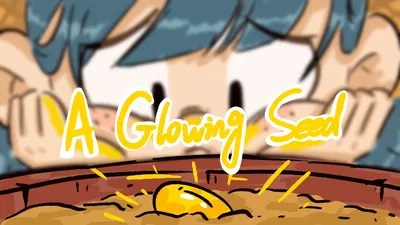 A Glowing Seed
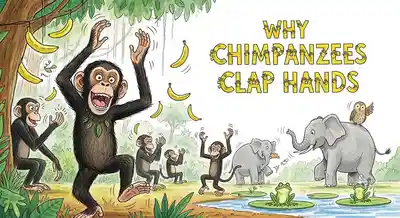 Why Chimpanzees Clap Hands
 Where is the Hat?
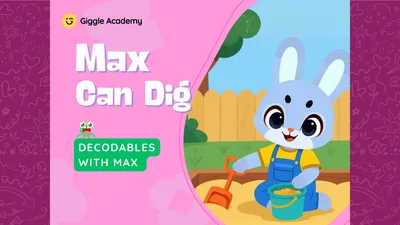 Max Can Dig
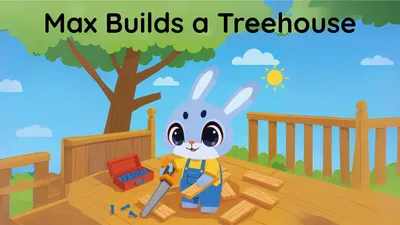 Max Builds a Treehouse
 Tree Frogs
 The Toolbox
A playful and imaginative story explaining why Monkey swings in the trees, filled with lively animal characters and fun antics. The tale uses simple language and repetition to engage young readers, emphasizing fun, mischief, and problem-solving among forest friends.
A gentle and engaging story about a jackal exploring a dry, windy forest on a hot day. Through simple, rhythmic language and playful repetition, the story encourages curiosity and teaches children that not all scary sounds are dangerous—some can lead to delightful surprises.
A simple and repetitive story perfect for early readers, describing everyday actions in short, easy-to-understand sentences.
Discover fascinating facts about animals that dig, from moles burrowing underground to crabs digging in the sand. Learn why digging is essential for their survival, providing shelter and helping them find food.
A little girl found a glowing seed, so she took it home, planted it, and took good care of it. But the seed still hadn’t sprouted. When she noticed all the plants outside her window were thriving, she finally realized what the seed needed. 小女孩发现了一颗会发光的种子,于是她把种子带回家种下并细心照顾,但是种子却迟迟不发芽。小女孩发现窗外的植物都生长得茂盛,终于明白了种子需要什么。
A playful and rhythmic tale about how chimpanzees discovered clapping to scare away birds and ended up creating music together in the forest. The story combines fun animal characters with a lighthearted moral about rhythm and community, ideal for young children.
A simple and repetitive story perfect for early readers, introducing basic vocabulary and concepts of location with a hat, a cap, and a bat.
In this decodable story, young readers follow Max as he digs in his sandpit and discovers surprising treasures. With simple sight words, rhyming -ig words, and predictable sentence patterns, this book builds early reading confidence while keeping children engaged with Max’s joyful adventure.
Max uses his toolbox and favorite tools to build a cozy treehouse high up in the oak tree.
A documentary-style picture book introducing young readers to the basic characteristics and habitats of tree frogs, using simple, factual language.
A simple story introducing a toolbox and its contents, showing how tools like nails, a saw, a drill, and a hammer can be used to fix things. Perfect for young children learning about everyday objects and their functions.

We’re Going on a Jinn Hunt 👻
© Mana pupuri 2024 - Giggle Academy
上海吉咯教育科技有限公司
Manatārua © 2026 - Giggle Academy