

Slipper Orchid: Nature's Clever Trap
 Sluvk
SluvkDiscover the incredible Slipper Orchid, a unique flower found in misty highlands and forests. Learn how it uses a clever 'escape room' trap to ensure pollination, its beautiful features, and why these 'Queens of the Highlands' are so important but also endangered. A fascinating look at nature's ingenuity.
 8 - 12 tau te pakeke
Hidden within the misty highlands of Vietnam and the dappled sunlight of temperate forests around the world, there grows a flower that looks like a lost piece of royal clothing. The Slipper Orchid—often called "Lady’s Slipper" or Lan Hài—is one of the most clever and sophisticated plants in the botanical world. It doesn't rely on simple nectar to attract visitors; instead, it creates an elaborate "escape room" to ensure its survival.
The most famous feature of this orchid is its pouch-shaped lip (the labellum), which looks exactly like the toe of a delicate silk slipper. This pouch is not just for show; it is a highly specialized pitfall trap. Unlike carnivorous plants that eat insects, the Slipper Orchid is much more "polite"—it only traps its visitors temporarily to turn them into accidental messengers of life.
Biologically, the "trap" works through a brilliant bit of trickery. Insects, usually small bees or flies, are attracted to the flower’s vibrant colors or sweet scents. As they land on the edge of the slippery "shoe," they lose their footing and tumble into the bottom of the pouch. The walls of the pouch are too smooth and steep for the insect to fly or crawl back out the same way it came in.
To escape, the insect must find the only "exit sign" available: a path of tiny, upward-pointing hairs located at the back of the pouch. This creates a one-way escape route. As the insect crawls up this "ladder," it is squeezed through a very narrow tunnel. In the process, it first brushes against the stigma (depositing any pollen it brought from another flower) and then against the anthers (getting a fresh coat of sticky pollen on its back). By the time the insect emerges, tired but unharmed, it has successfully completed the plant’s mission of cross-pollination.
The petals of the Slipper Orchid are also a marvel of botanical texture. Many species have long, twisted side petals adorned with dark spots or fine hairs. Scientists believe these hairs act as "guides" or landing strips, mimicking the appearance of aphids or other insects to trick predatory flies into visiting. The leaves are often mottled—covered in a beautiful pattern of dark and light green spots—which helps the plant camouflage itself against the forest floor when it is not in bloom.
In the world of conservation, Slipper Orchids are known as the "Queens of the Highlands," but they are also deeply endangered. Because they grow very slowly and have a complex relationship with specific soil fungi, they are extremely difficult to relocate. In the wild, they are protected by international laws because they have become a target for illegal poachers who want to sell their rare beauty.
Scientifically, the Cypripedioideae family is a goldmine for studying plant-pollinator interactions. Every species of Slipper Orchid has evolved to fit a specific type of insect, showing us how deeply connected different forms of life are. It is a plant that teaches us about the importance of specialized roles in an ecosystem.
The story of the Slipper Orchid is a narrative of intelligence and architecture. It reminds us that nature doesn't always take the direct path. Sometimes, a "trap" is actually a bridge, and a "shoe" is actually a clever machine designed to keep the forest blooming for thousands of years to come.
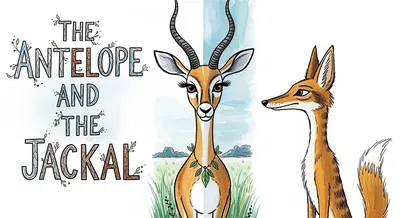 The Antelope and the Jackal
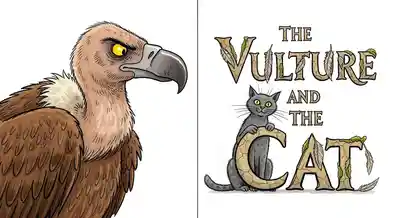 The Vulture and the Cat
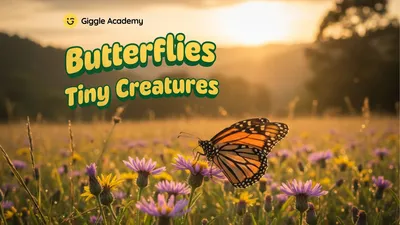 Butterflies
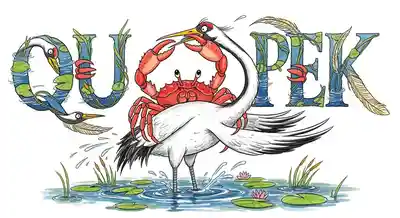 The Crane and the Crab
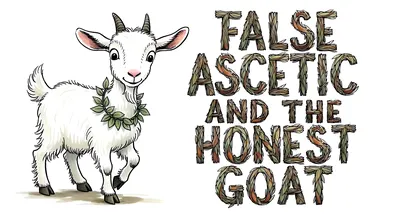 The False Ascetic and the Honest Goat
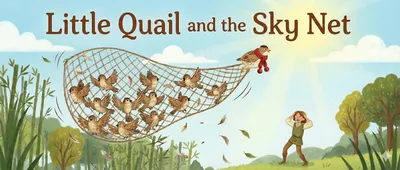 Little Quail and the Sky Net
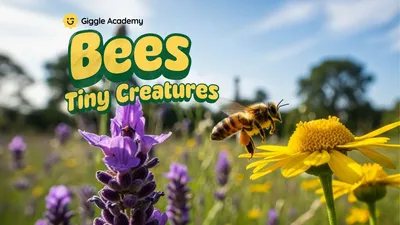 Bees
Bees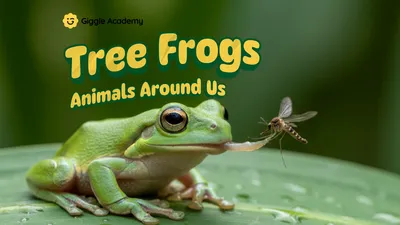 Tree Frogs
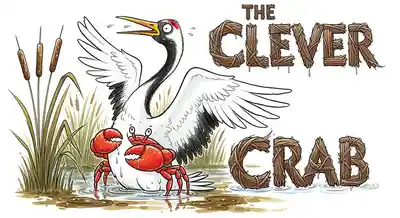 The Clever Crab
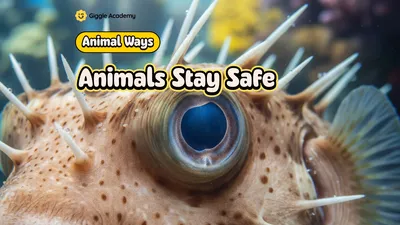 Animals Stay Safe
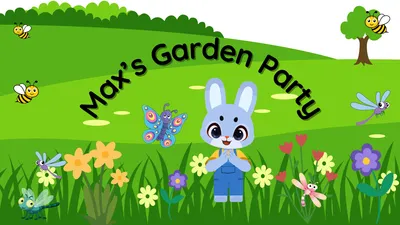 Max's Garden Party
A gentle story about kindness and caution, where a kind-hearted antelope helps a hurt jackal, only to discover his true intentions. The tale teaches young readers about empathy, trust, and the importance of being watchful when helping others, all told in simple and engaging language.
A gentle fable set in a quiet temple, where a kind priest cares for animals. When a vulture promises to protect the mice and a sly cat arrives pretending to be harmless, the story explores themes of trust, deception, and the importance of vigilance. Told in simple language, it is suited for young readers who enjoy thoughtful animal tales with a moral lesson.
Discover the amazing world of butterflies in this factual and wonder-filled reader. Learn about their colorful wings, unique feeding habits, incredible life cycle from egg to chrysalis, and the astonishing journeys some take across vast distances, all while helping flowers grow.
A simple fable about a drying pond and a cunning crane who tricks fish into being eaten. A clever crab outwits the crane, teaching a lesson about trust and caution. The story is told in clear, accessible language suitable for young children.
A gentle, heartwarming tale about a wise goat who uncovers the truth behind a seemingly holy man's actions in a quiet village. Through simple language and vivid storytelling, the story teaches children the value of honesty and observation.
A gentle retelling of a Jataka tale where a little quail teaches her flock the power of unity against a hunter. When squabbles begin to break their rhythm, they learn a hard lesson about the importance of togetherness.
This is an informative story that introduces young readers to the fascinating world of bees. It covers where bees live, their physical characteristics, how they work in a hive, the process of making honey, and their importance to plants.
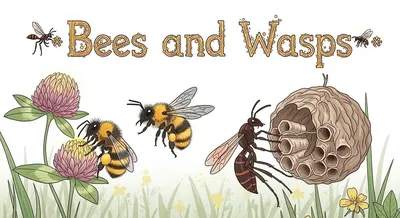
这是一篇关于蜜蜂与黄蜂的科学故事,通过真实细致的描写介绍了它们的外形特征、生活习性及生态功能。文字简洁易懂,适合儿童了解昆虫世界及其重要性。
A documentary-style picture book introducing young readers to the basic characteristics and habitats of tree frogs, using simple, factual language.
A simple and engaging fable about trust and deception in a small pond struggling with low water and sad fish. The story follows a cunning crab who uncovers the crane's betrayal and protects the pond's inhabitants, delivering a moral lesson about the importance of honesty and skepticism.
A simple and engaging story introducing young readers to various animals and their unique defense mechanisms or characteristic actions, perfect for early learning.
When Max notices fewer insects coming to his garden, he throws a party to encourage more to visit!
© Mana pupuri 2024 - Giggle Academy
上海吉咯教育科技有限公司
Manatārua © 2026 - Giggle Academy