

GIANT PITCHER PLANT (NEPENTHES RAJAH)
 Sluvk
SluvkExplore the fascinating world of Nepenthes rajah, the Giant Pitcher Plant, a carnivorous marvel from Borneo. This story details its unique adaptations, from massive pitchers that trap small vertebrates to its symbiotic relationship with shrews and rats, all while highlighting its endangered status and importance in biodiversity.
 10 - 14 år gammel
Hidden within the mist-shrouded slopes of Mount Kinabalu in Borneo, Nepenthes rajah reigns as the undisputed monarch of carnivorous plants. This botanical marvel has evolved far beyond the simple insect-traps of its cousins, developing massive, burgundy-colored pitchers that can hold up to 3.5 liters of liquid—a scale that shifts its role from a passive plant to a formidable predator.
The survival of the Giant Pitcher Plant is a response to the nutrient-depleted, ultramafic soils of its high-altitude habitat. To compensate for the lack of nitrogen and phosphorus in the earth, it has transformed its leaves into complex digestive organs, capable of breaking down organic matter to fuel its growth in an environment where others would starve.
Biologically, the "trap" is a masterpiece of specialized morphology, featuring a cavernous interior filled with a potent cocktail of digestive enzymes and viscoelastic fluids. While most pitchers target ants and beetles, the sheer size of Nepenthes rajah occasionally leads to the accidental capture of vertebrates, including small frogs, lizards, and even rats.
One of its most fascinating scientific discoveries is its "toilet" symbiosis with the mountain tree shrew and summit rat. The pitcher’s lid secretes a copious amount of high-energy nectar; as the mammals perch on the rim to feast, they defecate directly into the pitcher, providing the plant with a consistent and rich source of nitrogen through their droppings.
The rim of the pitcher, known as the peristome, is exceptionally wide and scalloped, designed to be nearly frictionless when wet. Under humid conditions, a thin film of water covers the surface, creating an aquaplaning effect that causes any wandering insect to slide instantly into the digestive abyss below.
To support the massive weight of a pitcher filled with liters of fluid, the plant’s tendrils have evolved extreme tensile strength, often coiling around nearby vegetation for stability. This structural reinforcement ensures that the heavy traps do not collapse or spill their precious enzymatic contents onto the forest floor.
The reproductive cycle of Nepenthes rajah is equally monumental, producing tall, upright flower spikes that can reach over a meter in height. These dioecious plants—meaning individuals are either male or female—rely on specialized forest insects to carry pollen across the rugged mountain terrain to ensure genetic diversity.
In the realm of biochemistry, the fluid within the pitcher is a focus of intense study, containing unique proteins that prevent the growth of harmful bacteria while accelerating the decomposition of prey. This sterile, yet deadly environment allows the plant to efficiently recycle nutrients in the cool, damp mountain air.
Today, Nepenthes rajah is classified as an endangered species, restricted to a very narrow altitudinal range and threatened by illegal poaching and habitat loss. Its existence is a fragile balance of geological specificity and evolutionary ambition, making it a high-priority icon for biodiversity conservation in Southeast Asia.
The story of the Giant Pitcher Plant is a narrative of radical adaptation and unlikely alliances. It stands as a reminder that in the struggle for life, some organisms do not merely wait for resources—they build elaborate vessels to lure, trap, and even negotiate with the world around them.
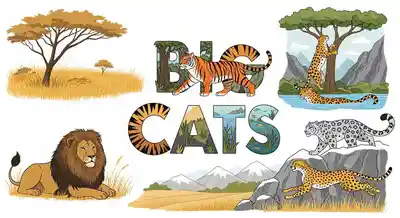 Big Cats
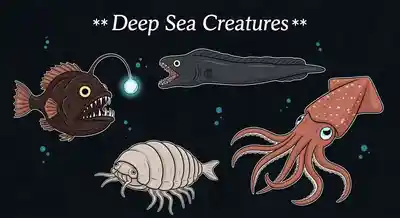 Deep Sea Creatures
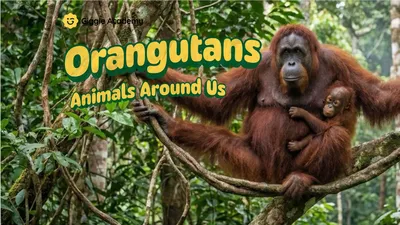 Orangutans
 Gorillas
 A Glowing Seed
 The Big Pot
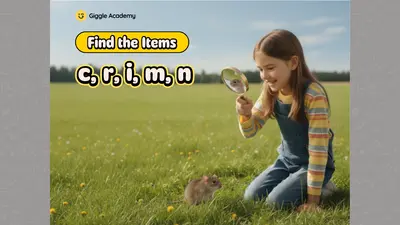 Find the Items (c, r, i, m, n)
 Max and the Vanishing Pasta
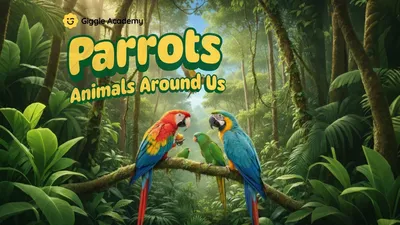 Parrots
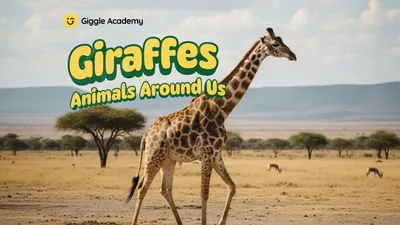 Giraffes
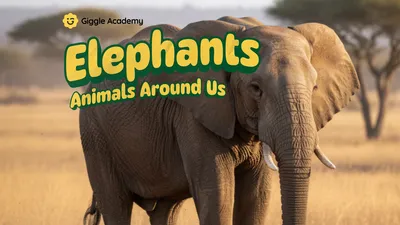 Elephants
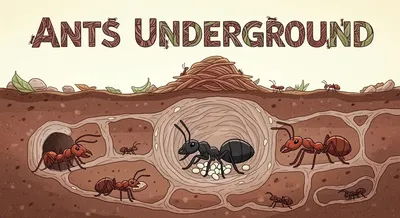 Ants Underground
An informative and engaging introduction to the largest members of the cat family, highlighting their habitats, behaviors, and conservation status. Written in clear, simple language suitable for young readers interested in wildlife and nature.
An informative and engaging introduction to the mysterious deep sea, exploring its unique environment and diverse creatures through clear, simple language suitable for young readers.
This is a factual and straightforward non-fiction book that introduces young readers to orangutans, covering their habitat, physical characteristics, diet, and social behavior in a calm and accurate tone.
A simple and factual introduction to gorillas, exploring their habitat, physical characteristics, and behaviors through clear and concise language, suitable for young readers.
A little girl found a glowing seed, so she took it home, planted it, and took good care of it. But the seed still hadn’t sprouted. When she noticed all the plants outside her window were thriving, she finally realized what the seed needed. 小女孩发现了一颗会发光的种子,于是她把种子带回家种下并细心照顾,但是种子却迟迟不发芽。小女孩发现窗外的植物都生长得茂盛,终于明白了种子需要什么。
A very simple story about a pot that causes a problem, leading to upset parents, but ultimately ending with comforting hugs. Ideal for very young readers learning basic words and emotions.
This simple story introduces young readers to basic objects and asks them to identify what they see, encouraging observation and vocabulary development.
When Max discovers that heavy bowls of pasta are getting lighter, it leads him on a noodle-filled adventure to solve the mystery of the vanishing pasta.
This factual picture book introduces young readers to parrots, covering their basic characteristics, habitats, and behaviors with clear, simple language and scientifically accurate information.
A simple, factual picture book introducing young readers to giraffes, describing their physical characteristics, habitat, diet, and social behavior.
A simple, factual book introducing young readers to elephants, focusing on their physical characteristics and behavior in a clear, concise manner, suitable for early vocabulary building.
An informative and realistic exploration of ants and their colonies, explaining their roles, behaviors, and importance in nature. The story uses straightforward language and scientific facts to engage young readers interested in insects and biology.
© Copyright 2024 - Giggle Academy
上海吉咯教育科技有限公司
Copyright © 2026 - Giggle Academy