

Pterosaurs and Flying Reptiles
 Giggle Academy
This educational story introduces young readers to pterosaurs, the flying reptiles that lived alongside dinosaurs. It presents scientific facts in clear, engaging language to explain their physical characteristics, behaviors, and habitats, providing a vivid picture of prehistoric skies and the diversity of ancient life.
 6 - 10 کلن
Pterosaurs were flying reptiles that lived with the dinosaurs. They ruled the skies for more than 150 million years.
Pterosaurs are not dinosaurs. They were close relatives that evolved to fly.
Pteranodon was one of the best-known pterosaurs. It had a wingspan of over 6 meters and a long head crest.
Quetzalcoatlus was the largest flying animal ever known. Its wings could stretch more than 10 meters across.
Rhamphorhynchus had a long tail with a diamond-shaped vane. It helped the animal steer in the air.
Dimorphodon had a big head and strong teeth. It likely hunted fish and small reptiles.
Pterosaurs had wings made of skin and muscle. The wing stretched from the body to an extended finger.
They could soar for hours on rising air currents. Some lived near oceans, others inland by rivers and forests.
Many pterosaurs had crests on their heads. Crests may have been used for display or balance.
Pterosaurs laid eggs. Fossil nests show that some lived in colonies.
Some were tiny, with wingspans under half a meter. Others were giants as tall as giraffes.
They ate fish, insects, and small animals. Their diets depended on their size and habitat.
Pterosaurs disappeared 66 million years ago. They went extinct at the same time as most dinosaurs.
Fossils of pterosaurs help scientists learn how flight evolved. They show the diversity of life in prehistoric skies.
Pterosaurs were masters of the ancient air. They filled the skies with shapes unlike any animals today.
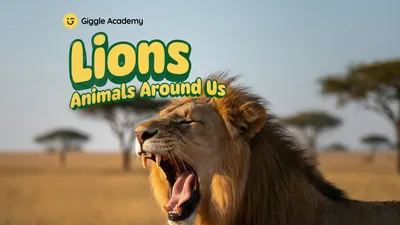 Lions
Lions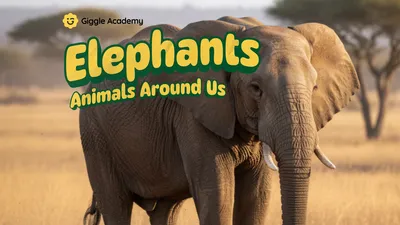 Elephants
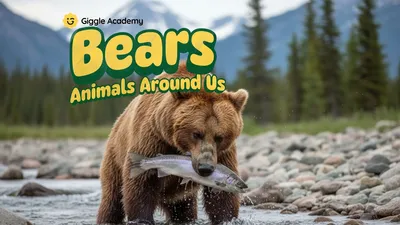 Bears
Bears Dogs
Dogs Cats
Cats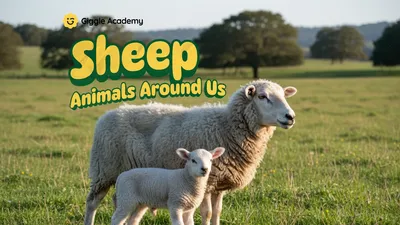 Sheep
Sheep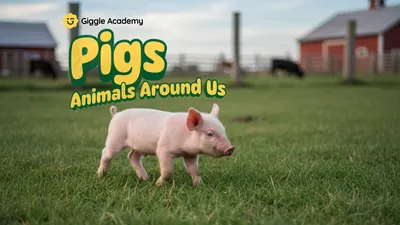 Pigs
Pigs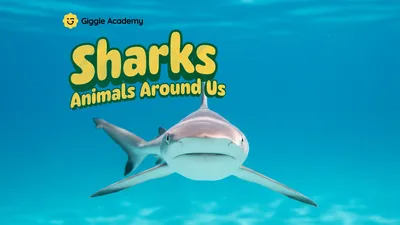 Sharks
 Sea Turtles
 Gorillas
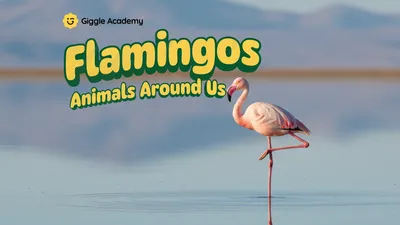 Flamingos
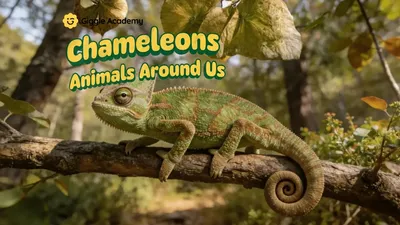 Chameleons
A simple, factual introduction to lions, describing their basic characteristics, habitat, and social behavior in a clear and concise manner. Part of the "Wild Animals Around Us" series.
A simple, factual book introducing young readers to elephants, focusing on their physical characteristics and behavior in a clear, concise manner, suitable for early vocabulary building.
A factual and clear nonfiction book that introduces young readers to bears, covering their physical characteristics, habitat, diet, and social groups. The book maintains a strictly scientific tone with no anthropomorphism.
A simple and factual picture book introducing young readers to dogs as pets, covering basic vocabulary and characteristics like fur, paws, food, water, and puppies. Designed in a documentary style with clear, calm language.
A simple, factual picture book that introduces young readers to cats as pets, covering basic characteristics and needs in a clear, documentary style.
This is a simple non-fiction book that introduces young readers to sheep. It covers where sheep live, what they eat, their physical characteristics like wool and legs, and the name for a baby sheep. The book also reinforces key vocabulary words.
This book introduces young children to pigs. It covers basic facts about where pigs live, what they look like, and some of their behaviors, like eating and enjoying mud. Simple vocabulary and repetitive sentence structures are used to help early readers build confidence.
An introductory book about sharks, detailing their physical characteristics like fins, tails, and teeth, and their habitat in the sea. It uses simple language to help young readers learn about these marine animals.
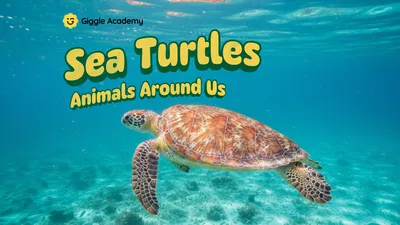
An introductory book about sea turtles, designed for early readers. It covers basic facts about their habitat, physical characteristics, and behaviors using simple language and high-frequency words.
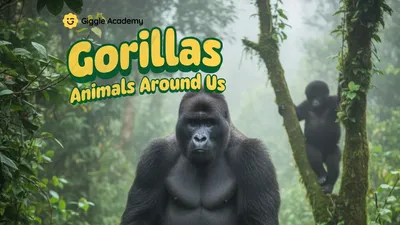
A simple and factual introduction to gorillas, exploring their habitat, physical characteristics, and behaviors through clear and concise language, suitable for young readers.
A factual, documentary-style picture book introducing young readers to the basic characteristics of flamingos, such as their habitat, physical features, diet, and social behavior.
A factual and clear picture book introducing young readers to chameleons, covering their physical characteristics, habitat, diet, and life cycle with strict scientific accuracy and no anthropomorphism.
© د کاپي حق 2024 - ګیګل اکاډمي
上海吉咯教育科技有限公司
Copyright © 2026 - Giggle Academy