

FLYING DUCK ORCHID (CALEANA MAJOR)
 Sluvk
SluvkDiscover the incredible Flying Duck Orchid, a plant from Australia that mimics a duck in flight to trick male sawflies into pollinating it. Learn about its unique biological mechanisms, symbiotic relationships, and how it survives through ingenious deception.
 8 - 12 کلن
Hidden within the vast, sun-drenched eucalyptus woodlands of Southern and Eastern Australia, a small and peculiar creature appears to be frozen in mid-flight.
It has a tiny reddish-brown body, wings swept back, and a distinctive "beak" pointing forward. But if you look closer, you will find that this is not a bird at all—it is the Flying Duck Orchid, a master of botanical deception and mechanical ingenuity.
The most striking feature of Caleana major is its near-perfect mimicry. Standing only about 20 centimeters tall, the orchid produces flowers that look exactly like a duck in flight. This shape is not a coincidence or a mere whim of nature; it is a highly specialized tool designed for a very specific mission: pseudocopulation.
Biologically, the orchid is a "trickster." It does not produce nectar to reward its visitors. Instead, the "head" of the duck (the labellum) mimics the scent and appearance of a female sawfly. Male sawflies, searching for a mate, are lured in by these pheromone-like chemicals.
When the male sawfly lands on the "head" of the duck, he triggers one of the most remarkable mechanical reactions in the plant world.
The labellum is sensitive to weight and touch. The moment the insect lands, the "duck’s head" swings downward on a hinge-like structure, slamming the insect into the body of the flower (the column). This movement is swift and deliberate. The insect is not harmed, but he is temporarily trapped in a tight space where the orchid’s pollen is stored.
As the sawfly struggles to escape the "body" of the orchid, he is forced to rub against the pollinia (pollen masses). By the time the flower releases its grip and the "duck’s head" swings back up, the sawfly emerges with pollen stuck to his back.
Confused but undeterred, he flies away, only to be tricked again by the next Flying Duck Orchid, thereby completing the cycle of cross-pollination for the plant.
The Flying Duck Orchid is also a testament to the complex relationships in nature. It is notoriously difficult to cultivate outside of its native habitat. This is because the orchid relies on a symbiotic relationship with a specific type of soil fungus found only in the Australian bush. Without this hidden fungal partner to help it absorb nutrients, the orchid cannot survive, which is why you will never find this "flying bird" in a common flower shop.
In terms of scale, the flower is quite small—only about 1.5 to 2 centimeters long. Its dark, reddish-purple color helps it blend into the shadows of the forest floor, making it a "hidden gem" for hikers and botanists. Because of its small size and specific habitat requirements, the Flying Duck Orchid remains a symbol of the fragile and intricate beauty of the Australian ecosystem.
Scientifically, this orchid belongs to a group of plants that utilize sexual deception. While most flowers "pay" for pollination with sugar (nectar), the Flying Duck Orchid has evolved to manipulate the behavior of animals through advanced chemistry and physics. It is a biological engineer that uses its own body as a trap and its scent as a lure.
The story of the Flying Duck Orchid is a narrative of wild imagination and survival. it reminds us that nature is full of surprises, where a plant can "fly" without wings and a tiny flower can outsmart an insect through the art of the perfect disguise.
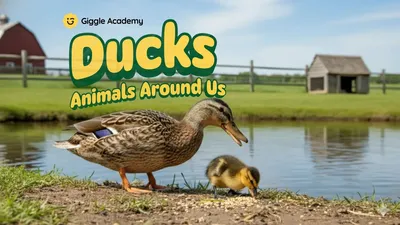 Ducks
Ducks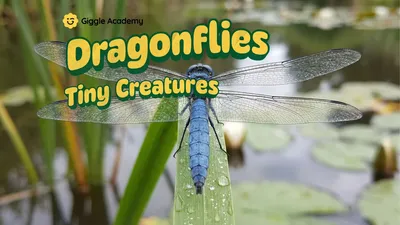 Dragonflies
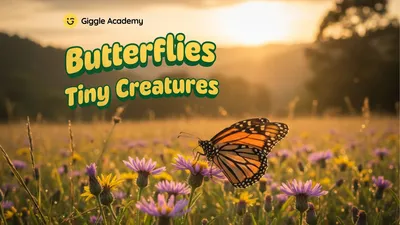 Butterflies
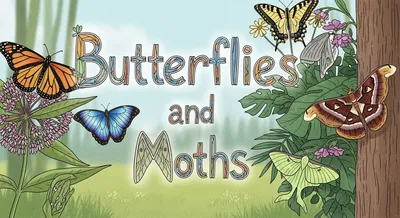 Butterflies and Moths
 O - O - Office
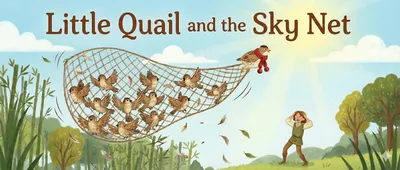 Little Quail and the Sky Net
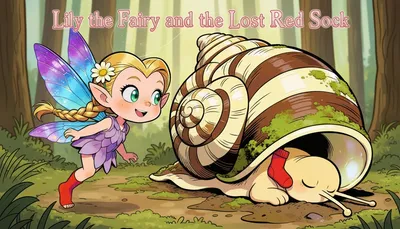 Lily the Fairy and the Lost Red Sock
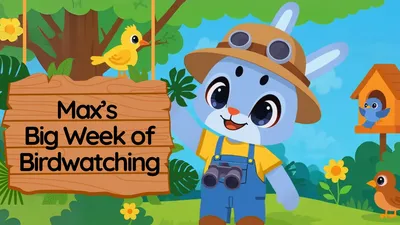 Max's Big Week of Birdwatching
 Pilot Max: Delivery to Sandy Shell Island
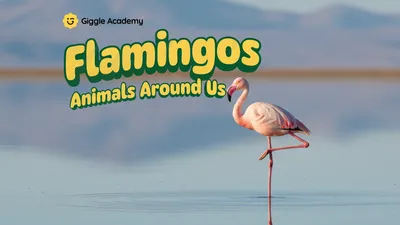 Flamingos
 U - U - Up
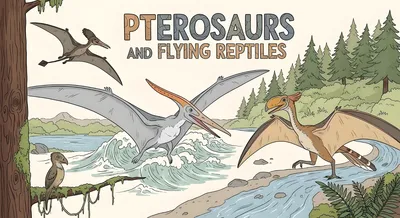 Pterosaurs and Flying Reptiles
A simple and factual picture book introducing young readers to ducks as farm animals, describing their basic characteristics and behaviors.
Discover the incredible world of dragonflies! Learn about their unique ability to fly forward and backward, their big eyes, and how they transform from water nymphs to winged adults. A fascinating look at these amazing insects.
Discover the amazing world of butterflies in this factual and wonder-filled reader. Learn about their colorful wings, unique feeding habits, incredible life cycle from egg to chrysalis, and the astonishing journeys some take across vast distances, all while helping flowers grow.
An informative and realistic exploration of butterflies and moths, highlighting their physical features, behaviors, habitats, and ecological importance. The story is written in clear, simple language suitable for young readers interested in nature and science.
This playful phonics story follows Max through a busy animal office, where he works alongside funny coworkers whose names all start with O—like ox, otter, and octopus. With one word per page and bright, amusing illustrations from their workday, children hear and repeat the short letter o sound /ɒ/, building strong sound–letter connections.
A gentle retelling of a Jataka tale where a little quail teaches her flock the power of unity against a hunter. When squabbles begin to break their rhythm, they learn a hard lesson about the importance of togetherness.
Join Lily the fairy on a sweet rhyming adventure as she searches for her lost red sock. With jingling wings, she peeks under mushrooms, behind daisies, and even inside a snail shell, until she finally finds her missing item.
Max goes birdwatching every day of the week, happily checking off a new bird each time—until he’s left wondering, when will I finally spot a pigeon?
Max has to follow the directions to deliver a special package to Sandy Shell Island. But can he remember which way to go?
A factual, documentary-style picture book introducing young readers to the basic characteristics of flamingos, such as their habitat, physical features, diet, and social behavior.
This bright picture story follows Max the Rabbit as he goes up in a hot air balloon, giving young readers many chances to hear and say the short u sound /ʌ/. Told with simple one-word-per-page text and clear, engaging illustrations, children watch Max feel up, then uh-oh as the flame goes off and he comes down safely to the ground, reinforcing the short u sound through repetition and visual storytelling.
This educational story introduces young readers to pterosaurs, the flying reptiles that lived alongside dinosaurs. It presents scientific facts in clear, engaging language to explain their physical characteristics, behaviors, and habitats, providing a vivid picture of prehistoric skies and the diversity of ancient life.
© د کاپي حق 2024 - ګیګل اکاډمي
上海吉咯教育科技有限公司
Copyright © 2026 - Giggle Academy