

Dragon Fruit: The Cactus That Roars
 Sluvk
SluvkDiscover the incredible story of the Dragon Fruit, a magnificent cactus fruit from Vietnam and Central America. Learn about its unique appearance, how it grows, its nocturnal flowers, and its surprising health benefits. This story reveals how a plant can adapt and thrive, becoming a symbol of strength and prosperity.
 6 - 10 کلن
Rising from the sun-drenched plains of Vietnam and the tropical landscapes of Central America, there is a fruit that looks like it belongs in a storybook about mythical creatures. With its vibrant neon-pink skin and green, flame-like "scales," the Dragon Fruit—known in Vietnamese as Thanh Long—is a botanical masterpiece. It is not just a fruit; it is a symbol of strength and prosperity that holds many secrets within its scaly armor.
The most surprising biological fact about the Dragon Fruit is that it doesn't grow on a traditional tree. It is actually the fruit of a climbing cactus. Unlike the cacti you might see in a desert movie, this one is a "hitchhiker" of the forest. It uses its aerial roots to cling to trees, rock walls, or concrete pillars, reaching toward the sky to find the best sunlight. It is a plant that knows how to adapt, turning even a dry pillar into a source of life.
The name "Dragon Fruit" comes from its extraordinary appearance. The leaf-like structures on the outside are called bracts. These bracts curve outward like the scales of a legendary dragon. In Asian culture, the dragon is a symbol of power and good luck, and the fruit’s bright red color is seen as a sign of energy. This "dragon" look isn't just for show; the thick, waxy skin protects the juicy interior from the intense tropical heat.
Before the fruit appears, the plant produces one of the most spectacular sights in the world: the "Queen of the Night" flower. These blossoms are massive, sometimes reaching 30 centimeters in length. They are nocturnal, meaning they only bloom for a single night. As the sun sets, the white, fragrant flowers open up like stars in the dark, filling the air with a sweet scent to signal their special guests.
Because the flowers bloom at night, the Dragon Fruit has partnered with "creatures of the dark" for pollination. Its primary friends are fruit bats and large moths. These nocturnal travelers fly from flower to flower, drinking nectar and carrying pollen on their fuzzy bodies. By morning, the flower wilts, its one-night performance over, and the base begins to swell into the fruit we love to eat.
When you slice open a Dragon Fruit, you find a beautiful contrast to its fiery exterior. The flesh is usually snow-white or a deep, vivid purple, speckled with thousands of tiny, crunchy black seeds. These seeds look like black sesame seeds, and they are completely edible. They are packed with healthy fats (Omega-3 and Omega-6), proving that even the smallest parts of a fruit can hold great nutritional power.
Scientifically, the Dragon Fruit is a succulent, which means it is a master of water conservation. Its thick, fleshy stems store water like a reservoir, allowing it to survive through long periods of drought. This makes it a hero of the "dry season," providing a refreshing, hydrating snack when other fruits might struggle to grow. It is a plant that thrives on sunshine and needs very little to produce a lot.
The seeds of the Dragon Fruit play a vital role in seed dispersal. When birds or small animals eat the fruit, they swallow the tiny seeds whole. Because the seeds are so small and have a tough coating, they pass through the animal's digestive system unharmed. This allows the "dragon" to travel far and wide, sprouting new cactus vines in distant places, often high up in the branches of other trees.
In Vietnam, Dragon Fruit farming has created a unique "night-time landscape." During the cooler months, farmers use thousands of incandescent light bulbs to illuminate the fields at night. This tricks the plants into thinking the days are longer, encouraging them to bloom and produce fruit even in the winter. From an airplane, these "dragon hills" look like a sea of golden lights glowing in the dark.
From a health perspective, the Dragon Fruit is a "Superfruit." It is rich in Vitamin C, fiber, and iron. The deep red varieties are particularly special because they contain high levels of betalains, the same powerful antioxidants found in beets. These nutrients help keep our hearts healthy and our skin glowing, making the dragon’s gift as beneficial as it is beautiful.
There are three main varieties of Dragon Fruit, each with its own personality. The most common has pink skin with white flesh, which is mild and sweet. Then there is the pink skin with red flesh, which is much sweeter and stains your tongue a funny purple! Finally, there is the yellow-skinned variety, which is the smallest but often the sweetest of them all, with a flavor that reminds people of honey.
The story of the Dragon Fruit is a narrative of resilience and radiance. It teaches us that even if you start as a simple cactus in a dry land, you can grow into something magnificent and full of life. It stands as a reminder that we can find strength in our surroundings and that sometimes, the most magical things—like the dragon's flower—happen while the rest of the world is fast asleep.
 The Nian Beast
 Why Lion Roars
 Dragonflies
 Fruit
Fruit I Don't Understand
 The Jackal and the Drum
 Rhinos
 Where is the Hat?
 Donkeys
 The Shared Strawberry
 Lions
Lions Hungry Caterpillar
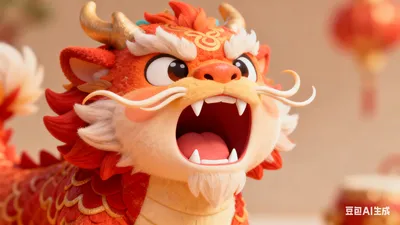
The Nian Beast On New Year's Eve, when the sky is dark, The Nian Beast quietly emerges. With round eyes and pointed ears, It opens its mouth and roars. Everyone sets off firecrackers together, The Nian Beast hears them and jumps in fright. The Nian Beast flees, and we laugh, Good fortune for the New Year arrives for all.
A charming tale about a young Lion who starts with a tiny squeak and struggles to find his roar. With encouragement from his friends and the power of nature, he finally discovers his mighty roar, teaching children about courage and self-discovery in a playful and heartwarming story.
Discover the incredible world of dragonflies! Learn about their unique ability to fly forward and backward, their big eyes, and how they transform from water nymphs to winged adults. A fascinating look at these amazing insects.
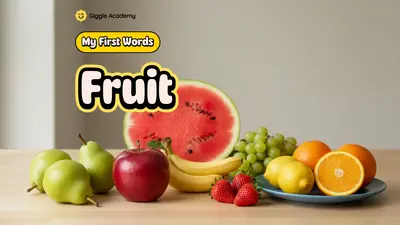
A simple and direct early reader designed to introduce young children to common fruits. Each page features a clear illustration of a single fruit, helping children identify and name them. Perfect for building early vocabulary.
A playful and simple story where Max does not understand what the animals are trying to tell him, leading to a surprising and relatable conclusion about lunchtime.
A gentle and engaging story about a jackal exploring a dry, windy forest on a hot day. Through simple, rhythmic language and playful repetition, the story encourages curiosity and teaches children that not all scary sounds are dangerous—some can lead to delightful surprises.
A documentary-style picture book introducing young readers to rhinoceroses. It describes their physical characteristics, diet, habitat, and social behavior in a clear, factual manner.
A simple and repetitive story perfect for early readers, introducing basic vocabulary and concepts of location with a hat, a cap, and a bat.
A documentary-style picture book introducing young readers to donkeys as farm animals, describing their appearance and actions in clear, factual language.
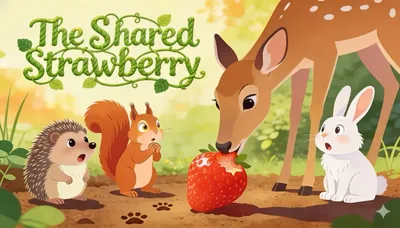
Hedgehog, Squirrel, and Rabbit all want a big, red strawberry. They argue about who saw it first, but when a hungry Deer eats it, they learn that friendship and sharing are more important than a delicious treat.
A simple, factual introduction to lions, describing their basic characteristics, habitat, and social behavior in a clear and concise manner. Part of the "Wild Animals Around Us" series.
A hungry caterpillar eats its way through various fruits, grows big, and then transforms into a beautiful butterfly. This simple story introduces numbers and fruits.
© د کاپي حق 2024 - ګیګل اکاډمي
上海吉咯教育科技有限公司
Copyright © 2026 - Giggle Academy