

Frank and the Frozen Stick Surprise
 NianNian Education
Discover the delightful true story of Frank Epperson, an eleven-year-old boy from San Francisco, who accidentally invented the Popsicle on a hot summer night in 1905. This engaging tale follows Frank and his friends as they experiment, learn about science, and turn a happy mistake into a frozen treat loved by millions worldwide.
 6 - 10 onns vegl
Once upon a time, in the foggy, hilly city of San Francisco where cable cars clanged like cheerful bells and the bay sparkled like a giant's teardrop, there lived a bubbly boy named Frank Epperson. Frank was eleven years old, with cheeks rosy as ripe cherries and a grin that could melt the iciest frown. He loved summer adventures—chasing seagulls on the beach, building sandcastles taller than Papa, and mixing up fizzy drinks in the kitchen like a mad scientist. "Soda water with cherry powder!" he'd holler, stirring so fast his spoon splashed like a tiny waterfall. But oh, what a hot summer it was in 1905! The sun baked the sidewalks like cookies in an oven, and even the ocean breeze whispered, "Too toasty!"
One sweltering evening, after a day of tag with his neighborhood pals, Frank whipped up his favorite treat: a tall glass of water swirled with sweet orange-flavored powder, topped with a wooden stirring stick for good measure. "The stick makes it fancy—like a magic wand!" he told his little sister, who clapped her hands in delight. But as the sun dipped low, painting the sky in strawberry swirls, Frank got sidetracked. A street vendor was selling shiny marbles, and—zoom!—off he dashed, forgetting his glass on the porch. Night fell soft as a blanket, and a sneaky chill crept in from the bay. By morning, that forgotten drink had a frosty secret waiting.
Frank bounded outside at dawn, toes wiggling in the cool grass, ready for marbles and mischief. But—crunch!—his slipper hit something solid. There, on the porch step, stood his glass, the liquid inside frozen solid as a glacier! The stick poked out like a brave flag in an ice castle. "Whoa!" Frank gasped, grabbing it carefully. He gave it a wiggle—crack!—and pulled out a shimmering icicle on a stick, flavored with sunny orange. One lick, and fireworks exploded in his mouth: sweet, cold, slurpy joy! "It's like summer captured in a freeze!" he whooped, eyes wide as dinner plates. But how? Why? Frank's curious brain buzzed like a beehive. Lesson one: Cold changes things! He remembered school talks about states of matter—liquid water turns to solid ice when chilly enough, like a sneaky shape-shifter.
Word of the "frozen stick surprise" spread faster than spilled marbles. Frank's pals gathered 'round the porch like eager squirrels. "Taste this, team!" he announced, rallying his crew: speedy Sam, the runner who fetched extra powder; inventive Izzy, who sketched wild flavors on scrap paper; and thoughtful Tilly, the taster who wrinkled her nose at "yucky" mixes. "We're on a quest: Turn my oops into everyone's yum!" First, they experimented in the shade of the lemon tree—science station activated! Frank poured fresh batches: water plus powder (that's dissolving, kids—solids mixing into liquids like friends joining a puddle jump). Stir, stick, set outside overnight. Patience is key, Tilly noted, timing it with a sundial they built from stones. "Freezing takes time, like growing a bean sprout."
But oh, the hilarious hiccups! One batch melted too fast in the heat—splat!—turning to a sticky puddle that glued Sam's shoes. "Too warm—need colder tricks!" Frank laughed, learning about temperature: Below 32 degrees Fahrenheit (0 Celsius), water locks arms into ice crystals, crisp and crunchy. Izzy drew diagrams: Arrows for heat escaping, wiggly lines for flavor swirling in. They tried grape next—purple pops that stained tongues like berry bandits! Then lemon—zesty zingers that puckered faces like surprised fish. Trial after trial, they discovered ratios: Too much powder? Grainy like sand. Too little? Bland as bathwater. "Balance is boss!" Sam cheered, racing for more supplies. Through giggles and goofs, they nailed it: A perfect frozen treat, easy to hold, no drippy mess—just pure, portable delight.
By afternoon, Frank was the neighborhood hero, trading "Epsicles" (named after him, of course!) for a penny or a high-five. Kids slurped them on stoops, sharing stories of pirate ships and dragon dances. Frank's papa, a theater man with a booming laugh, saw the sparkle. "This could light up stages—and streets!" he said. For eighteen sunny years, Frank peddled his pops from a wagon, tweaking recipes like a flavor wizard: Vanilla swirls for creamy dreams, lime zips for tangy twists. In 1924, at twenty-nine (but with a boy's heart), he patented it officially as the "Popsicle"—a name that stuck like honey!
Years swirled by like colorful flavors, and Frank's frozen friend evolved into a worldwide wonder. In the 1930s, factories churned out millions, wrapped in crisp paper for sharing. By the 1950s, rocket-shaped molds added whoosh to every lick—teaching kids about molds and manufacturing! Today, in our zippy 2025 world, Popsicles are superstars: Low-sugar versions for healthy heroes, organic fruits from faraway farms (hello, sustainability lesson!), and even glow-in-the-dark ones for summer stargazing parties. Scientists use freezing tech for vaccines and ice cream dreams, all sparked by Frank's porch oops. Fun fact: One lick packs vitamin C from real juice—learning on a stick!
And so, dear slurpers and dreamers, remember Frank Epperson: A boy who turned a chilly forget-me-not into frozen fame. He showed us science hides in everyday slips—mix, freeze, taste, repeat! Next time you savor a popsicle's chill, whisper thanks to the kid with the sticky stick. Who knows? Your next "whoops" might be the world's next wow!
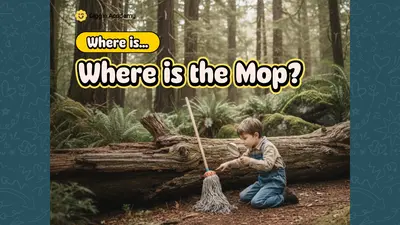 Where is the Mop?
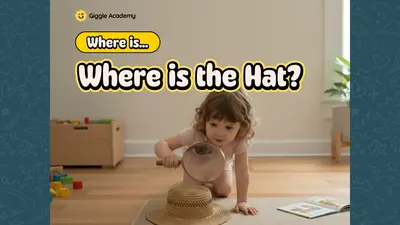 Where is the Hat?
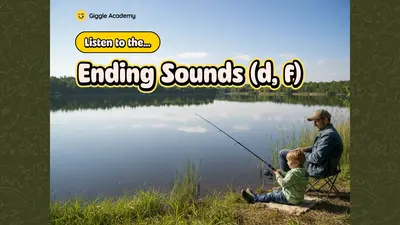 Listen to the Ending Sounds! (d, f)
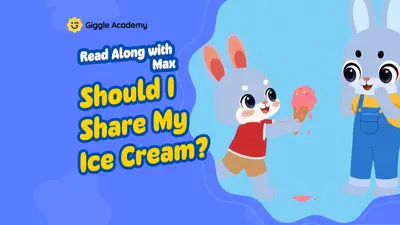 Should I Share My Ice Cream?
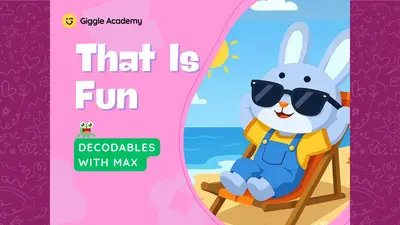 That Is Fun!
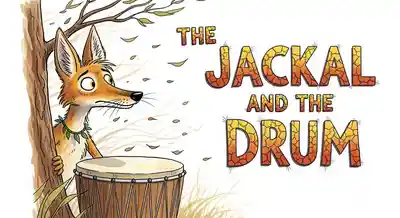 The Jackal and the Drum
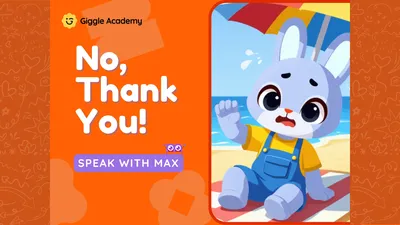 No, Thank You!
 Kitchen Appliances
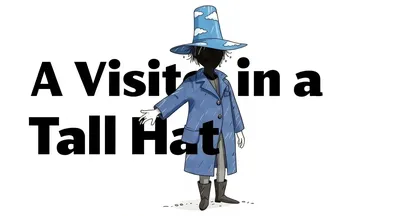 A Visitor in a Tall Hat
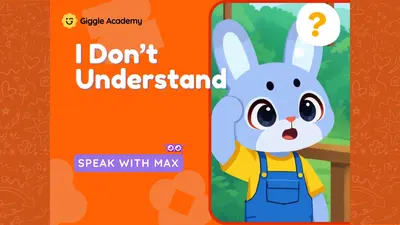 I Don't Understand
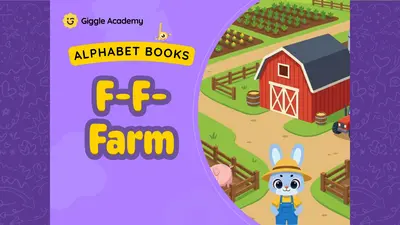 F - F - Farm
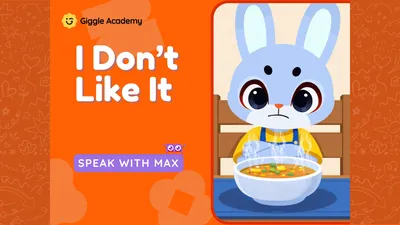 I Don't Like It
This simple story introduces young readers to various objects and animals, such as a mop, a dog, and a frog, all positioned next to a log. The repetitive structure and clear questions encourage observation and early comprehension skills, culminating in a playful twist about too much fog.
A simple and repetitive story perfect for early readers, introducing basic vocabulary and concepts of location with a hat, a cap, and a bat.
A simple and sweet story for young children, following a child's day from fishing with dad to dreaming of an elf, with a focus on word recognition and rhyming sounds.
Tom gets a big, yummy ice cream but struggles with the idea of sharing it. After some thought, he decides to share with Max, but discovers his ice cream has melted. This simple story explores themes of sharing, friendship, and quick decisions for young readers.
In this decodable story, Max has a fun day in the sun as he goes for a run and eats a hot dog bun. Early readers will enjoy practicing -un rhyming words and simple sight words while following Max’s beach adventure.
A gentle and engaging story about a jackal exploring a dry, windy forest on a hot day. Through simple, rhythmic language and playful repetition, the story encourages curiosity and teaches children that not all scary sounds are dangerous—some can lead to delightful surprises.
A simple and sweet story about a child's preferences for a cool treat on a hot day, featuring repetitive dialogue that is great for young readers.
This book introduces young children to common kitchen appliances through simple, repetitive phrases and clear illustrations. It focuses on vocabulary building and recognition of everyday objects like toasters, kettles, ovens, stoves, microwaves, and blenders.
On a rainy afternoon, siblings Lila and Theo find their boredom lifted by a whimsical visitor wearing a tall hat decorated with clouds. Through playful magic involving paper airplanes and scarves, the mysterious guest turns a quiet day into a lively adventure, teaching about fun, messiness, and tidiness in a cozy suburban home setting. The story features gentle humor, imaginative fantasy, and warm family moments, perfect for young children.
A playful and simple story where Max does not understand what the animals are trying to tell him, leading to a surprising and relatable conclusion about lunchtime.
This playful picture story follows Max as he spends a fun-filled day on his farm, giving young readers lots of chances to hear and say the letter f sound. Through bright illustrations and a simple one-word-per-page format, children learn the /f/ sound while enjoying Max’s farm adventure.
A very simple story perfect for young children, exploring preferences with a repetitive structure.
© Copyright 2024 - Giggle Academy
上海吉咯教育科技有限公司
Copyright © 2026 - Giggle Academy