

- Главная
- Герой Giggle
- Поддержите нас
- Giggle Classroom
- О нас

- Главная
- Герой Giggle
- Поддержите нас
- Giggle Classroom
- О нас

 Все возрасты
 Все языки
 Все темы
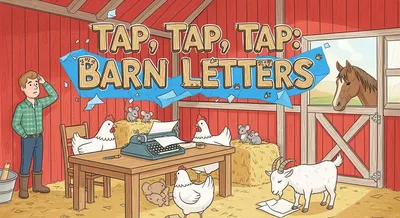 Tap, Tap, Tap: Barn Letters
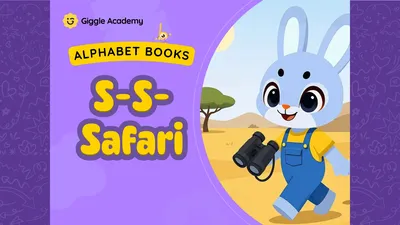 S - S - Safari
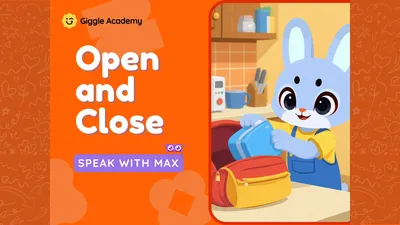 Open and Close
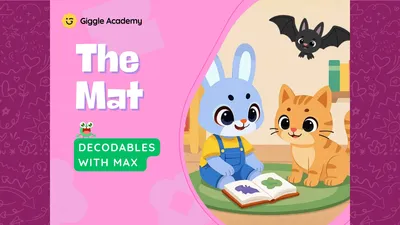 Repeat-After: The Mat
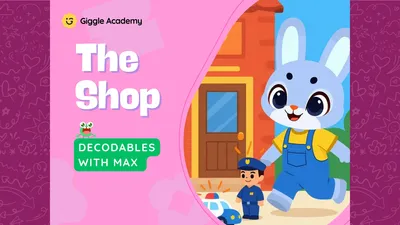 The Shop
 Bibo and Mischievous Mess
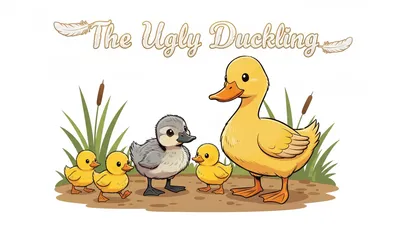 The Ugly Duckling
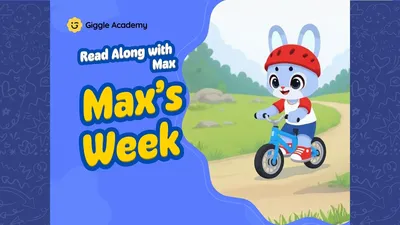 Max's Week
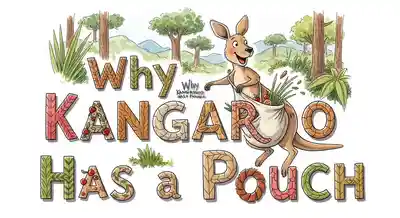 Why Kangaroo Has a Pouch
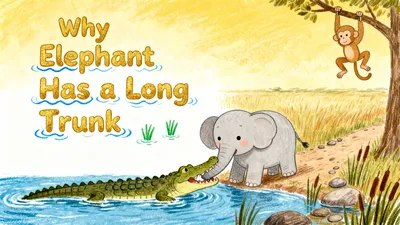 Why Elephant Has a Long Trunk
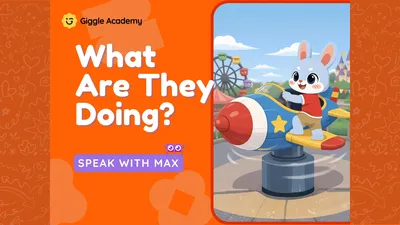 What Are They Doing?
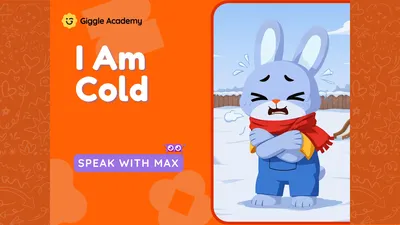 I Am Cold
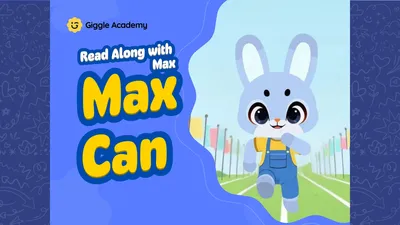 Max Can
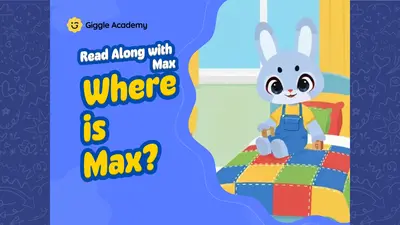 Where is Max?
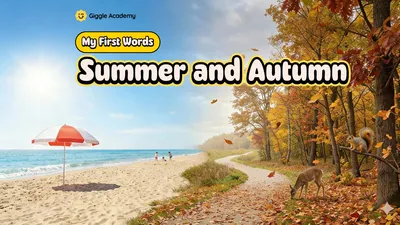 Summer and Autumn
A warm and humorous farmyard story set in a cozy red barn where Farmer Jo and his playful animal friends communicate through mysterious typed letters. The gentle narrative captures moments of surprise and laughter as the animals express their needs, making it perfect for young children to enjoy and imagine farm life.
Max goes on a sunny safari to see, spot, and search for animals, using simple /s/ words on every page. Early learners can follow his adventure while learning beginning-sound S words like sun, sand, snake, swing, and stars.
A simple story for young children demonstrating basic actions like 'open' and 'close' through a series of commands given to Max, culminating in a playful surprise.
Max, a cat, and a bat all squeeze onto a mat to read a book but when a rat tries to join, there’s just no room! With simple decodable text and rhyming -at words, young readers can enjoy reading on their own.
Max visits a toy shop with his dad, but soon his games make a big mess. In this fun, decodable story, early readers can hear and say rhyming -op words like mop, shop, and hop.
Bibo, a playful bunny, loves his toys but hates cleaning up! One day, he discovers Sweepy, a magical dustpan with a giggly smile and sparkly powers. Together, they tackle the mess. Can Bibo learn the magic of responsibility? Join their adventure!
A gentle retelling of the classic fairy tale about a little gray duckling who feels different and lonely, but eventually grows into a beautiful swan and finds where it truly belongs.
A simple picture book perfect for young children, introducing the days of the week and common actions through the consistent routine of Max, a friendly blue rabbit. The calm, rhythmic text and repetitive structure are ideal for early listening and speaking practice.
A charming and playful tale explaining why kangaroos have pouches, following a snack-loving kangaroo's inventive attempts to carry her treats. Written in a lighthearted and engaging style, it's perfect for young children learning about animals through imaginative storytelling.
This humorous origin tale explains how a curious little Elephant, with a very short trunk, ended up with the long, versatile trunk we know today. Through a playful encounter with a wily Crocodile, Elephant's nosiness leads to a stretchy surprise. This story is perfect for young readers who love funny animals and engaging adventures, filled with vivid descriptions and a lighthearted tone.
This playful story introduces young readers to simple actions and vehicles through a series of questions and answers, perfect for early language development and interactive reading.
A very simple story about a character who is cold and lists various things they need to feel warm and comforted.
Join Max, an adorable bunny child, as he demonstrates simple actions like jumping, kicking, walking, swimming, running, and playing. This early reader story uses clear, repeatable visuals and basic action verbs to help young learners build vocabulary and comprehension.
A simple and playful interactive picture book for young children, featuring Max the bunny as he explores his bedroom. This story focuses on learning basic location words and sentence patterns through predictable text and clear illustrations, making it ideal for early listening and speaking practice.
A simple early reader text introducing young children to the basic characteristics of summer and autumn through key vocabulary and observations like the sun, sea, umbrellas, and colorful leaves. Focused on comparison and observation rather than storytelling.