

Penguins of the World
 Giggle Academy
An informative and realistic overview of penguin species around the world, describing their habitats, physical characteristics, behaviors, and conservation challenges in clear and simple language suitable for young readers.
 6 - 10 years old
Penguins are flightless birds that live mostly in the Southern Hemisphere. They are excellent swimmers.
There are 18 species of penguins in the world. They live in icy, temperate, and even tropical regions.
The emperor penguin is the tallest and heaviest penguin. It can reach 1.2 meters in height.
The king penguin has bright orange markings on its head and neck. It forms large colonies on sub-Antarctic islands.
The gentoo penguin has a white stripe across its head. It is one of the fastest penguin swimmers.
The Adélie penguin has a black head with a white ring around each eye. It lives on the Antarctic coast.
The little penguin is the smallest species. It has slate-blue feathers and stands only 30 centimeters tall.
The Galápagos penguin lives near the equator. It survives in warm climates with cool ocean currents.
Penguins have strong flippers instead of wings. They use them to “fly” through water.
A thick layer of feathers and fat keeps penguins warm in cold seas. They are well adapted to harsh environments.
Most penguins eat fish, squid, and krill. They catch prey while swimming underwater.
Penguins gather in large groups called colonies. Some colonies have thousands of birds.
In many species, both parents care for the chicks. They take turns keeping the egg warm and finding food.
Penguins face threats from climate change, fishing, and pollution. Some populations are declining.
Protecting penguins means protecting their land, sea, and food sources. They are unique and important seabirds.
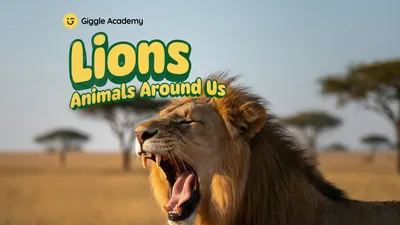 Lions
Lions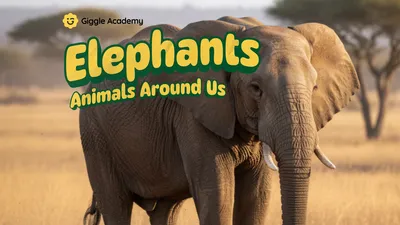 Elephants
 Bears
Bears Dogs
Dogs Cats
Cats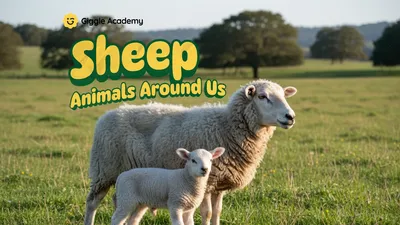 Sheep
Sheep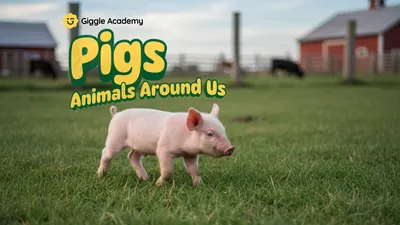 Pigs
Pigs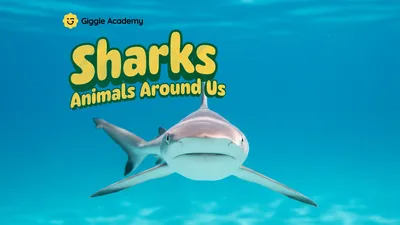 Sharks
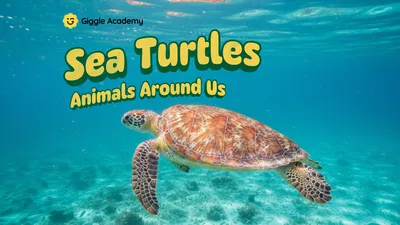 Sea Turtles
 Gorillas
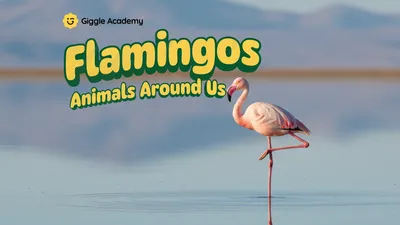 Flamingos
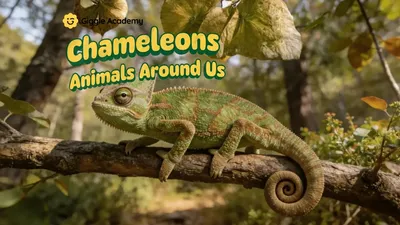 Chameleons
A simple, factual introduction to lions, describing their basic characteristics, habitat, and social behavior in a clear and concise manner. Part of the "Wild Animals Around Us" series.
A simple, factual book introducing young readers to elephants, focusing on their physical characteristics and behavior in a clear, concise manner, suitable for early vocabulary building.
A factual and clear nonfiction book that introduces young readers to bears, covering their physical characteristics, habitat, diet, and social groups. The book maintains a strictly scientific tone with no anthropomorphism.
A simple and factual picture book introducing young readers to dogs as pets, covering basic vocabulary and characteristics like fur, paws, food, water, and puppies. Designed in a documentary style with clear, calm language.
A simple, factual picture book that introduces young readers to cats as pets, covering basic characteristics and needs in a clear, documentary style.
This is a simple non-fiction book that introduces young readers to sheep. It covers where sheep live, what they eat, their physical characteristics like wool and legs, and the name for a baby sheep. The book also reinforces key vocabulary words.
This book introduces young children to pigs. It covers basic facts about where pigs live, what they look like, and some of their behaviors, like eating and enjoying mud. Simple vocabulary and repetitive sentence structures are used to help early readers build confidence.
An introductory book about sharks, detailing their physical characteristics like fins, tails, and teeth, and their habitat in the sea. It uses simple language to help young readers learn about these marine animals.
An introductory book about sea turtles, designed for early readers. It covers basic facts about their habitat, physical characteristics, and behaviors using simple language and high-frequency words.
A simple and factual introduction to gorillas, exploring their habitat, physical characteristics, and behaviors through clear and concise language, suitable for young readers.
A factual, documentary-style picture book introducing young readers to the basic characteristics of flamingos, such as their habitat, physical features, diet, and social behavior.
A factual and clear picture book introducing young readers to chameleons, covering their physical characteristics, habitat, diet, and life cycle with strict scientific accuracy and no anthropomorphism.
© Copyright 2026 - Giggle Academy
上海吉咯教育科技有限公司
Copyright © 2026 - Giggle Academy