

Giraffes and Zebras
 Giggle Academy
An informative and realistic introduction to the lives of giraffes and zebras on the African savanna. The story explains their physical traits, behaviors, species variety, and ecological roles, designed to educate young readers about wildlife and conservation.
 5 - 9 years old
Giraffes and zebras both live on the savannas of Africa. They are plant-eating mammals with very different body shapes.
Giraffes are the tallest land animals. They can grow up to 6 meters high.
A giraffe’s long neck helps it reach leaves. It feeds mainly on acacia trees.
Giraffes have different coat patterns. Masai giraffes have star-shaped spots, while reticulated giraffes have neat polygon patches.
Zebras are relatives of horses and donkeys. They are known for their black-and-white stripes.
Each zebra has a unique stripe pattern. No two zebras look exactly the same.
There are three main zebra species. Plains zebra, Grevy’s zebra, and mountain zebra.
Zebras live in herds. Groups help them watch for predators like lions.
Stripes may confuse predators. When zebras run together, their patterns blend in motion.
Giraffes have long, dark tongues. They strip leaves from thorny branches.
Both giraffes and zebras must drink water. They gather at rivers and watering holes.
Predators such as lions and hyenas hunt giraffes and zebras. Giraffes can kick hard, and zebras can bite and run fast.
These animals shape the savanna ecosystem. They eat grasses and leaves, keeping plants in balance.
Habitat loss and hunting threaten giraffes and zebras. Some populations are declining.
Protecting savannas helps giraffes and zebras survive. They are icons of Africa’s wild landscapes.
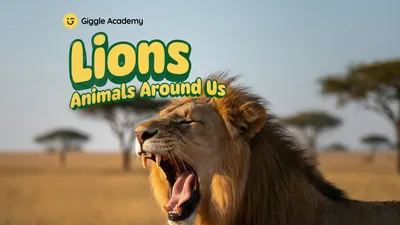 Lions
Lions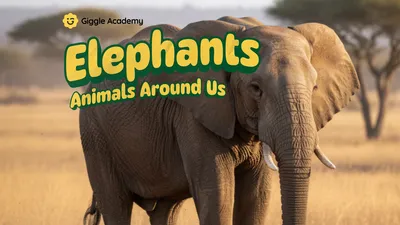 Elephants
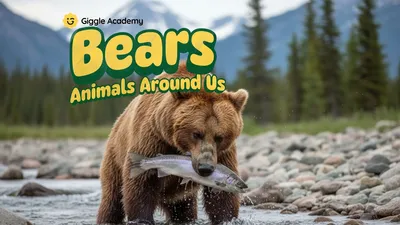 Bears
Bears Dogs
Dogs Cats
Cats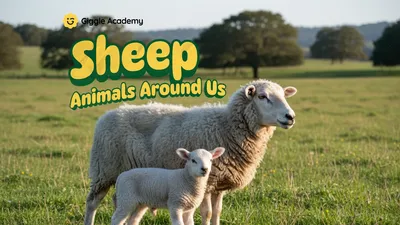 Sheep
Sheep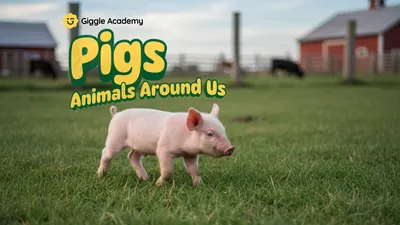 Pigs
Pigs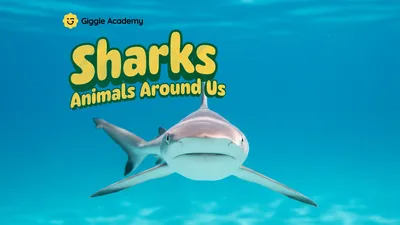 Sharks
 Sea Turtles
 Gorillas
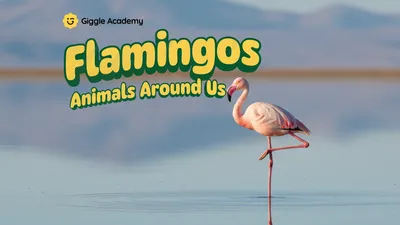 Flamingos
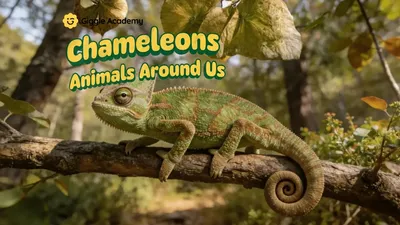 Chameleons
A simple, factual introduction to lions, describing their basic characteristics, habitat, and social behavior in a clear and concise manner. Part of the "Wild Animals Around Us" series.
A simple, factual book introducing young readers to elephants, focusing on their physical characteristics and behavior in a clear, concise manner, suitable for early vocabulary building.
A factual and clear nonfiction book that introduces young readers to bears, covering their physical characteristics, habitat, diet, and social groups. The book maintains a strictly scientific tone with no anthropomorphism.
A simple and factual picture book introducing young readers to dogs as pets, covering basic vocabulary and characteristics like fur, paws, food, water, and puppies. Designed in a documentary style with clear, calm language.
A simple, factual picture book that introduces young readers to cats as pets, covering basic characteristics and needs in a clear, documentary style.
This is a simple non-fiction book that introduces young readers to sheep. It covers where sheep live, what they eat, their physical characteristics like wool and legs, and the name for a baby sheep. The book also reinforces key vocabulary words.
This book introduces young children to pigs. It covers basic facts about where pigs live, what they look like, and some of their behaviors, like eating and enjoying mud. Simple vocabulary and repetitive sentence structures are used to help early readers build confidence.
An introductory book about sharks, detailing their physical characteristics like fins, tails, and teeth, and their habitat in the sea. It uses simple language to help young readers learn about these marine animals.
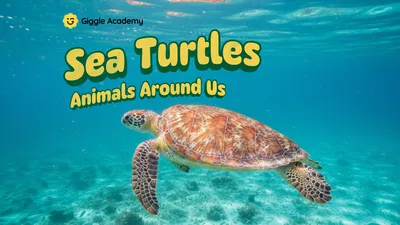
An introductory book about sea turtles, designed for early readers. It covers basic facts about their habitat, physical characteristics, and behaviors using simple language and high-frequency words.
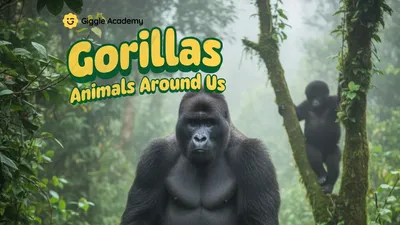
A simple and factual introduction to gorillas, exploring their habitat, physical characteristics, and behaviors through clear and concise language, suitable for young readers.
A factual, documentary-style picture book introducing young readers to the basic characteristics of flamingos, such as their habitat, physical features, diet, and social behavior.
A factual and clear picture book introducing young readers to chameleons, covering their physical characteristics, habitat, diet, and life cycle with strict scientific accuracy and no anthropomorphism.
© Copyright 2026 - Giggle Academy
上海吉咯教育科技有限公司
Copyright © 2026 - Giggle Academy