

Ants Underground
 Giggle Academy
An informative and realistic exploration of ants and their colonies, explaining their roles, behaviors, and importance in nature. The story uses straightforward language and scientific facts to engage young readers interested in insects and biology.
 6 - 10 years old
Ants are insects that live together in large colonies. They build nests underground, in wood, or under stones.
Each ant colony has different kinds of ants. The queen lays eggs, workers gather food, and soldiers defend the nest.
Worker ants are small but busy. They dig tunnels, carry food, and care for young ants.
Soldier ants are bigger and stronger. They protect the nest from intruders.
The queen ant is the largest. She can live for many years and lay thousands of eggs.
Ant nests have many chambers. Some hold eggs and larvae, others store food.
Ants communicate with chemicals called pheromones. They leave trails to guide other ants to food.
Leafcutter ants cut pieces of leaves. They carry them underground to grow fungus for food.
Army ants travel in huge swarms. They march across the ground, hunting insects and small animals.
Fire ants can sting. They defend their nests fiercely.
Some ants raise other insects. They protect aphids and drink the sweet liquid they produce.
Ants live almost everywhere on Earth. They are most common in warm forests and grasslands.
Ants are very strong for their size. A single ant can carry objects many times its own weight.
Ants play important roles in ecosystems. They spread seeds, recycle nutrients, and aerate soil.
Though small, ants are powerful builders and workers. They show the strength of cooperation in nature.
 Lions
Lions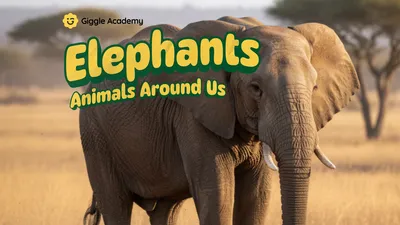 Elephants
 Bears
Bears Dogs
Dogs Cats
Cats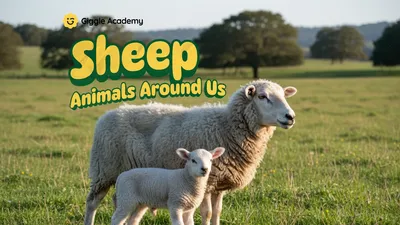 Sheep
Sheep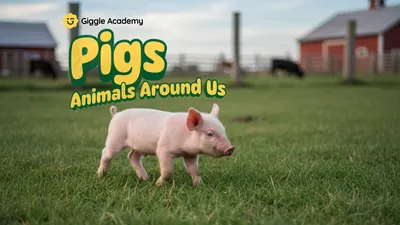 Pigs
Pigs Sharks
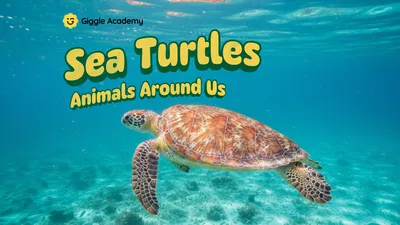 Sea Turtles
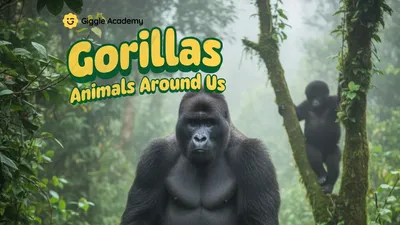 Gorillas
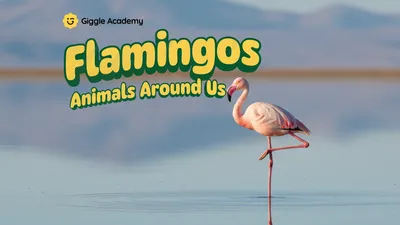 Flamingos
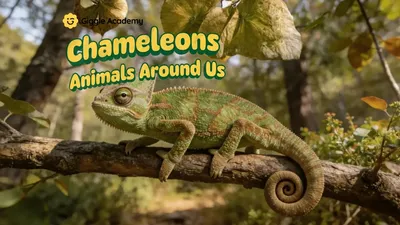 Chameleons
A simple, factual introduction to lions, describing their basic characteristics, habitat, and social behavior in a clear and concise manner. Part of the "Wild Animals Around Us" series.
A simple, factual book introducing young readers to elephants, focusing on their physical characteristics and behavior in a clear, concise manner, suitable for early vocabulary building.
A factual and clear nonfiction book that introduces young readers to bears, covering their physical characteristics, habitat, diet, and social groups. The book maintains a strictly scientific tone with no anthropomorphism.
A simple and factual picture book introducing young readers to dogs as pets, covering basic vocabulary and characteristics like fur, paws, food, water, and puppies. Designed in a documentary style with clear, calm language.
A simple, factual picture book that introduces young readers to cats as pets, covering basic characteristics and needs in a clear, documentary style.
This is a simple non-fiction book that introduces young readers to sheep. It covers where sheep live, what they eat, their physical characteristics like wool and legs, and the name for a baby sheep. The book also reinforces key vocabulary words.
This book introduces young children to pigs. It covers basic facts about where pigs live, what they look like, and some of their behaviors, like eating and enjoying mud. Simple vocabulary and repetitive sentence structures are used to help early readers build confidence.
An introductory book about sharks, detailing their physical characteristics like fins, tails, and teeth, and their habitat in the sea. It uses simple language to help young readers learn about these marine animals.
An introductory book about sea turtles, designed for early readers. It covers basic facts about their habitat, physical characteristics, and behaviors using simple language and high-frequency words.
A simple and factual introduction to gorillas, exploring their habitat, physical characteristics, and behaviors through clear and concise language, suitable for young readers.
A factual, documentary-style picture book introducing young readers to the basic characteristics of flamingos, such as their habitat, physical features, diet, and social behavior.
A factual and clear picture book introducing young readers to chameleons, covering their physical characteristics, habitat, diet, and life cycle with strict scientific accuracy and no anthropomorphism.
© Copyright 2026 - Giggle Academy
上海吉咯教育科技有限公司
Copyright © 2026 - Giggle Academy