

Milo Learns His ABCs

Milo the Monkey, who loves learning even more than bananas, discovers a magical book that teaches him the alphabet from A to Z. Join Milo as he joyfully learns his ABCs and shares the fun of learning with his friends.
 3 - 8 years old
 STEM Fundamentals
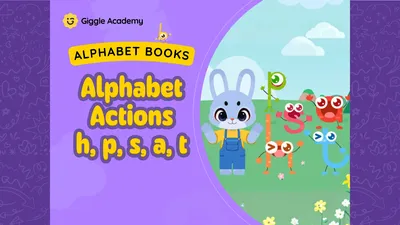 Alphabet Actions- h, p, s, a and t
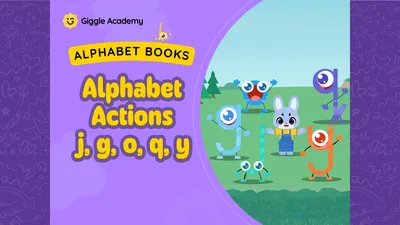 Alphabet Actions- j, g, o, q and y
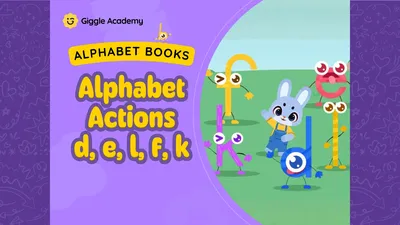 Alphabet Actions- d, e ,l, f and k
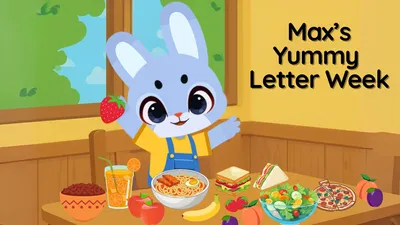 Max's Yummy Letter Week + Quiz
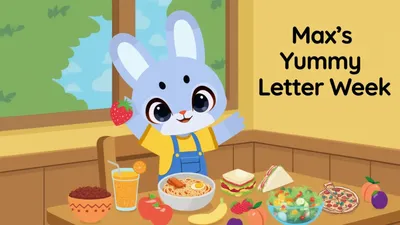 Max's Yummy Letter Week
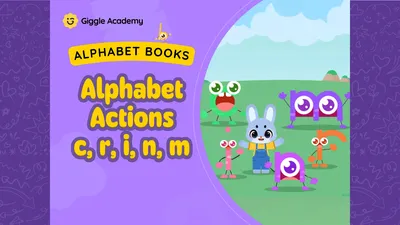 Alphabet Actions - c, r, i, n and m
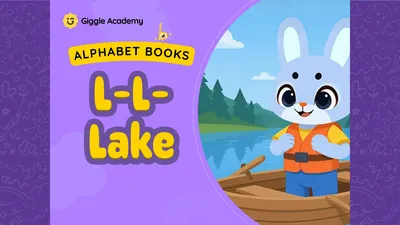 L - L - Lake
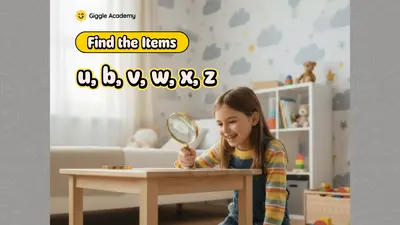 Find the Items (u, b, v, w, x, z)
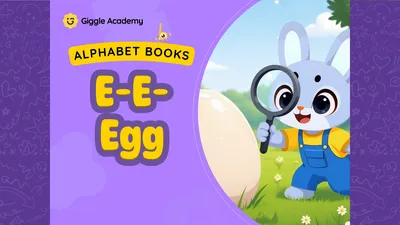 E - E - Egg
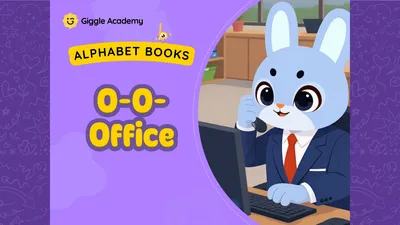 O - O - Office
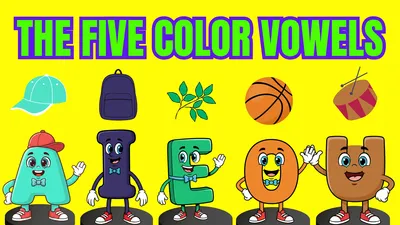 The Five Color Vowels
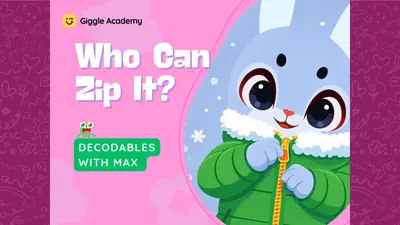 Who Can Zip It?
This playful book teaches early learners the letter sounds s, a, t, p, and h through fun actions and gestures. Each letter has its own simple movement—slither like a snake, pop bubbles, or eat an apple—to help children remember each sound with confidence.
An engaging and interactive story designed to help young children learn letter sounds through actions and relatable examples for letters g, o, j, y, and q.
This engaging phonics book supports children in learning the letter sounds d, e, l, k, and f by spotting each letter, copying an easy hand action, and saying the matching sound. With clear mouth-placement visuals and playful gesture cues, children strengthen letter–sound links through movement, speaking, and hands-on learning.
Join Max on a tasty adventure, where he only eats foods that begin and end with the same letter sound! As Max explores a new menu each day, children learn to identify beginning and ending sounds in words, building strong phonemic awareness through playful, letter-based meals.
Join Max on a tasty adventure, where he only eats foods that begin and end with the same letter sound! As Max explores a new menu each day, children learn to identify beginning and ending sounds in words, building strong phonemic awareness through playful, letter-based meals.
This interactive phonics book helps children learn the letter sounds m, r, i, n, and c by recognising each letter, copying a simple hand action, and making the matching sound. With clear mouth-placement pictures and fun gesture cues, children build confident letter–sound connections through movement, speech, and play.
This playful picture story follows Max on a lake adventure, giving young readers lots of chances to hear and say the /l/ sound. Through bright illustrations and a simple one-word-per-page format, children learn the letter L while exploring life on the lake with Max.
This is a simple, repetitive story designed for very young children to practice identifying common objects and asking 'Where is...?' questions.
This playful picture story follows Max as he finds a big egg and wonders what could be inside, giving young readers many chances to hear and say the short /ɛ/ sound. Through bright, colorful illustrations and a simple one-word-per-page storyline, children repeat the /ɛ/ sound while following Max’s exciting egg adventure.
This playful phonics story follows Max through a busy animal office, where he works alongside funny coworkers whose names all start with O—like ox, otter, and octopus. With one word per page and bright, amusing illustrations from their workday, children hear and repeat the short letter o sound /ɒ/, building strong sound–letter connections.
A vibrant and playful rhyming story that introduces young readers to the five vowels (A, E, I, O, U) through colorful characters and engaging actions. Each vowel is associated with a distinct color and a simple, repetitive sound, making it a perfect tool for early literacy and phonics learning.
This playful decodable book focuses on the -ip word family and simple sight words through a fun guessing game. As readers see the rabbit family waving together, they turn the pages to guess who will tip, sip, dip, or rip, using repeating sentence patterns to build confidence and early reading fluency.
© Copyright 2026 - Giggle Academy
上海吉咯教育科技有限公司
Copyright © 2026 - Giggle Academy