

Ben and the Speedy Swim Paddles
 NianNian Education
Discover the inventive spirit of young Benjamin Franklin as he tackles a swimming challenge with his friends by creating the first-ever swim paddles! This story blends historical inspiration with a fun, engaging narrative about problem-solving, teamwork, and the joy of invention.
 6 - 9 years old
Once upon a time, in the bustling seaport town of Boston where wooden ships creaked like old storytellers and the harbor sparkled like a treasure chest of waves, there lived a wide-eyed boy named Benjamin Franklin. Ben was just eleven years old, with a mop of chestnut hair that flopped like a puppy's ears and a mind fizzier than ginger beer.
He wasn't much for sitting still—oh no! Ben gobbled books like pancakes, tinkered with kites in the windy alleys, and dreamed of sailing across oceans. But his truest love? Swimming! Every summer, he'd dash to the Charles River, splashing with the neighborhood fish (that's what he called his pals), racing against the current like a daring pirate chasing gold doubloons. "Faster, legs! Stronger strokes!" he'd puff, but the water always won the race, leaving him bobbing like a cork.
One steamy July day in 1717, after a particularly splashy defeat—where speedy Silas the Sailor outswam him by a whole dock length—Ben flopped on the riverbank, chest heaving like a blacksmith's bellows. Mud squished between his toes, and dragonflies zipped overhead like tiny messengers.
"Why are my hands and feet so puny against the waves?" he grumbled to the sky. "Birds have wings to slice the air, fish have fins to zip the sea. What if I had paddles to push me along?" His brain lit up like a lantern at dusk. Eureka! (That's a fancy word for "I've got it!") Lesson one: Nature's full of clues—if you look close. Ben remembered watching ducks paddle with webbed feet, spreading wide to shove water behind them. Surface area matters! he thought. Bigger push means faster swim!
Ben rallied his ragtag crew of river rats: bookish Betty, who could quote poems while treading water; whittler Willie, the carpenter's son with a knife sharper than a fox's wit; and jolly Josie, the diver who fetched shiny pebbles from the bottom like a mermaid on a mission. They gathered under the willow tree, a shady thinking spot where roots twisted like secret codes. "Quest: Invent swim boosters!" Ben declared, sketching on birch bark with a charred stick—oval shapes like lily pads, strapped to hands for easy flapping.
"No bulky boots on feet; those'd sink me like a stone!" (He'd tried once, with wooden clogs—sploosh!—and ended up laughing from the mud.) Willie nodded. "Wood's light and strong—like the masts on Papa's ship." Off to Willie's shed they scampered, tools clattering like a pirate's treasure.
Step one: Carve the paddles! Ben chose soft pine, easy to shape, and traced ovals twice the size of his palms—about eight inches long, smooth as a spoon. Why oval? Josie asked, sanding edges with river-smoothed stones. "Pointy ends cut drag, like a ship's bow slicing waves," Ben explained, teaching physics fun: Drag is water's grumpy hug—minimize it for speed! They hollowed thumb holes for a snug fit, like gloves for superheroes. Straps? Leather thongs from an old boot, tied tight but twist-free.
Trial time in the shallows! Ben strapped on the first pair—clunky as corncobs. Splash! He stroked: Whoosh! Water parted like a curtain, propelling him yards ahead. "I'm a human frog!" he hollered, but—oops!—one paddle twisted, sending him spinning like a top. "Too loose—need balance!" Betty cheered, timing laps with a pocket watch.
They learned equilibrium: Even force on both sides, or you’d twirl like a leaf in a whirlwind. Giggle-snorts and soggy slips filled the afternoon. Willie's second carve was lopsided—left paddle bigger, turning Ben into a crooked arrow! "Symmetry saves the day!" Josie laughed, fetching lily pads as "natural models" for perfect curves. They tested tweaks: Thicker wood? Too heavy, like paddling pudding. Thinner? Snapped like a twig—crack!
"Strength in the grain," Willie noted, showing wood fibers under a magnifying glass (a birthday gift from Uncle). Through splashes and cheers, Ben discovered the magic: Paddles increased thrust by doubling hand surface, turning lazy strokes into powerful pumps. Newton's laws in action! (Though Ben didn't know the name yet—push equals go!)
By sunset, golden as a doubloon, the paddles gleamed: Lightweight, ergonomic wonders that let Ben lap Silas twice over. "From plodder to porpoise!" his crew whooped, high-fiving with wet hands.
Word of Ben's "swim wings" rippled through Boston like a stone skipped on pond. Neighbors tried 'em at picnics, giggling as they zoomed. Ben jotted notes in his journal: "Cut the water with speed and ease... a great advantage in swimming." Though he never patented (fancy protection papers weren't his jam yet), the idea swam into history books.
Ben grew up to zap lightning with kites and sign big-deal papers, but that boyish splash sparked a watery revolution.
Years flowed like river currents, and Ben's paddles evolved into flipper fame. In the 1900s, divers dreamed up foot versions—rubber fins long as bananas, bending with your kick for scuba quests to coral kingdoms. By the 1930s, they starred in underwater movies, teaching explorers about buoyancy (that's floating power—flippers add lift like wings!).
Today, in our zippy 2025 world, swim flippers are Olympic gold-medal gear: Carbon-fiber blades for speedy freestylers, neon snorkel sets for reef rambles, even eco-fins from recycled bottles (save the seas lesson!). Kids in swim classes strap 'em on, learning strokes with science smarts—thrust, drag, and dolphin kicks!
And so, dear splashers and swimmers, remember young Ben Franklin: A boy who paddled past "slow" to "soar," proving curiosity conquers currents. Strap on your dreams, test the tides, and whoosh—who knows? Your next stroke might propel the world forward!
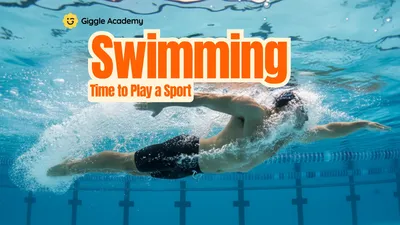 Swimming
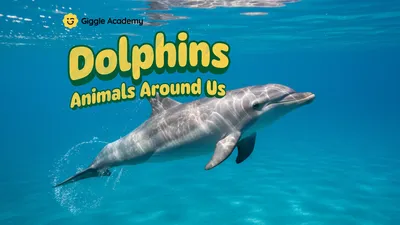 Dolphins
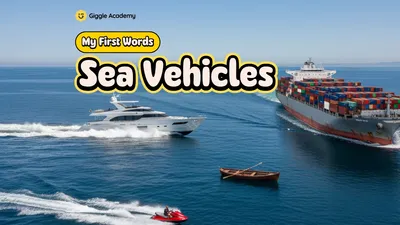 Sea Vehicles
 Max and the Green Go-kart + QuizMax and the Green Go-kart
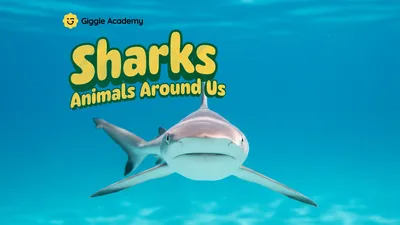 Sharks
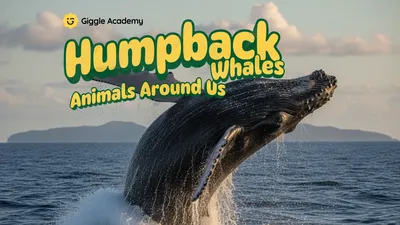 Humpback Whales
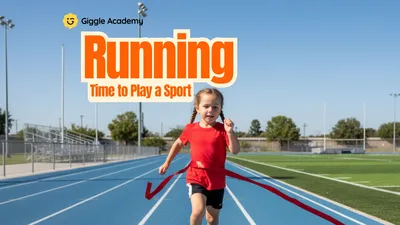 Running
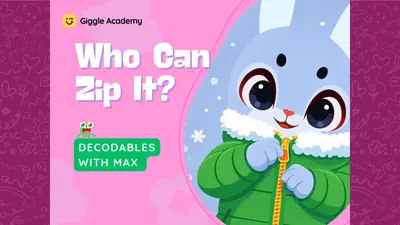 Who Can Zip It?
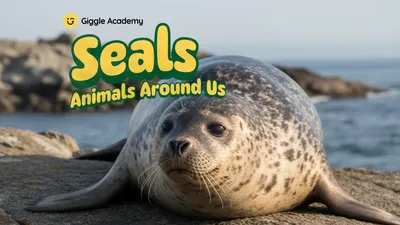 Seals
Seals Why Does Light Bend?
This is a simple, documentary-style picture book that introduces young readers to the sport of swimming. It covers basic concepts in an easy-to-understand format.
A simple non-fiction book that introduces young readers to dolphins, covering their habitat, physical characteristics, and behaviors in clear, concise language.
A simple and repetitive story introducing young children to different types of boats and their speeds, distinguishing between 'fast' and 'slow' vessels.
In this “g”-packed adventure, Max’s dad builds a green go-kart, and the three giggling rabbits zoom through a magical rabbit hole and onto a grand race track. Young readers will grow their phonics skills by hearing, spotting, and sounding out lots of playful words that begin with the /g/ sound.
In this “g”-packed adventure, Max’s dad builds a green go-kart, and the three giggling rabbits zoom through a magical rabbit hole and onto a grand race track. Young readers will grow their phonics skills by hearing, spotting, and sounding out lots of playful words that begin with the letter g.
An introductory book about sharks, detailing their physical characteristics like fins, tails, and teeth, and their habitat in the sea. It uses simple language to help young readers learn about these marine animals.
Discover the incredible world of humpback whales in this informative book for young readers. Learn about their habitat, physical characteristics like fins and tails, and how they live in the sea. Simple language and engaging facts make this an ideal introduction to marine life.
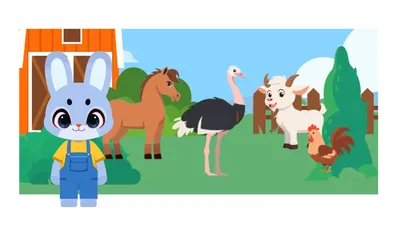
Max and his animal friends have a race around the farm. Who will win?
This is a simple, documentary-style picture book that introduces young readers to the sport of running. It covers basic concepts in an easy-to-understand format.
This playful decodable book focuses on the -ip word family and simple sight words through a fun guessing game. As readers see the rabbit family waving together, they turn the pages to guess who will tip, sip, dip, or rip, using repeating sentence patterns to build confidence and early reading fluency.
A simple, informative book introducing young readers to seals, their appearance, habitat, and basic behaviors. Part of the 'Animals in the Sea!' series, it focuses on common vocabulary and high-frequency words.
Light is like a magician! It zooms, bounces, and even bends. Join us on a bright adventure to discover the secrets of physics—from sunlight to lenses. This book is perfect for curious little scientists who love to ask 'Why?'
© Copyright 2026 - Giggle Academy
上海吉咯教育科技有限公司
Copyright © 2026 - Giggle Academy