

DURIAN
 Sluvk
SluvkExplore the fascinating world of the Durian, the 'King of Fruits,' from its thorny exterior and unique aroma to its ecological importance and cultural significance. Discover the science behind its powerful scent, its partnership with fruit bats, and why this calorie-dense fruit is both revered and sometimes banned.
 8 - 12 years old
In the deep, humid heart of the Southeast Asian rainforests, one fruit stands above all others, protected by a fortress of spikes and commanding attention with an aroma that can be smelled from miles away.
This is the Durian, scientifically known as Durio. Often referred to as "The King of Fruits," it is a biological powerhouse that represents the extremes of nature—combining a fierce exterior, a controversial scent, and a flavor so rich it has no equal.
The name "Durian" comes from the Malay word duri, which means "thorn." This is perfectly fitting, as the fruit is covered in a thick, hard husk armored with sharp, pyramidal spikes. This armor is a brilliant defense mechanism evolved to protect the precious seeds inside from being eaten too early by smaller animals.
Only the strongest creatures of the forest, like orangutans and elephants, have the power and patience to break through this "green iron" plating.
Biologically, the Durian tree is a giant of the jungle. These trees can reach heights of 40 to 50 meters, standing tall above the canopy. They are long-lived and produce fruit only after several years of growth.
Because the fruit is so heavy—sometimes weighing up to 3 kilograms—it grows on thick, sturdy branches that can support the massive weight. It is a plant that prioritizes strength and stability in every part of its structure.
The most famous—and controversial—trait of the Durian is its aroma. To some, it smells like sweet custard and almonds; to others, it is often compared to rotting onions or gym socks.
This intense smell is caused by a complex mixture of over 50 different chemical compounds, including many sulfur-based molecules. This scent is not a mistake; it is a highly evolved "broadcasting signal" designed to travel long distances through the thick jungle air to attract large mammals who will eat the fruit and disperse the seeds.
While the smell is strong, the pollination of the Durian is a quiet, nightly affair. Durian flowers are large, waxy, and bloom only at night, releasing a heavy, sour scent. They have partnered with a very specific group of friends: fruit bats.
These bats fly from tree to tree, drinking the abundant nectar and getting dusted with pollen. This relationship, known as chiropterophily, ensures that the King of Fruits can reproduce high above the ground where insects rarely go.
When a Durian is finally ripe, it undergoes a dramatic harvest: it simply falls from the tree. Unlike most fruits that humans pick by hand, the Durian signals its readiness by letting gravity take over.
This makes walking through a Durian orchard during harvest season a dangerous activity! For the tree, this fall helps to crack the husk slightly upon impact, making it easier for forest animals to find the entry point to the creamy segments inside.
Inside the spiked fortress, the fruit is divided into several compartments containing large seeds wrapped in a thick, buttery pulp called the aril. The texture is unique in the botanical world—custard-like, smooth, and incredibly fatty.
It is one of the most calorie-dense fruits on Earth, packed with healthy fats, vitamins, and minerals. This high-energy content is what makes it so attractive to the large animals of the rainforest, who need the calories to survive.
Scientifically, the Durian is a "nutrient warehouse." It contains high levels of potassium, fiber, and iron. It also has a unique ability to warm the human body from the inside. In traditional Asian medicine, it is considered a "heathy" or "warming" food.
This internal heat is a result of the fruit’s complex sugars and fats being processed by the body, providing a quick and powerful burst of energy to whoever eats it.
Despite its royal status, the Durian is famous for being banned in many hotels, airplanes, and public transportation systems across Asia. Because its scent is so persistent and can linger for days, it is often treated like a "chemical weapon."
This has created a unique social culture around the fruit, where "Durian parties" are held outdoors, bringing communities together to share the intense experience of eating the King under the open sky.
In Vietnam, the name for Durian is Sầu Riêng, which literally translates to "private sadness" or "one's own sorrows." This poetic name comes from a legendary folk tale about a tragic love story between a local man and a woman from a distant land.
While the fruit itself is a symbol of power and abundance, its name reminds us of the deep emotional connections and history that humans have shared with the plants in their backyard for centuries.
The seeds of the Durian are also remarkable. While we usually only eat the pulp, the seeds are large and starchy. In many cultures, these seeds are not wasted; they are boiled or roasted to be eaten like nuts.
This reflects the "zero-waste" design of the fruit, where almost every part provides some form of sustenance or protection, ensuring that nothing goes to waste in the competitive environment of the tropical forest.
The story of the Durian is a narrative of intensity and character. It teaches us that you shouldn't judge something only by its outward appearance or its first impression.
The King of Fruits proves that behind the sharpest thorns and the strangest smells, there can be a heart of gold—rich, nourishing, and completely unforgettable. It stands as a reminder that nature is bold, and sometimes, the best rewards require a bit of courage to discover.
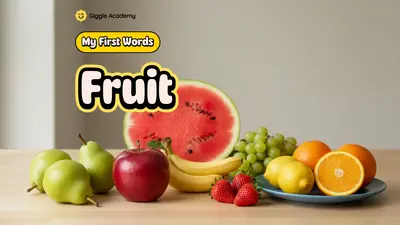 Fruit
Fruit D - D - Dog
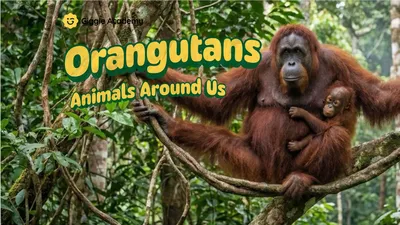 Orangutans
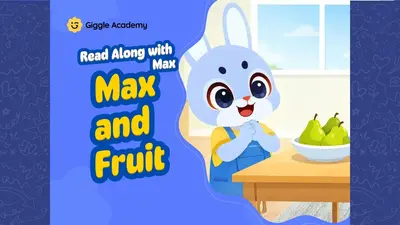 Max and Fruit
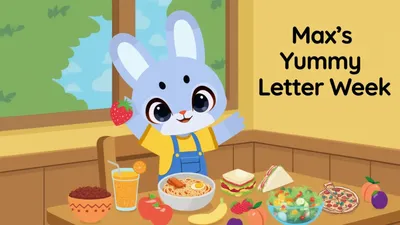 Max's Yummy Letter Week
 Where is the Hat?
 I Don't Like It
 Let’s Clap the Word! (Food)
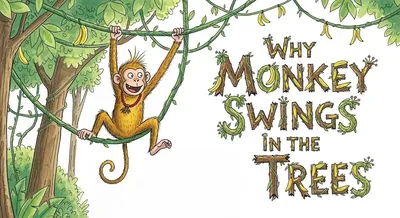 Why Monkey Swings in the Trees
 O - O - Office
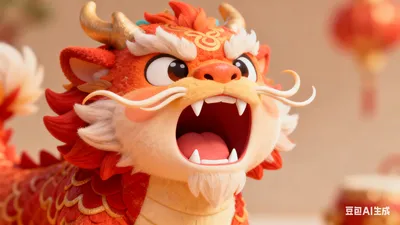 The Nian Beast
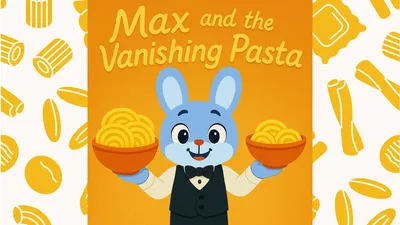 Max and the Vanishing Pasta
A simple and direct early reader designed to introduce young children to common fruits. Each page features a clear illustration of a single fruit, helping children identify and name them. Perfect for building early vocabulary.
This playful picture book follows Max as he does things with his dog in the park, telling the story through bright illustrations and one d-word on each page. As children watch Max and his dog, they hear, see, and say the /d/ sound again and again, helping them learn the letter D and its sound in a fun, meaningful way.
This is a factual and straightforward non-fiction book that introduces young readers to orangutans, covering their habitat, physical characteristics, diet, and social behavior in a calm and accurate tone.
Join Max, a friendly bunny, as he explores different fruits! This simple, repetitive story uses a Q&A format to introduce fruit vocabulary and practice common phrases like "Do you like...?" and "Yes, I like..." or "No, I do not like...". Perfect for early learners.
Join Max on a tasty adventure, where he only eats foods that begin and end with the same letter sound! As Max explores a new menu each day, children learn to identify beginning and ending sounds in words, building strong phonemic awareness through playful, letter-based meals.
A simple and repetitive story perfect for early readers, introducing basic vocabulary and concepts of location with a hat, a cap, and a bat.
A very simple story perfect for young children, exploring preferences with a repetitive structure.
This playful story introduces young children to various foods and their characteristics, while incorporating a fun clapping activity to help with phonological awareness.
A playful and imaginative story explaining why Monkey swings in the trees, filled with lively animal characters and fun antics. The tale uses simple language and repetition to engage young readers, emphasizing fun, mischief, and problem-solving among forest friends.
This playful phonics story follows Max through a busy animal office, where he works alongside funny coworkers whose names all start with O—like ox, otter, and octopus. With one word per page and bright, amusing illustrations from their workday, children hear and repeat the short letter o sound /ɒ/, building strong sound–letter connections.
The Nian Beast On New Year's Eve, when the sky is dark, The Nian Beast quietly emerges. With round eyes and pointed ears, It opens its mouth and roars. Everyone sets off firecrackers together, The Nian Beast hears them and jumps in fright. The Nian Beast flees, and we laugh, Good fortune for the New Year arrives for all.
When Max discovers that heavy bowls of pasta are getting lighter, it leads him on a noodle-filled adventure to solve the mystery of the vanishing pasta.
© Copyright 2026 - Giggle Academy
上海吉咯教育科技有限公司
Copyright © 2026 - Giggle Academy