

Jackfruit: The Giant Fruit
 Sluvk
SluvkDiscover the incredible story of the Jackfruit, the world's largest tree-borne fruit. Learn about its colossal size, unique defenses, sticky sap, delicious golden arils, and its role as a 'zero-waste' hero and 'vegan miracle'. This informative narrative explores the Jackfruit's scientific marvels, cultural significance, and environmental benefits, highlighting its generosity and strength.
 8 - 12 years old
In the lush, sun-drenched gardens of Southeast Asia and India, a true heavyweight champion hangs from the trees. This is the Jackfruit—scientifically known as Artocarpus heterophyllus. While most fruits are content being small enough to fit in your hand, the Jackfruit has much bigger ambitions. It is a botanical giant, a "living treasure chest" of food that has supported human civilizations for thousands of years.
The Jackfruit’s most famous claim to fame is its colossal size. It holds the world record for being the largest fruit that grows on a tree. A single Jackfruit can grow up to 90 centimeters (35 inches) long and weigh as much as 55 kilograms (120 pounds)! Because it is so heavy, the tree has evolved a special way of carrying its "children." You won't find large Jackfruits on thin, leafy twigs; instead, they grow directly out of the main trunk or the thickest, strongest branches. This ensures the tree doesn't snap under the weight of its own harvest.
The exterior of the Jackfruit is a masterpiece of defensive engineering. It is covered in thousands of tiny, blunt green spikes. While they aren't as sharp as a Durian’s thorns, they form a tough, leathery shield that protects the interior from hungry animals. This skin is also waterproof and very thick, allowing the fruit to ripen slowly in the humid tropical heat without rotting.
One of the Jackfruit's most surprising scientific secrets is its latex. If you cut into the green skin or the central core, a thick, white, incredibly sticky sap begins to ooze out. This latex is a form of chemical warfare against pests. It acts like a super-glue that can gum up the mouthparts of insects or small animals that try to bite into the fruit. For humans, it means we often have to rub our hands with cooking oil before "dissecting" the fruit to keep our fingers from sticking together!
Opening a ripe Jackfruit is like discovering a hidden city. Inside, the fruit is organized into hundreds of individual golden bulbs (called arils). These bulbs are the part we eat. They aren't just sweet; they have a firm, slightly rubbery texture that is unique in the fruit world. The flavor is a tropical explosion—a combination of pineapple, mango, banana, and a hint of honey. Legend has it that the Jackfruit’s flavor was the original inspiration for the world-famous "Juicy Fruit" chewing gum!
The Jackfruit is also a "zero-waste" hero. Tucked inside each golden bulb is a large, brown seed. While many people throw seeds away, Jackfruit seeds are actually delicious and nutritious. When boiled or roasted, they taste almost exactly like chestnuts or creamy potatoes. In many cultures, these seeds are saved and used in stews or ground into flour, ensuring that every part of the giant fruit provides energy.
Scientifically, the Jackfruit tree is a member of the Moraceae (Mulberry) family, making it a distant cousin to the tiny mulberry and the common fig. However, unlike its cousins, the Jackfruit is a composite fruit. This means that a single Jackfruit is actually made of hundreds or even thousands of individual flowers that have all fused together to form one giant structure. Every golden bulb you eat was once a separate tiny flower on the tree’s trunk.
In the world of modern nutrition, the Jackfruit has become a global superstar known as a "vegan miracle." When the fruit is young and green (unripe), its texture is remarkably similar to shredded meat. Because it is high in fiber and absorbs flavors easily, "young jackfruit" is used around the world to make plant-based versions of pulled pork and tacos. This allows the fruit to feed people not just as a dessert, but as a hearty, savory meal.
The Jackfruit tree itself is a symbol of resilience. It is a fast-growing evergreen that can produce up to 200 fruits per year once it reaches maturity. It is incredibly hardy, able to withstand high temperatures and even moderate droughts. Because it provides so much food—from the sweet fruit to the starchy seeds and even the savory "meat"—it is often called the "Poor Man's Fruit," a title that honors its role in preventing hunger during difficult times.
The wood of the Jackfruit tree is also a prized material. It has a beautiful vibrant yellow color that darkens into a rich mahogany over time. In countries like Vietnam and Thailand, the wood is used to build traditional musical instruments and furniture, and even to create the beautiful yellow-orange dye used for the robes of Buddhist monks. The tree is truly a "life-giver," providing food, music, and shelter.
From an ecological perspective, Jackfruit trees are vital for the environment. They provide deep shade and help maintain soil moisture in tropical farms. Their fallen leaves act as a natural mulch, returning nutrients to the earth. Because a single tree can produce thousands of pounds of food over its 100-year lifespan, planting a Jackfruit tree is seen as a way of taking care of the planet and future generations at the same time.
The story of the Jackfruit is a narrative of generosity and strength. It teaches us that true greatness isn't just about being the biggest; it’s about providing the most value to everyone around you. It stands as a reminder that nature can create a "giant" that is kind, nourishing, and helpful in every possible way, from its thorny skin to its golden heart.
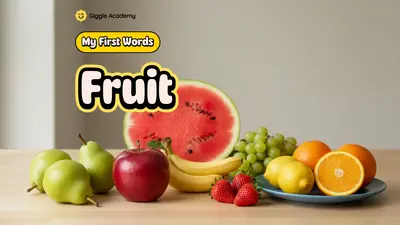 Fruit
Fruit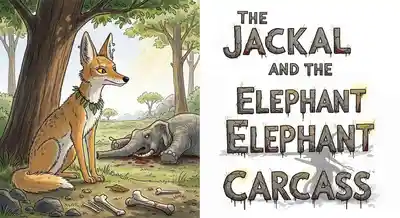 The Jackal and the Elephant Carcass
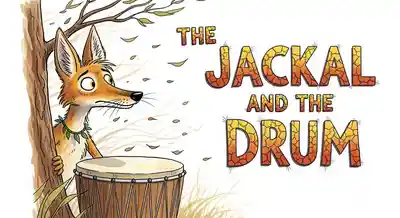 The Jackal and the Drum
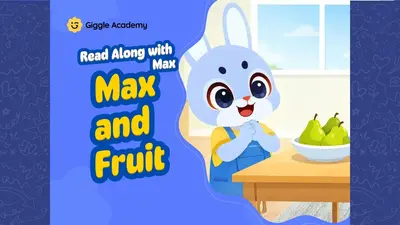 Max and Fruit
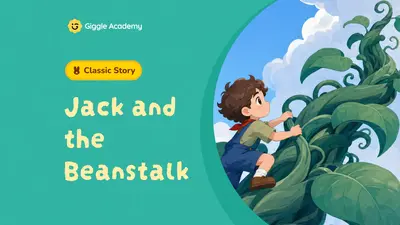 Jack and the Beanstalk
 Elephants
 Giraffes
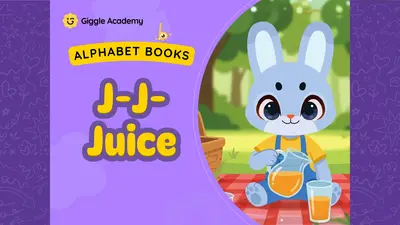 J - J - Juice
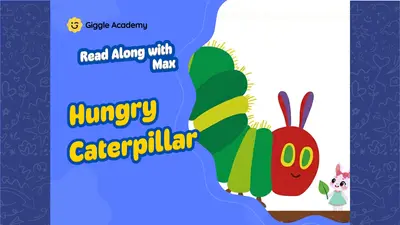 Hungry Caterpillar
 Max and the Vanishing Pasta
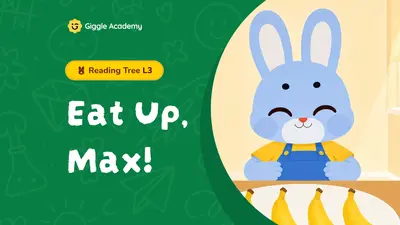 Eat Up, Max!
 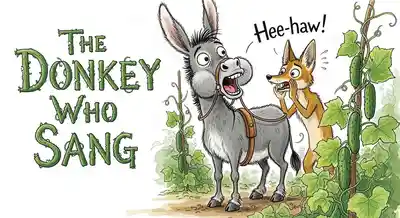 The Donkey Who Sang
A simple and direct early reader designed to introduce young children to common fruits. Each page features a clear illustration of a single fruit, helping children identify and name them. Perfect for building early vocabulary.
A heartwarming fable about friendship and greed, where two jackals find a dead elephant and share its meat, but greed leads to loneliness. The story teaches young readers the value of sharing and companionship through simple, engaging storytelling.
A gentle and engaging story about a jackal exploring a dry, windy forest on a hot day. Through simple, rhythmic language and playful repetition, the story encourages curiosity and teaches children that not all scary sounds are dangerous—some can lead to delightful surprises.
Join Max, a friendly bunny, as he explores different fruits! This simple, repetitive story uses a Q&A format to introduce fruit vocabulary and practice common phrases like "Do you like...?" and "Yes, I like..." or "No, I do not like...". Perfect for early learners.
This is a classic tale of Jack, a poor boy who trades his family's cow for magic beans. The beans grow into a giant beanstalk, leading Jack to a land above the clouds where he encounters a giant, a hen that lays golden eggs, and a magical harp, ultimately bringing wealth and happiness to his family.
A simple, factual book introducing young readers to elephants, focusing on their physical characteristics and behavior in a clear, concise manner, suitable for early vocabulary building.
A simple, factual picture book introducing young readers to giraffes, describing their physical characteristics, habitat, diet, and social behavior.
A playful story that introduces young children to the letter 'J' through simple words and actions like 'jug,' 'jelly,' and 'jump.'
A hungry caterpillar eats its way through various fruits, grows big, and then transforms into a beautiful butterfly. This simple story introduces numbers and fruits.
When Max discovers that heavy bowls of pasta are getting lighter, it leads him on a noodle-filled adventure to solve the mystery of the vanishing pasta.
A simple story about Max's joy as he eats various colorful foods, perfect for very young children learning about counting and different edibles.
A simple and charming fable about a donkey who sneaks off to eat cucumbers and the consequences of being too loud while enjoying the treat. The story uses playful language and sound effects to engage young readers, teaching a gentle lesson about joy and discretion.
© Copyright 2026 - Giggle Academy
上海吉咯教育科技有限公司
Copyright © 2026 - Giggle Academy