

LYCHEE
 Sluvk
SluvkDiscover the enchanting world of the lychee, from its crimson clusters in sunny gardens to its historical significance as a symbol of luxury and romance. Explore its unique biological features, delve into its storied past, and learn about its nutritional benefits and the scientific warning associated with its consumption. This story celebrates the fleeting beauty and special place of the lychee in nature and culture.
 8 - 12 years old
In the sun-drenched gardens of Southern China and Northern Vietnam, a fruit hangs in heavy, crimson clusters that look like oversized rubies dangling from the trees. This is the Lychee—scientifically known as Litchi chinensis. Often called the "Rose of the Fruit World" because of its intoxicating floral scent, the lychee is a delicate treasure that has been a symbol of luxury, romance, and the arrival of summer for over two thousand years.
The most distinctive feature of the lychee is its leathery, bumpy skin (the exocarp). While it looks tough and perhaps a bit prickly, this red armor is surprisingly thin and brittle. It serves as a protective "wrapper" designed by nature to seal in the incredible moisture of the fruit. In many Asian cultures, the rough texture is compared to the scales of a dragon, which is why the lychee is often associated with power and good fortune.
When you "unzip" or peel away the red shell, you are rewarded with a startling contrast: a translucent, pearl-white flesh. This part of the fruit is actually an aril—a fleshy covering that grows around the seed. It is incredibly juicy, with a texture that is firm yet smooth, similar to a grape but much more fragrant. The flavor is a sophisticated blend of sweetness with a hint of tartness and a strong floral note that reminds many people of fresh roses.
Biologically, the lychee is a member of the Sapindaceae (Soapberry) family. This makes it a close cousin to two other famous tropical fruits: the Rambutan (which has "hair") and the Longan (which is smaller and brown). These three fruits are often called the "Three Brothers of the East." While they all have similar white flesh and a single dark seed, the lychee is widely considered the most fragrant and elegant of the trio.
The "eye" of the fruit is its single, dark brown seed. This seed is smooth, glossy, and oval-shaped. In its cousin, the Longan, the seed is so dark and centered that the fruit is called the "Dragon Eye." In the lychee, the seed is often larger, but in some high-quality varieties, farmers have bred a trait called "chicken tongue" seeds—where the seed is tiny and shriveled, leaving more room for the delicious white flesh.
The lychee carries a legendary history of romance and speed. One of the most famous stories involves Emperor Xuanzong of the Tang Dynasty and his favorite consort, Yang Guifei. She loved lychees so much that the Emperor established a "pony express" of fast horses to carry fresh lychees thousands of miles from the south to the northern capital, just so she could enjoy them while they were still red and sweet. To this day, one famous variety of lychee is named "The Consort’s Smile."
Scientifically, the lychee tree is an evergreen that loves humidity. It can grow up to 10 to 20 meters tall and has beautiful, shiny green leaves that stay on the tree all year. The tree produces thousands of tiny, yellowish-green flowers that have no petals. Instead of bright colors, these flowers use a very sweet nectar to attract honeybees, who are the lychee's most important partners in creating fruit.
However, the lychee holds a very important scientific warning. It contains a natural compound called MCPG (methylenecyclopropylglycine). This chemical can interfere with the body's ability to produce sugar. Scientists discovered that children should never eat large amounts of lychees on an empty stomach, as it can cause blood sugar levels to drop too low. It is a reminder from nature that even the sweetest gifts should be enjoyed with a full meal and in moderation!
One of the lychee’s greatest challenges is its perishability. Once a lychee is picked from the tree, its red skin begins to turn brown within just a few days. This happens because the skin is full of tiny pores that allow moisture to escape quickly. To keep them fresh, they must be kept cool and humid. This "short life" is part of what makes the lychee season so special—it is a fleeting gift of summer that must be enjoyed immediately.
From a nutritional standpoint, the lychee is a "Vitamin C bomb." A small serving of seven to nine fruits can provide a person’s entire daily requirement of Vitamin C. It is also rich in polyphenols, which are antioxidants that help protect the body’s cells from damage. In traditional medicine, lychees are believed to improve blood circulation and boost the spirit, making them a favorite for health and vitality.
The way lychees are harvested is an art of timing. They do not continue to ripen once they are picked. If they are picked too early, they are sour; if too late, they lose their fragrance. Farmers must wait for the exact moment when the bumps on the skin flatten out slightly and the red color is at its most vibrant. In Vietnam, regions like Luc Ngan and Thanh Ha are world-famous for producing the sweetest, most perfect lychees on Earth.
The story of the lychee is a narrative of fragility and fleeting beauty. It teaches us to appreciate the seasons and the special moments that don't last forever. It stands as a reminder that the most exquisite treasures are often protected by a humble, bumpy shell, waiting for those who know the secret to peeling it away and discovering the "pearl" inside.
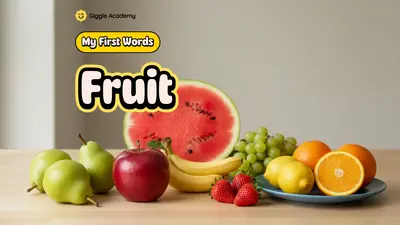 Fruit
Fruit L - L - Learn
 Max Wants to Be a Chef
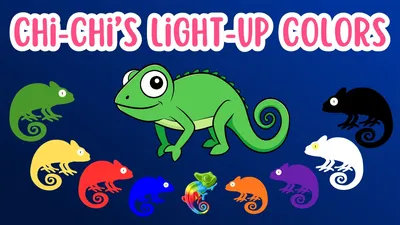 Chi-Chi’s Light-Up Colors
 The Stardust Traveler's Earthly Lights
 Y- Y- Yes
 Light is Here!
 I Did Things Today! (-it Words)
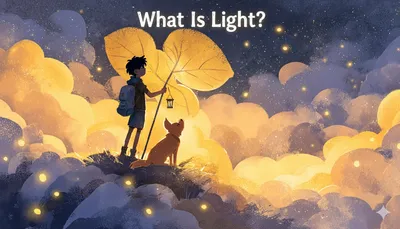 What Is Light?
 I See Food
 Lucy's Hoppy-Happy Tale
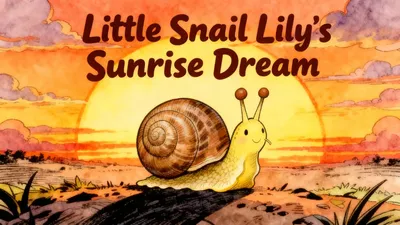 Little Snail Lily's Sunrise Dream
A simple and direct early reader designed to introduce young children to common fruits. Each page features a clear illustration of a single fruit, helping children identify and name them. Perfect for building early vocabulary.
A simple and repetitive story focusing on words that start with the /l/ sound. Perfect for young children learning their alphabet and phonics.
Max wants to be a chef, and with his friend Lily, he attempts to bake a cake. Their cooking adventure quickly turns into a messy and humorous escapade involving eggs, flour, honey, and even some unexpected bee visitors, ultimately leading to a small, funny, and yummy cake.
Join Chi-Chi the chameleon on a colorful adventure as she changes to match everything she sees, from a bright yellow sun to a pretty purple flower. This story is perfect for young readers learning about colors and self-acceptance, encouraging them to 'Be brave. Be bright. Be YOU!'
A lonely stardust traveler discovers Earth’s gentle lights — guiding, joyful, and warm — all lit by people for one another. He transforms into a guardian star, forever watching over this planet where kindness shines brightest in the dark.
This playful picture story follows Max as he relaxes on a yacht, happily eating his lunch, giving young readers lots of chances to hear and say the /y/ sound. Through the illustrations, children discover Max’s big y-surprise, making the /y/ sound fun, memorable, and easy to spot.
An early reader science picture book designed to build color vocabulary, observation skills, and reading confidence — by exploring how light makes the colorful world visible through rhythm, repetition, and joyful discovery.
A simple and repetitive story perfect for early readers, describing everyday actions in short, easy-to-understand sentences.
Join Lio and his dog Mimo on a curious adventure to discover what light truly is. From sunrises and rainbows to fireflies and shadows, this story explores the science of light and how kindness can be a light we share with others.
A simple, declarative picture book introducing young children to common food items through clear, direct language and visual recognition. Perfect for early vocabulary building.
Lucy, a bunny who jumps too high, causes chaos in Carrot Valley. After many mishaps, she learns to control her special talent and becomes the forest's hero by helping others reach high places during a crisis.
Little snail Lily wants to see the sunrise on the mountain top, but she crawls slower than a falling leaf! Luckily, Sam the groundhog’s “tunnel express”, Max the monkey’s “tree slide” and Lucy the bird’s “branch plane” help her. Can she catch the sunrise and make her dream come true? This warm light-chasing trip—come and see!
© Copyright 2026 - Giggle Academy
上海吉咯教育科技有限公司
Copyright © 2026 - Giggle Academy