

Whales and Dolphins
 Giggle Academy
An informative and engaging exploration of whales and dolphins, detailing their biology, behavior, and ecological importance in the ocean. The story uses clear, accessible language suitable for young readers interested in marine life.
 6 - 10 iminyaka ubudala
Whales and dolphins are marine mammals. They breathe air, give birth to live young, and nurse their babies with milk.
The blue whale is the largest animal ever known. It can reach 30 meters in length and weigh over 150 tons.
Dolphins are much smaller. A bottlenose dolphin grows about 3 meters long and weighs around 300 kilograms.
Whales and dolphins belong to a group called cetaceans. They are divided into baleen whales and toothed whales.
Baleen whales, like the humpback, have baleen plates instead of teeth. They filter tiny shrimp-like animals called krill from seawater.
Toothed whales, including dolphins and orcas, use sharp teeth to catch fish, squid, and other prey.
All whales and dolphins must breathe at the surface. They use a blowhole on top of their heads to take in air.
Some species can dive for over an hour. The sperm whale can reach depths of more than 1,000 meters.
Many whales migrate thousands of kilometers each year. They travel between warm breeding grounds and cold feeding areas.
Dolphins are known for their intelligence. They can use tools, solve problems, and work together to hunt.
Whales and dolphins communicate with sounds. Humpback whales sing long, complex songs that can last for hours.
Orcas are powerful hunters. They are top predators and can even take down large whales.
Whales and dolphins play an important role in the ocean. They help move nutrients through the water and support healthy ecosystems.
Many species are threatened by pollution, ship strikes, and hunting. Some populations are now endangered.
Protecting whales and dolphins helps protect the ocean. They are vital, intelligent, and extraordinary marine mammals.
 Lions
Lions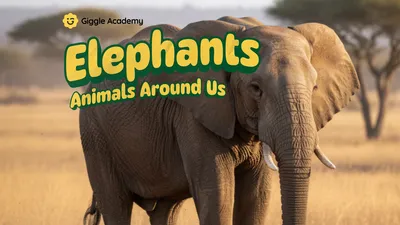 Elephants
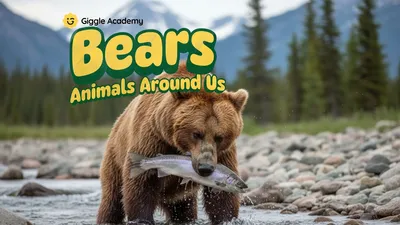 Bears
Bears Dogs
Dogs Cats
Cats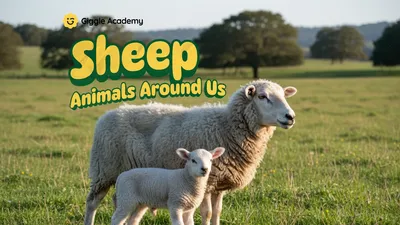 Sheep
Sheep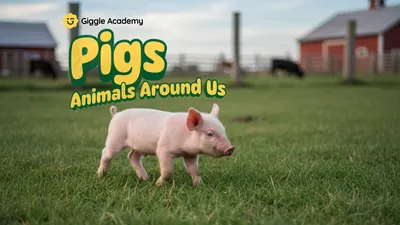 Pigs
Pigs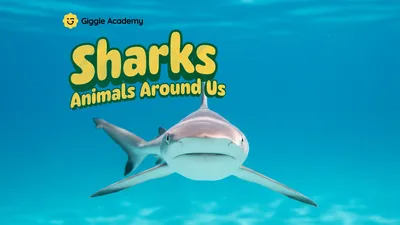 Sharks
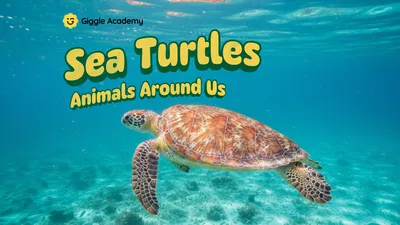 Sea Turtles
 Gorillas
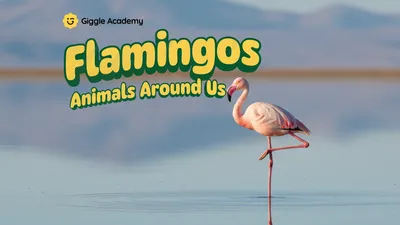 Flamingos
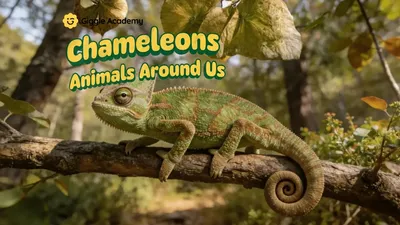 Chameleons
A simple, factual introduction to lions, describing their basic characteristics, habitat, and social behavior in a clear and concise manner. Part of the "Wild Animals Around Us" series.
A simple, factual book introducing young readers to elephants, focusing on their physical characteristics and behavior in a clear, concise manner, suitable for early vocabulary building.
A factual and clear nonfiction book that introduces young readers to bears, covering their physical characteristics, habitat, diet, and social groups. The book maintains a strictly scientific tone with no anthropomorphism.
A simple and factual picture book introducing young readers to dogs as pets, covering basic vocabulary and characteristics like fur, paws, food, water, and puppies. Designed in a documentary style with clear, calm language.
A simple, factual picture book that introduces young readers to cats as pets, covering basic characteristics and needs in a clear, documentary style.
This is a simple non-fiction book that introduces young readers to sheep. It covers where sheep live, what they eat, their physical characteristics like wool and legs, and the name for a baby sheep. The book also reinforces key vocabulary words.
This book introduces young children to pigs. It covers basic facts about where pigs live, what they look like, and some of their behaviors, like eating and enjoying mud. Simple vocabulary and repetitive sentence structures are used to help early readers build confidence.
An introductory book about sharks, detailing their physical characteristics like fins, tails, and teeth, and their habitat in the sea. It uses simple language to help young readers learn about these marine animals.
An introductory book about sea turtles, designed for early readers. It covers basic facts about their habitat, physical characteristics, and behaviors using simple language and high-frequency words.
A simple and factual introduction to gorillas, exploring their habitat, physical characteristics, and behaviors through clear and concise language, suitable for young readers.
A factual, documentary-style picture book introducing young readers to the basic characteristics of flamingos, such as their habitat, physical features, diet, and social behavior.
A factual and clear picture book introducing young readers to chameleons, covering their physical characteristics, habitat, diet, and life cycle with strict scientific accuracy and no anthropomorphism.
© Copyright 2024 - i-Giggle Academy
上海吉咯教育科技有限公司
Copyright © 2026 - Giggle Academy