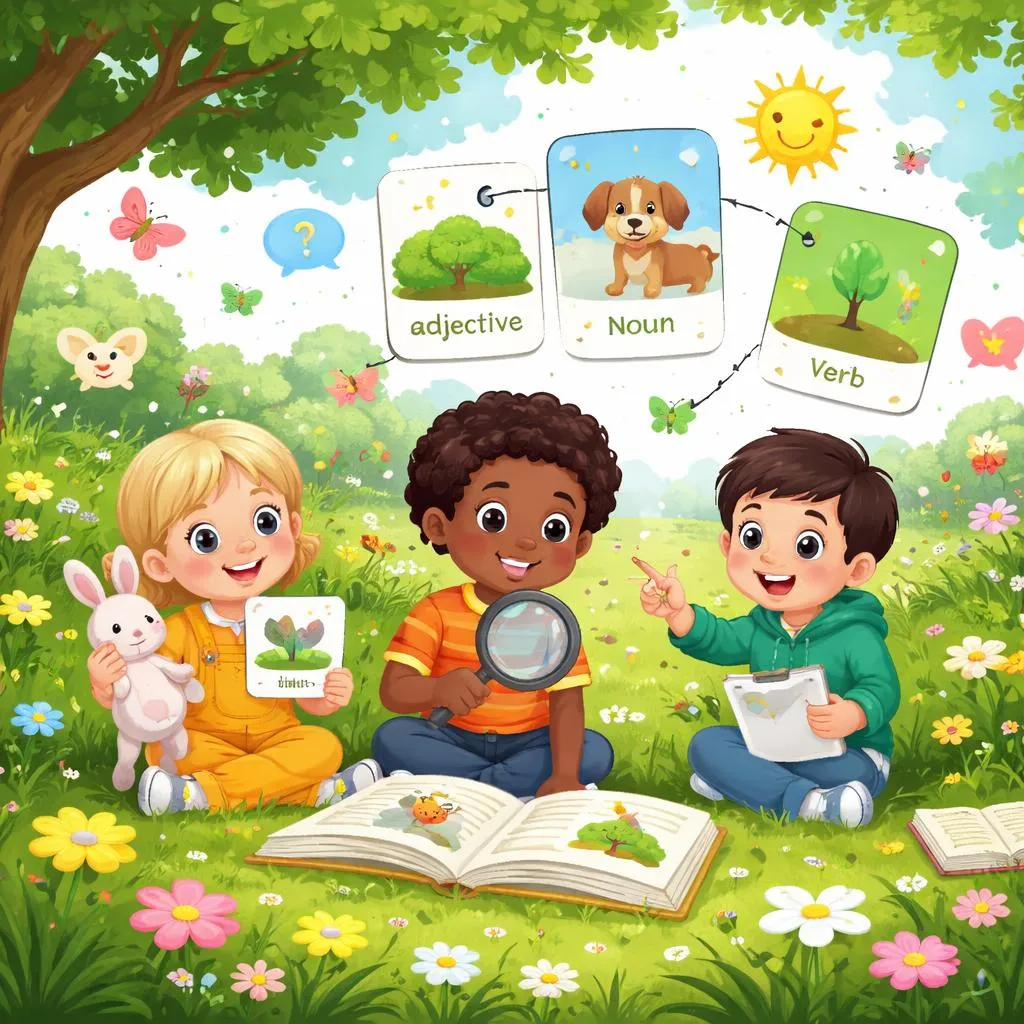

Hello, everyone! Today we look at a very special phrase. It is simple. It is beautiful. It teaches us so much about English. The phrase is "green grass grew".
These three words together are powerful. They have color. They have nature. They have action. They show us how English works. They help us understand verbs, tenses, and sentence patterns.
As a teacher, I love using phrases like this. They are short. They are easy to remember. But they contain many lessons. Let us explore the phrase "green grass grew" together. We will learn grammar. We will practice sounds. We will have fun with words.
Meaning of "Green Grass Grew" First, let us understand what these words mean separately. Then we can see them together.
Green is a color. It is the color of leaves. It is the color of many plants. When we say something is green, we describe how it looks. The grass is green. The tree is green. My shirt is green.
Grass is a plant. It grows in fields. It grows in gardens. It covers the ground. We walk on grass. We play on grass. Animals eat grass. Grass is very common in nature.
Grew is an action word. It is the past tense of grow. Grow means to become bigger. Plants grow. Animals grow. People grow. When something grows, it changes. It gets taller. It gets bigger. It gets stronger.
Now, let us put them together. "Green grass grew" means that at some time in the past, the grass became bigger. It was already green. It became taller. It became thicker. This is a simple statement about nature.
This phrase is also part of a famous song. Many children know it. The song says "And the green grass grew all around". But today we focus on the grammar. We focus on the words and how they work.
Conjugation of the Verb "Grow" The most important word in our phrase is "grew". It is a verb. Verbs change form. This is called conjugation. Let us look at how "grow" changes.
The base form is grow. We use this for present tense with I, you, we, and they. I grow tomatoes. You grow fast. We grow food. They grow every day.
For he, she, and it, we add an s. It becomes grows. He grows vegetables. She grows flowers. It grows quickly.
The past tense is grew. This is for things that already happened. I grew tall last year. The plant grew big. The grass grew green.
The past participle is grown. We use this with have or has. I have grown older. She has grown up. The grass has grown long.
This pattern is common in English. Many verbs change in similar ways. Know, knew, known. Blow, blew, blown. Throw, threw, thrown. When children learn one pattern, they can learn many words.
Present Tense with "Green Grass Grows" Now let us practice the present tense. We use present tense for things that are true now. Things that happen regularly. Things that are always true.
With our phrase, we say "green grass grows". This is a statement about now. Look outside. The grass is there. It is green. It is growing. We can say "The green grass grows in the field."
We can make longer sentences too. "Green grass grows after the rain." "Green grass grows in sunny places." "Green grass grows quickly in spring."
Notice the s at the end of grows. We add s because grass is it. Grass is one thing. It is singular. So we use grows, not grow. This is an important rule.
Children can practice this. They can look at grass outside. They can say "The grass grows." They can talk about other plants. "The flower grows." "The tree grows." This builds confidence with present tense verbs.
Past Tense with "Green Grass Grew" The past tense is our main focus today. "Green grass grew" tells us about the past. Something happened before now. The grass became bigger at an earlier time.
We use past tense for many reasons. To tell stories about yesterday. To talk about last week. To describe things that are finished. "Last month, the grass grew very tall." "After the rain stopped, the green grass grew."
Past tense verbs often end in ed. But grow is different. It is irregular. It does not follow the rule. Children must remember the special form. Grew, not growed. This takes practice.
We can help children remember. We can make sentences about their own lives. "You grew last year." "Your hair grew longer." "The plant we watered grew bigger." Using real examples makes the past tense real.
We can also compare present and past. "Now the grass grows. Yesterday it grew too." "Today I grow flowers. Last year I grew vegetables." This shows the difference clearly.
Future Tense with "Will Grow" Now let us look to the future. What will happen later? We use future tense for this. For our phrase, we say "green grass will grow".
The future is easy in English. We just add will before the verb. The verb does not change. It stays in base form. Will grow. Will see. Will eat. This is much simpler than past tense.
We can make many future sentences. "Tomorrow, more green grass will grow." "After the rain, the grass will grow." "In spring, green grass will grow everywhere."
Children can make predictions. They can look at a bare patch of ground. They can say "Soon, grass will grow here." They can talk about seeds they plant. "This seed will grow into a flower."
The future gives hope. It looks forward. It imagines what comes next. This is exciting for children. They can dream about the future. They can use language to express those dreams.
Questions About "Green Grass Grew" Asking questions is very important. Questions help us learn. Questions help us communicate. Let us see how to make questions with our phrase.
For past tense questions, we use did. Did the green grass grow? Notice we use grow, not grew. After did, the verb goes back to base form. This is a rule. Did you see? Did she eat? Did it grow?
We can ask many questions. "Did the green grass grow fast?" "Did the grass grow after the rain?" "Why did the green grass grow so tall?" "When did the grass grow?"
Children love questions. They love to answer about their world. "Did you see the grass grow?" "Yes, I saw it grow." "Did it grow yesterday?" "No, it grew last week."
We can also make questions with where, when, why. "Where did the green grass grow?" "In the park." "When did it grow?" "After the storm." "Why did it grow?" "Because of the sun and rain."
Questions make learning active. They turn listening into talking. They turn watching into participating.
Other Uses of These Words The words in our phrase appear in many places. They are useful for many topics. Let us explore some other uses.
Green is more than a color. We have green lights for go. We have green vegetables like lettuce. We have green meaning environmentally friendly. We have green meaning inexperienced. A new worker is called green.
Grass is more than a plant. We have grass in sports. Soccer is played on grass. We have grasshoppers that live in grass. We have grasslands like prairies and savannas. We even have grass in idioms. "The grass is always greener" means other places seem better.
Grew is the past of grow. We can grow many things. We grow food in gardens. We grow flowers for beauty. We grow as people. We grow in knowledge. We grow in height. We grow in strength.
Grow also has special uses. Hair grows. Nails grow. Cities grow. Companies grow. Friendships grow. Families grow. This word is everywhere in English.
Children can find these words in books. They can hear them in songs. They can use them in daily talk. Every time they use these words, they get better at English.
Learning Tips for Parents and Teachers How can we help children master this grammar? Here are some teaching tips.
Use Real Examples Look at real grass. Talk about it. Is it growing now? Did it grow yesterday? Will it grow tomorrow? Real things make grammar real.
Use Hand Motions For present tense, point to now. For past tense, point behind you. For future tense, point ahead. Body movements help memory. Children remember better when they move.
Use Pictures Show pictures of small grass. Then show pictures of tall grass. Talk about what happened. "The grass grew." Pictures tell the story without words. Children understand the concept first.
Use Songs Many songs use these words. Find songs about growing. Sing together. Music helps language stick in the brain. Children remember songs for years.
Be Patient Irregular verbs take time. Children will say "growed" at first. This is normal. They are learning the rule. Gently correct. Say "We say grew" and move on. Too much correction stops talking.
Practice Every Day A little practice each day works better than a long lesson once a week. Talk about growing things at breakfast. Talk at dinner. Make it part of daily life.
Educational Games for "Green Grass Grew" Games make learning fun. Here are some games to practice these words.
Game 1: Growing Game Children stand small like seeds. The teacher says "grow" and they grow taller. For present tense, they grow slowly. For past tense, they show they already grew. For future, they show they will grow. This connects words to bodies.
Game 2: Sentence Race Give children word cards. Green, grass, grew, will, did, the. See who can make sentences fastest. "The grass grew." "The green grass grew." "Did the grass grow?" Racing makes thinking quick.
Game 3: Story Chain Start a story. "Once upon a time, some grass grew." Next child adds a sentence. "It was green grass." Next child adds more. "It grew very tall." This builds storytelling and uses the words naturally.
Game 4: Question Time One child thinks of a sentence. "The grass grew yesterday." Others ask questions. "Where did it grow?" "Why did it grow?" "How tall did it grow?" This practices question forms.
Game 5: Drawing Game Children draw pictures. One picture shows grass now. One shows grass last week. One shows grass next month. They label each picture. "Grass grows now." "Grass grew last week." "Grass will grow next month."
Game 6: Memory Match Make cards with present tense on some and past tense on others. Grow matches with grew. See matches with saw. Eat matches with ate. Children find matching pairs. This teaches irregular verbs through play.
The phrase "green grass grew" is small but powerful. It opens the door to understanding English verbs. It shows how tense works. It provides a pattern for learning many other words.
Children learn best when lessons connect to real life. Grass is everywhere. Growing happens all around. Every day provides chances to use these words. Every walk outside is a grammar lesson.
So let us watch the grass. Let us talk about growing. Let us use present, past, and future. Let us ask questions and tell stories. The English language is beautiful. Teaching it through simple nature words makes it accessible to every child.
Remember, language learning takes time. Every child learns at their own pace. The goal is not perfection. The goal is communication. The goal is confidence. When children can say "the green grass grew" and be understood, they have succeeded.
Keep practicing. Keep playing. Keep growing in English together. The green grass grew yesterday. It grows today. And it will grow tomorrow. Just like our young learners.